
RAJASTHAN BEYOND THE ROYAL PALACES:Hidden Places, Food, Traditional Clothes & Culture
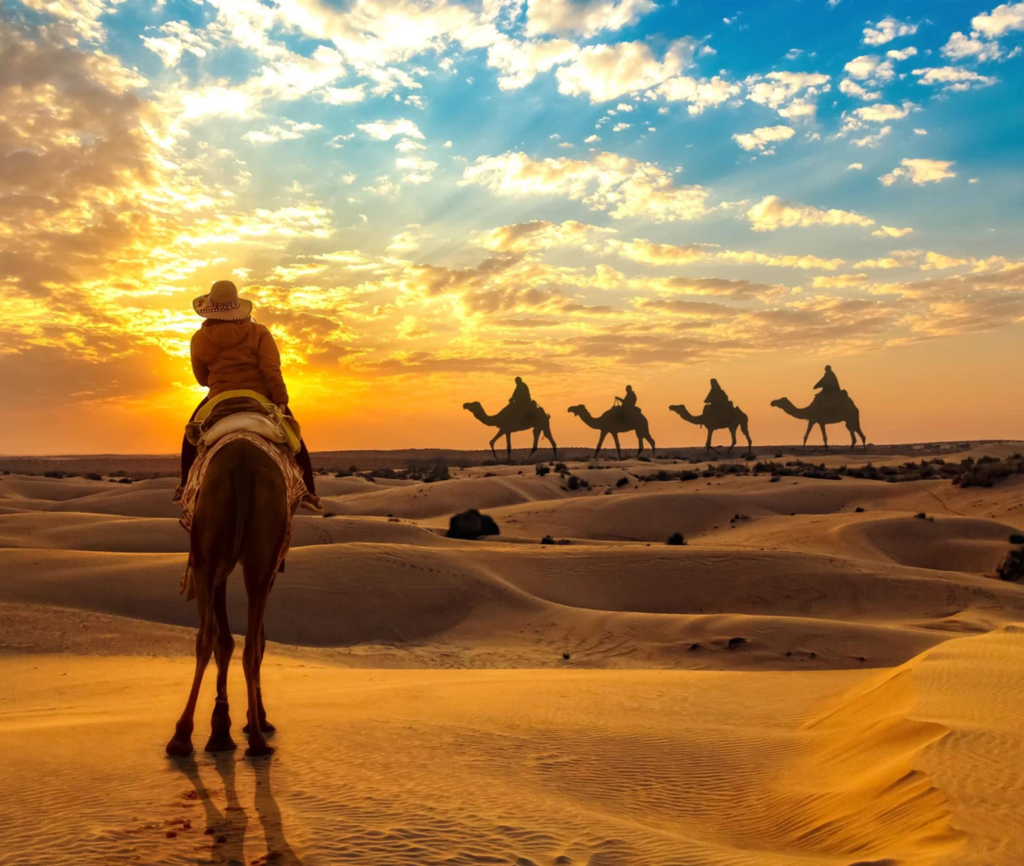
Rajasthan is a land of royal palaces, golden deserts, colourful traditions and centuries-old heritage. Beyond Jaipur, Udaipur and Jaisalmer, the state is filled with hidden villages, historic stepwells, lesser-known forts and authentic cultural experiences.
From enjoying traditional Rajasthani food to exploring local handicrafts and witnessing folk performances, every corner of Rajasthan tells a unique story. Let’s discover Rajasthan beyond the usual tourist trail.
HIDDEN PLACES IN RAJASTHAN THAT DEServe a Place on Your Itinerary
Explore historic towns, hidden architectural gems and beautiful landscapes.
BUNDI
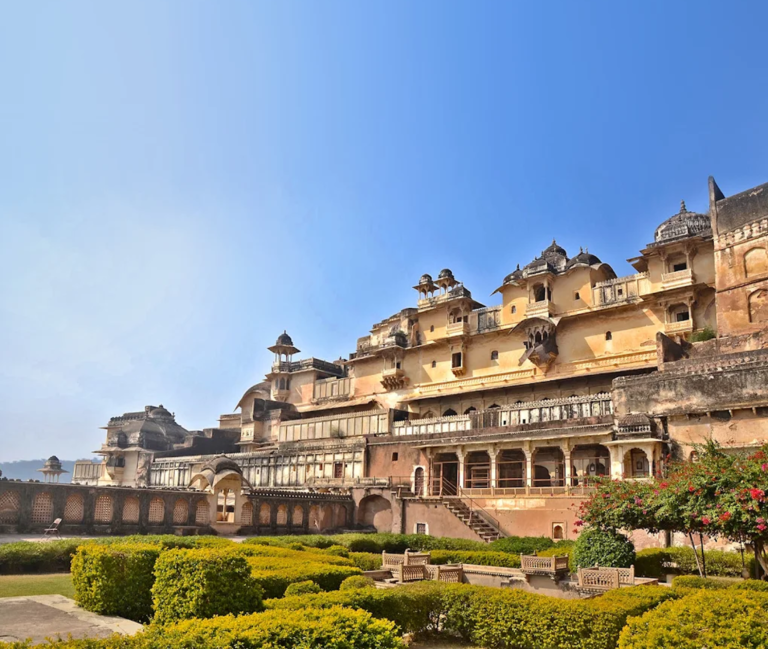
Known for its blue-painted houses, ancient stepwells and beautiful palaces, Bundi offers a quieter heritage experience. Explore Bundi Palace, Taragarh Fort and the town’s charming narrow streets.
Best for: Heritage walks, architecture and photography.
CHAND BAORI
This extraordinary stepwell features thousands of geometrically arranged steps. Built to help communities access and store water, it is an impressive example of traditional Indian architecture.
Best for: History, architecture and cultural photography.
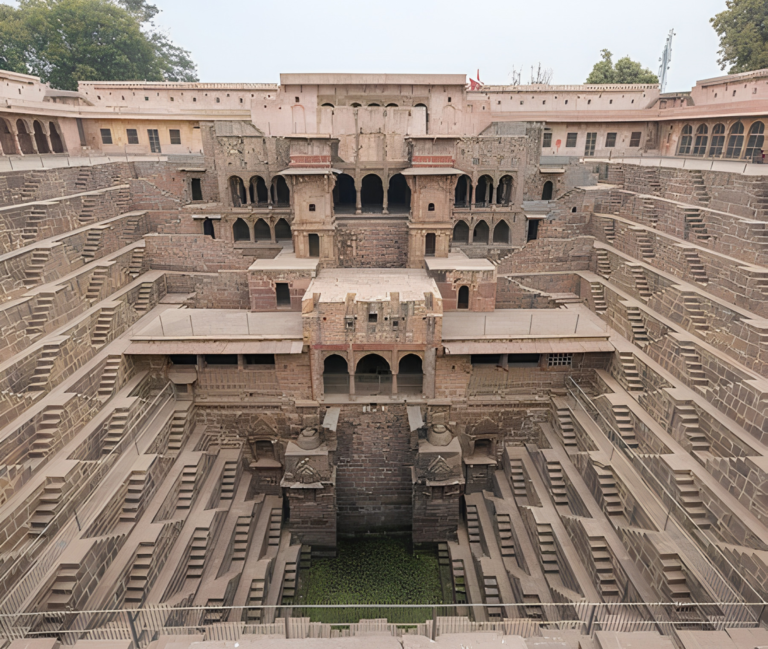
CHAND BAORI
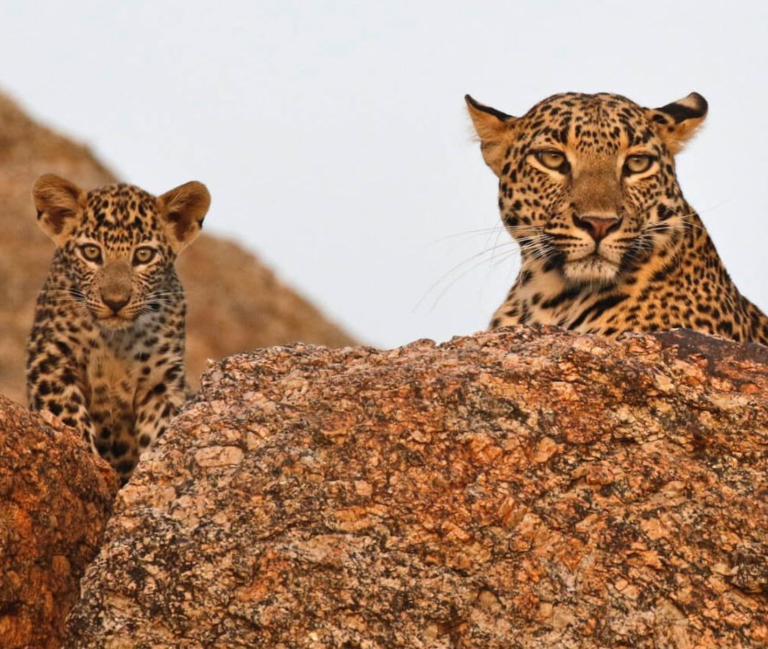
Jawai is known for its dramatic granite hills, rural communities and leopard habitat. It offers a different side of Rajasthan, combining nature, wildlife and countryside experiences.
Best for: Wildlife photography, nature and peaceful stays.
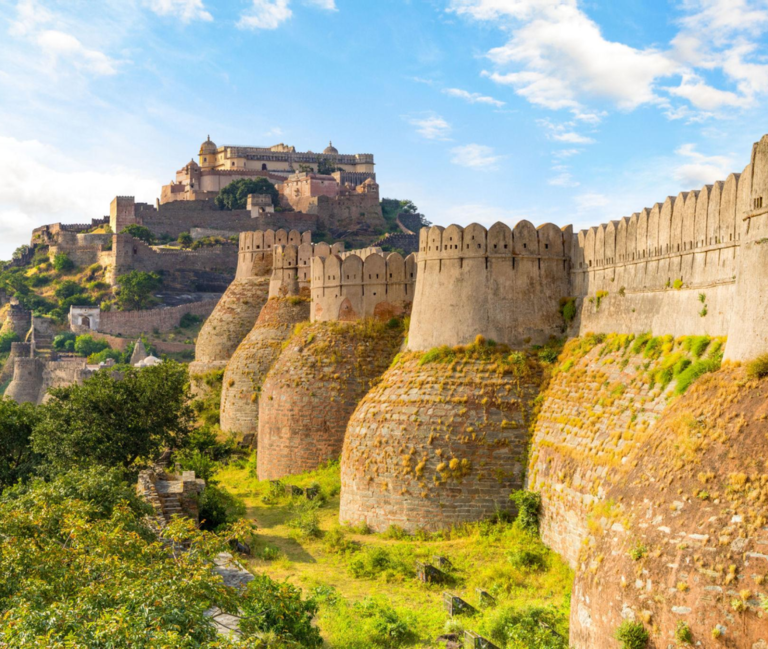
kumbhalgarh fort
Surrounded by the Aravalli hills, this historic fort is famous for its extensive defensive walls, temples and panoramic mountain views.
Best for: History enthusiasts, architecture and scenic views.
OSIAN
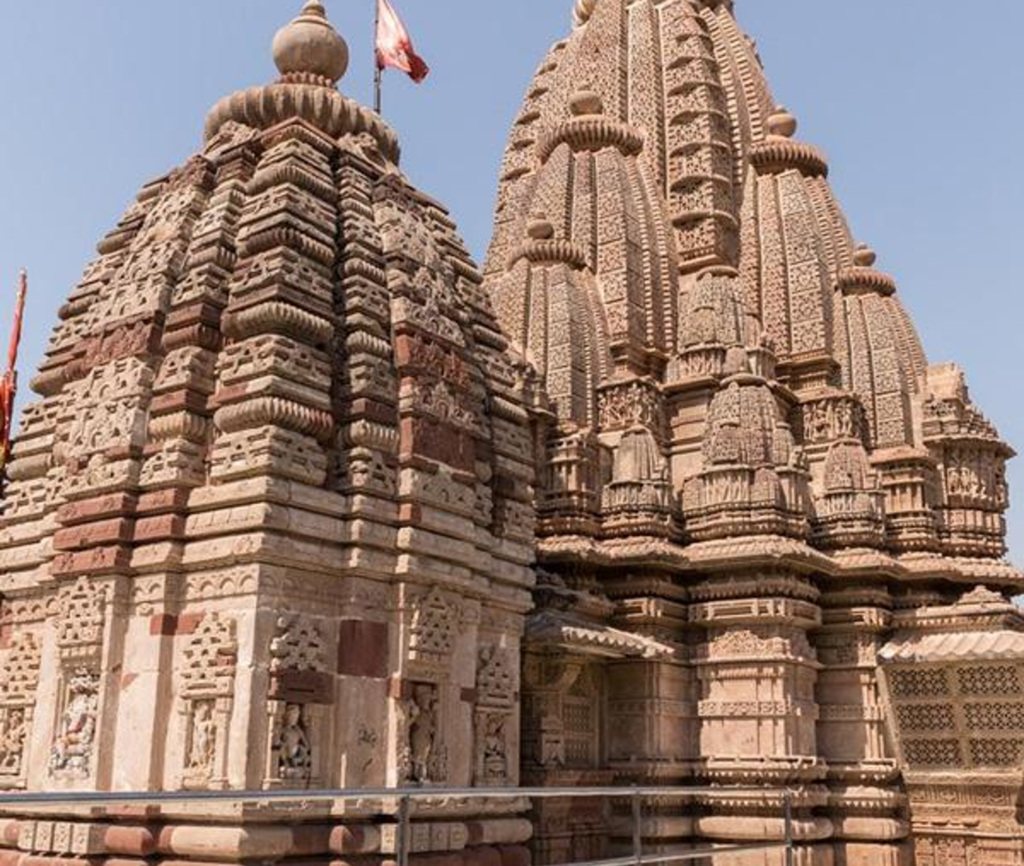
Often called an oasis in the Thar Desert, Osian is known for its ancient temples, intricate sandstone carvings and desert surroundings.
Best for: Temple architecture, history and cultural exploration.
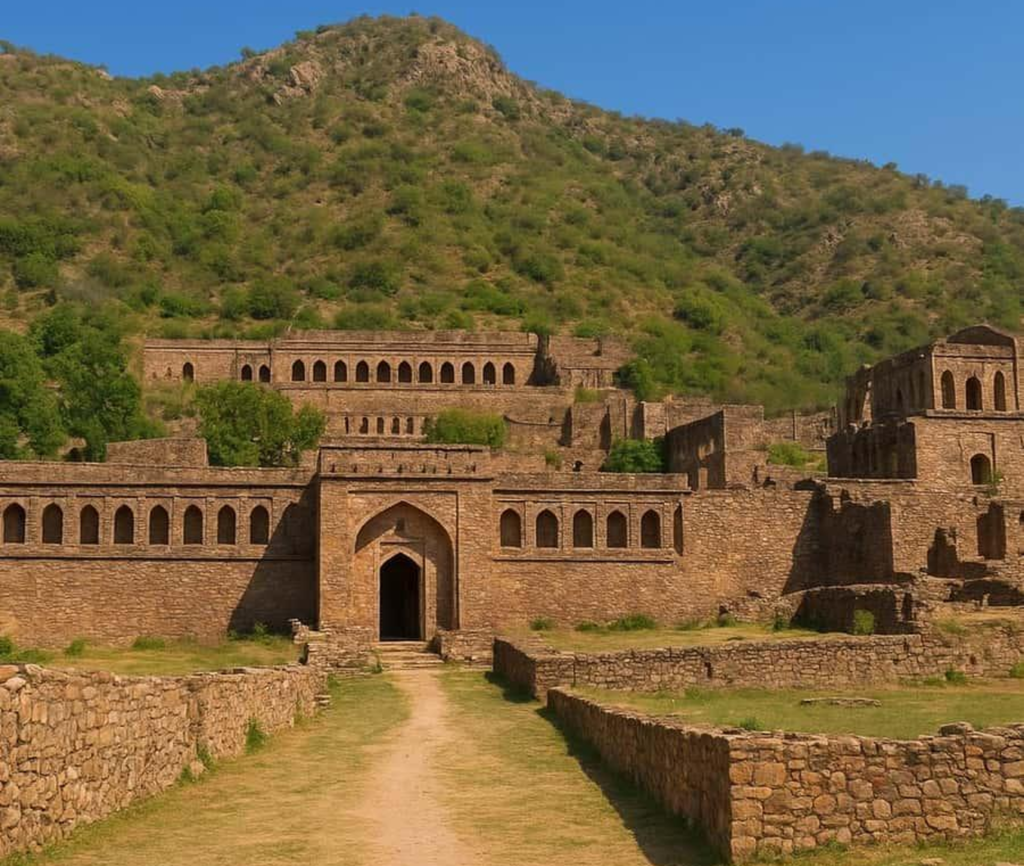
bhangarh fort
Surrounded by historic ruins and temples, Bhangarh Fort is famous for its fascinating legends and architectural remains. It is an interesting destination for travellers curious about Rajasthan’s history and folklore.
Best for: Heritage, architecture and photography.
TRADITIONAL RAJASTHANI CLOTHING:
What Makes It Special?
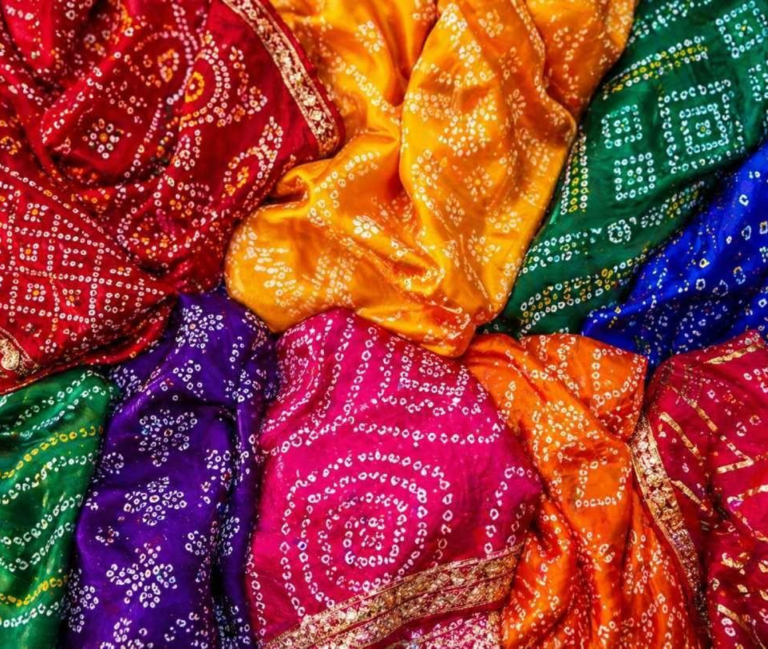
Traditional Rajasthani clothing is famous for bright colours, intricate embroidery, mirror work and distinctive headwear. The designs reflect the region’s cultural diversity, local craftsmanship and festive traditions.
Ghagra-CHOLI
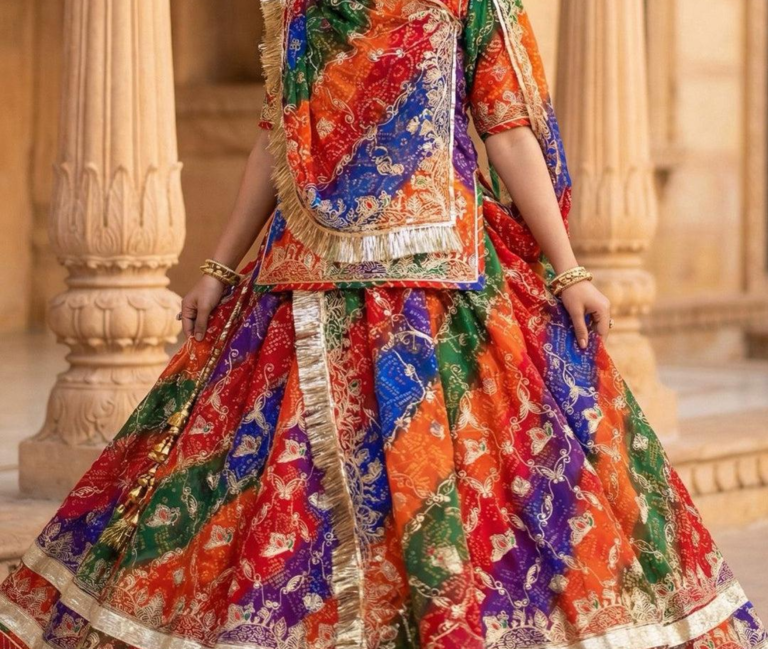
A traditional women’s outfit consisting of a long skirt, blouse and odhni. Colourful prints, embroidery and mirror work are common decorative features.
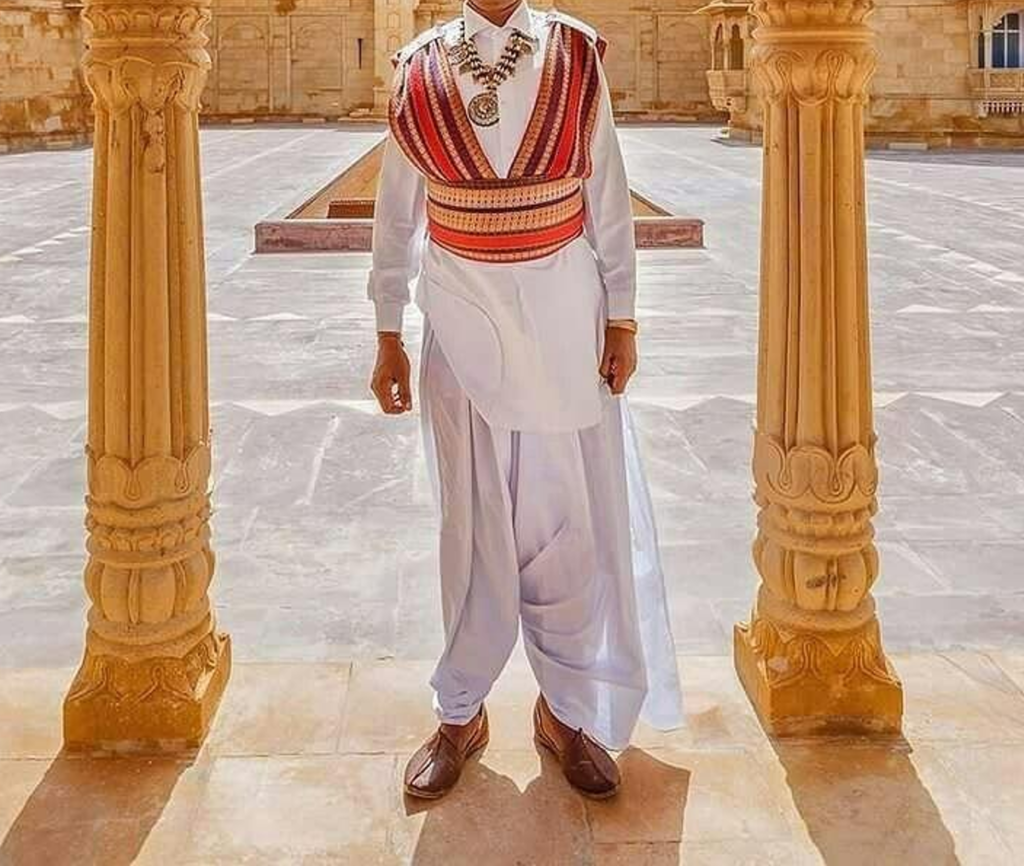
Angarkha and dhoti
Traditional men’s clothing has included the angarkha, a wrap-style upper garment, and the dhoti. Styles vary by region and occasion.
PAGRI OR SAFA
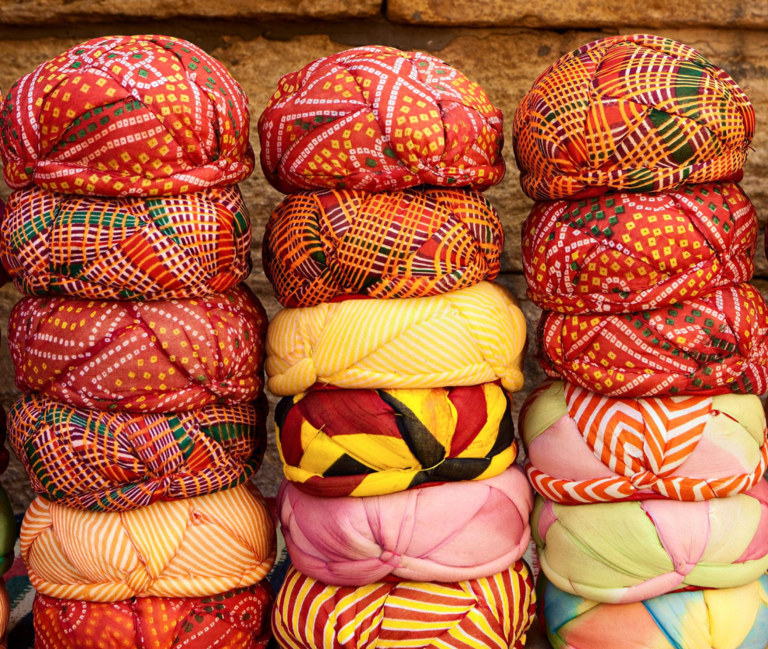
Traditional headwear recognised for its colourful fabrics and regional wrapping styles. It is often worn during weddings, festivals and cultural celebrations.
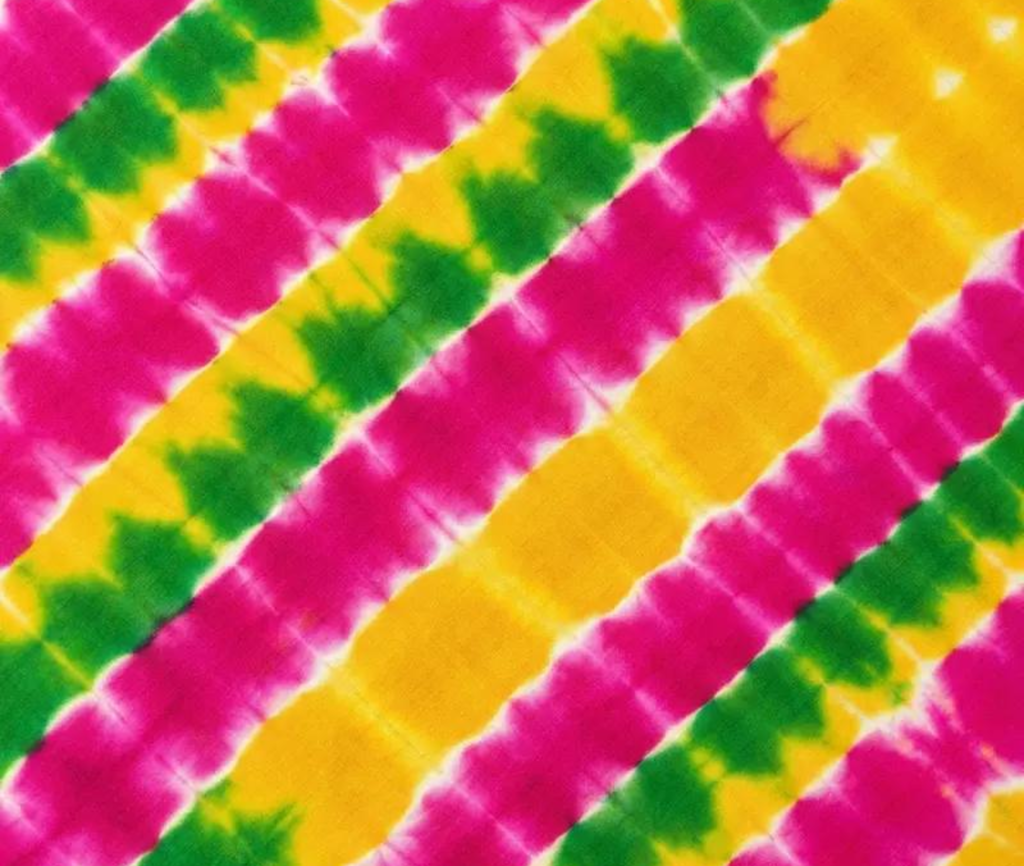
bandhani and leheriya
Bandhani creates patterns through tie-dyeing, while leheriya is known for wave-like stripes. Both techniques are used in scarves, sarees, dupattas and turbans.
what should you wear
When visiting Rajasthan?
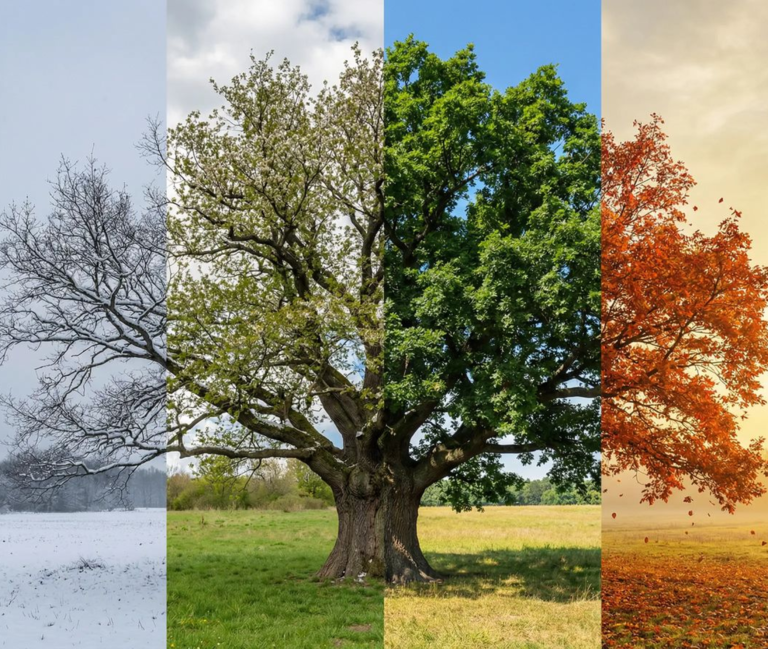
• Summer: Lightweight cotton clothing, sunglasses and a hat.
• Monsoon: Comfortable clothes and footwear suitable for occasional rain.
• Autumn: Light layers for warm days and cooler evenings.
• Winter: Warm clothing, especially for desert destinations where nights can be cold.
Choose respectful clothing when visiting religious places and follow local customs.
rajasthani traditions and culture
You should know about
Rajasthan’s cultural identity is reflected in its folk music, traditional dances, handicrafts, festivals and community celebrations. These traditions preserve stories and skills passed down through generations.
KATHPUTLI — TRADITIONAL PUPPETRY
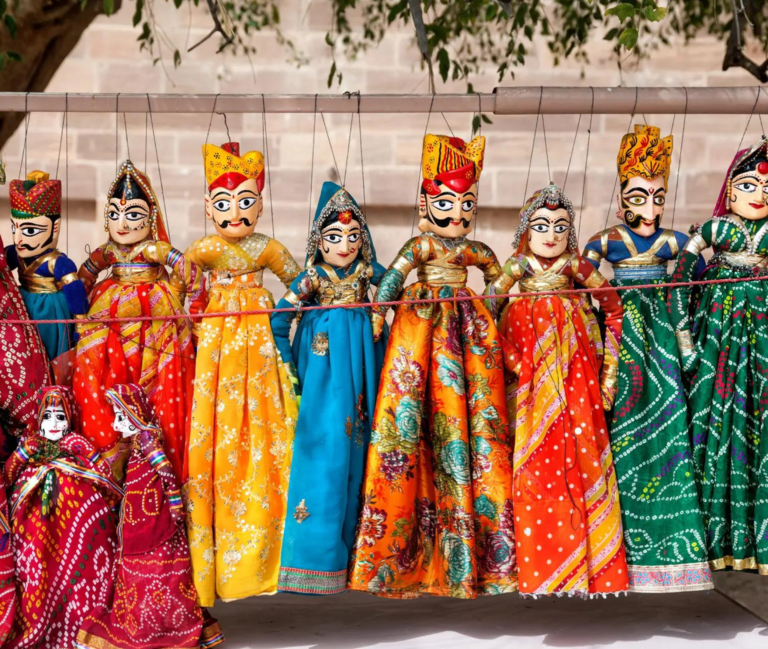
Colourful wooden puppets, elaborate costumes and storytelling bring Rajasthan’s folklore and traditional tales to life.
GHOOMAR—TRADITIONAL FOLK DANCE
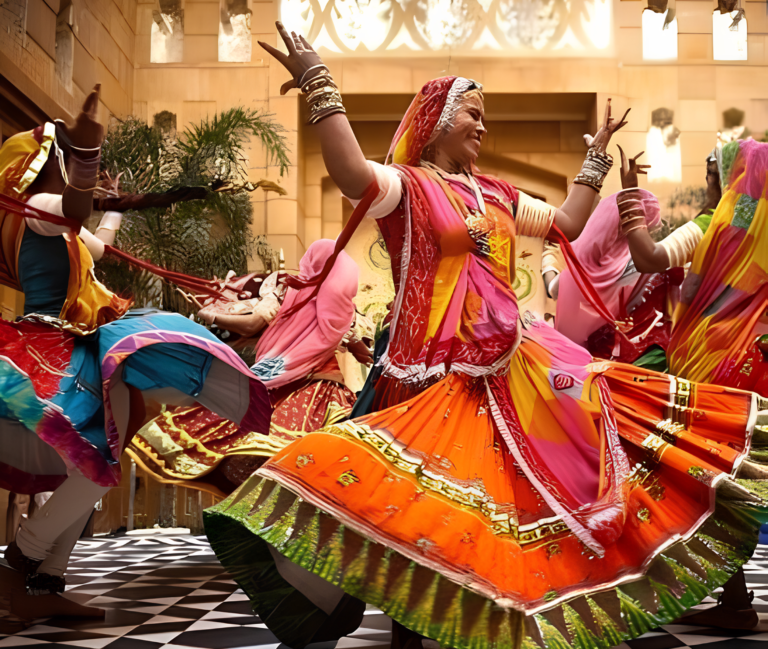
Ghoomar is known for graceful circular movements and colourful flowing skirts. It is traditionally performed by women during festive occasions and celebrations.
FOLK MUSIC AND STORYTELLING
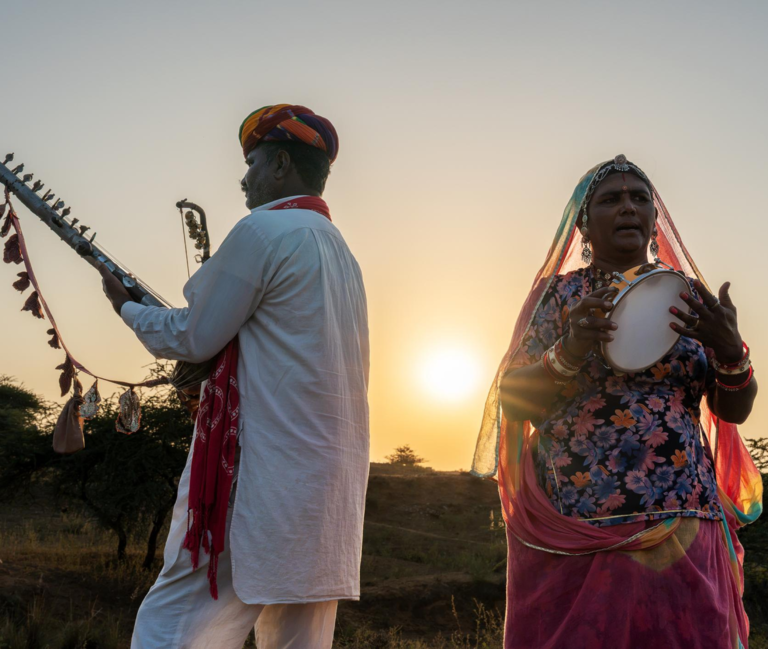
Traditional musicians preserve regional stories and cultural memories through songs, instruments and performances at community gatherings and festivals.
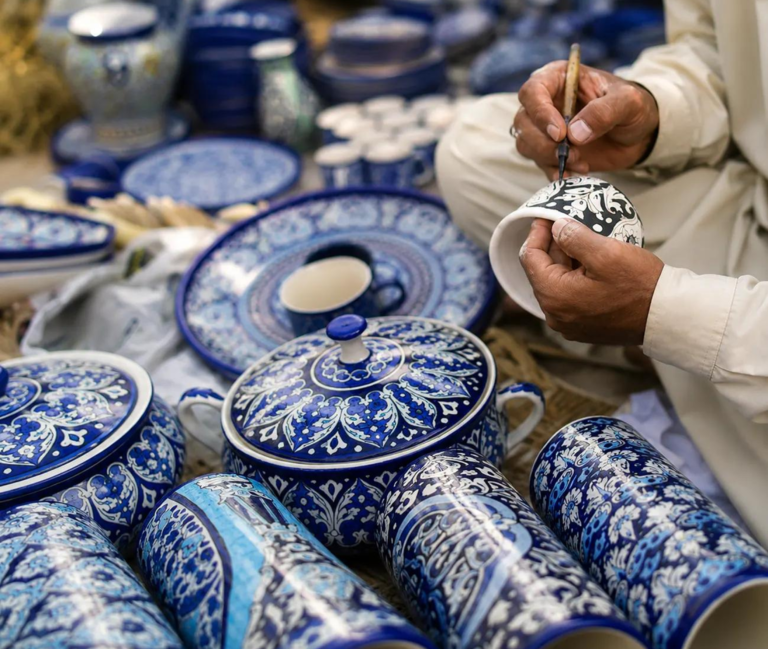
BLUE POTTERY AND BLOCK PRINTING
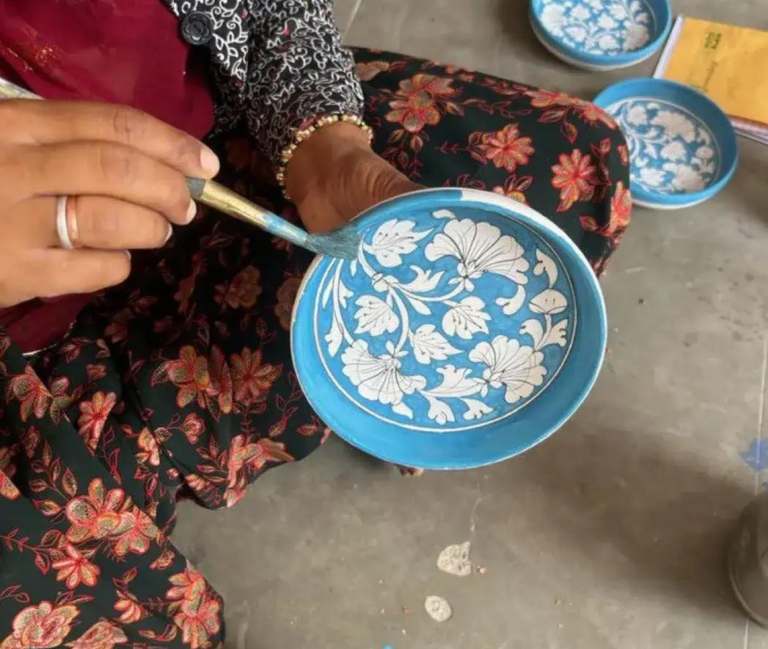
Jaipur is known for blue pottery, while regions such as Sanganer are associated with traditional textile printing. These crafts showcase the creativity and skill of local artisans.
festivals worth experiencing
PUSHKAR CAMEL FAIR
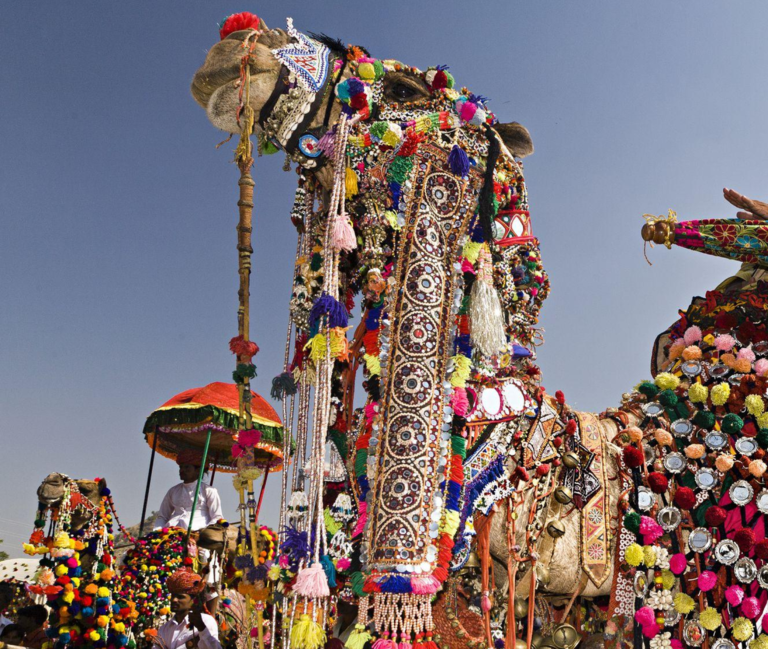
An annual gathering known for livestock trading, cultural activities, local crafts and traditional events.
Gangaur
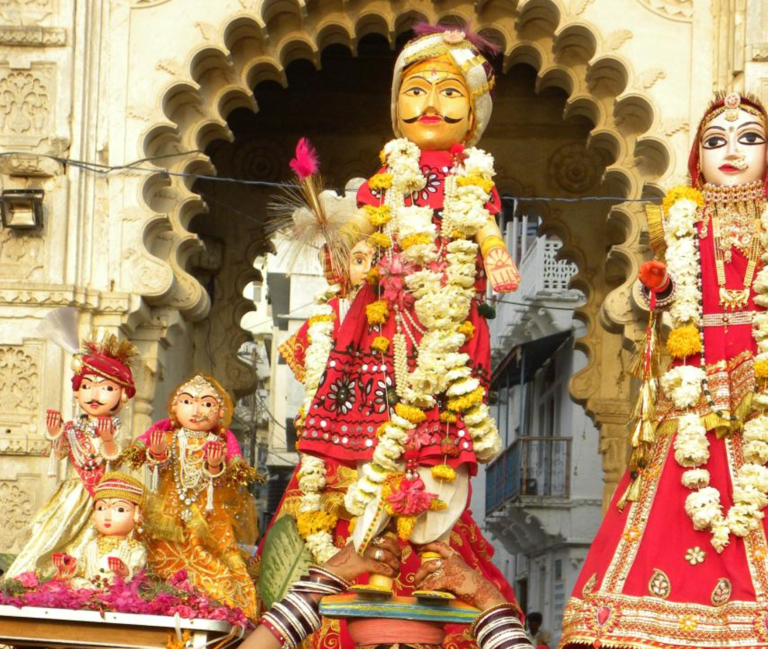
A significant festival featuring traditional rituals, colourful clothing and community celebrations.
desert festival
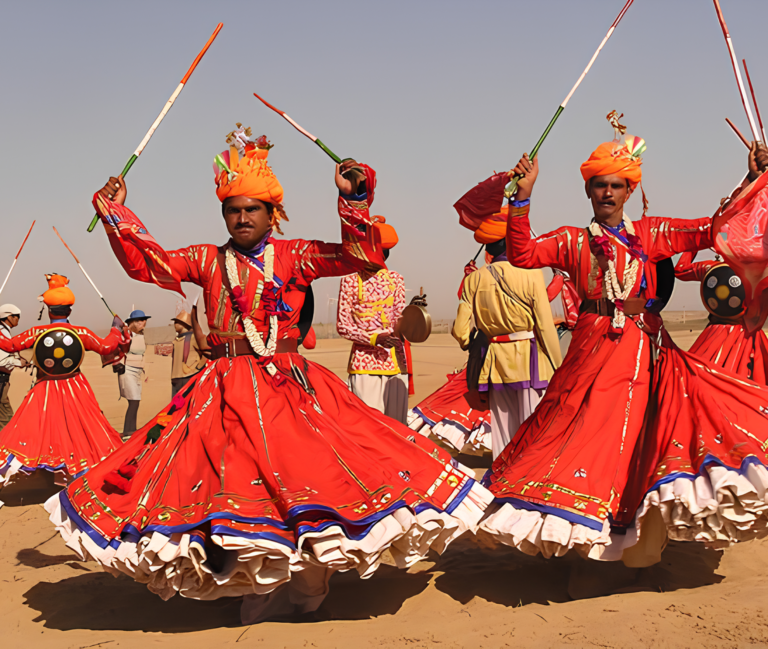
A celebration of desert culture through folk music, performances, crafts and regional traditions.
Festival dates vary each year, so check the calendar before planning your visit.
what to buy in rajasthan:
Souvenirs worth bringing Home
bandhani textiles
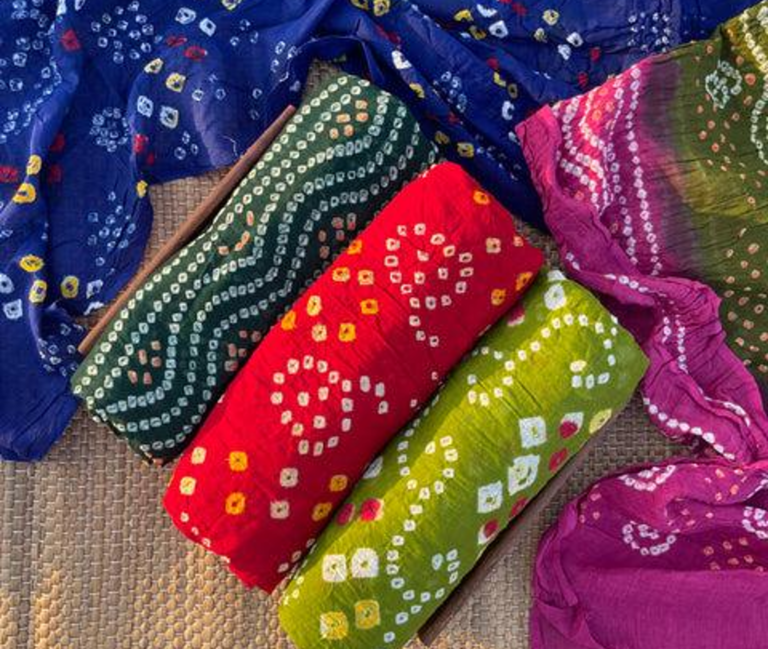
Colourful scarves, sarees and dupattas that showcase Rajasthan’s tie-dye traditions.
Traditional JewellERY
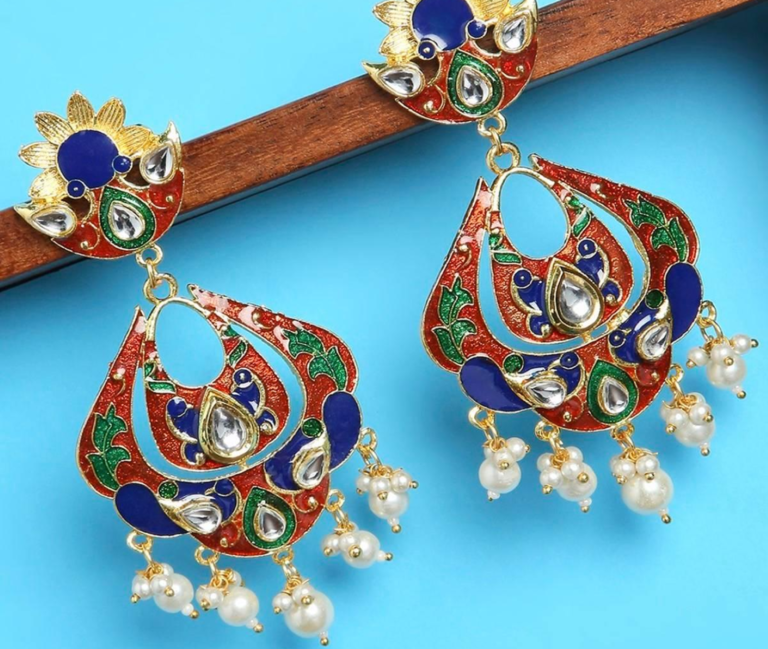
Explore Kundan and Meenakari designs from reputable sellers.
Mojari and Jutti
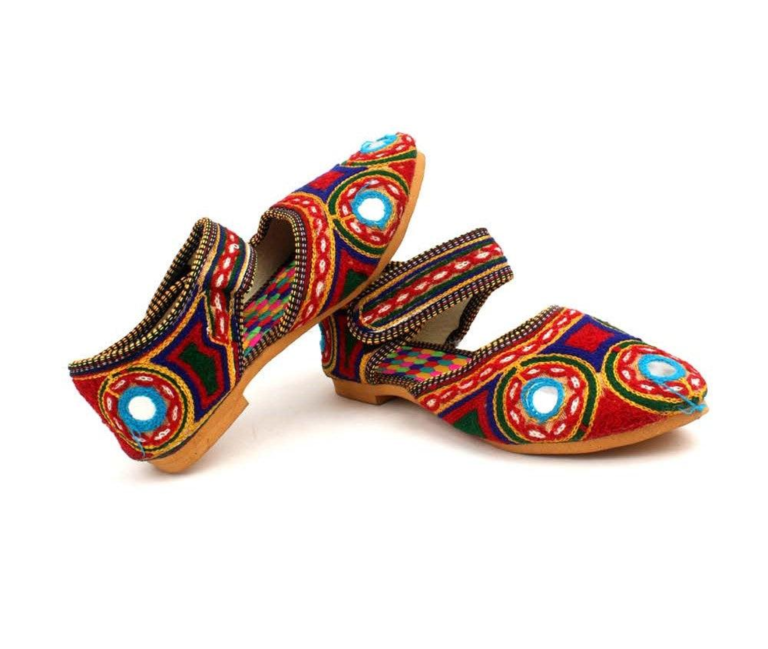
Traditional footwear decorated with embroidery and colourful details.
blue pottery
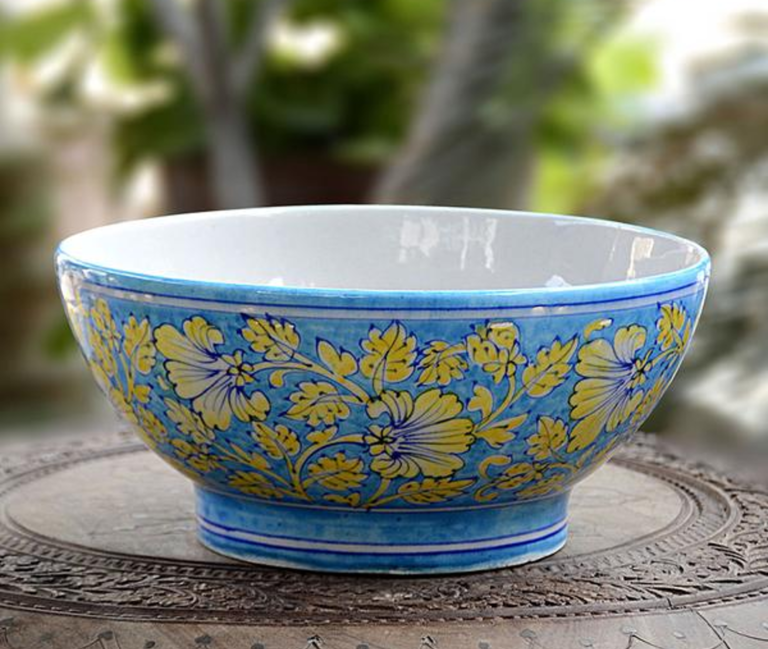
Decorative bowls, plates and other handcrafted pieces.
Buying from local artisans and reputable craft shops helps support traditional craftsmanship. For jewellery and other expensive items, ask about materials and authenticity before purchasing.
BEST TIME TO EXPERIENCE RAJASTHAN
Spring (March)
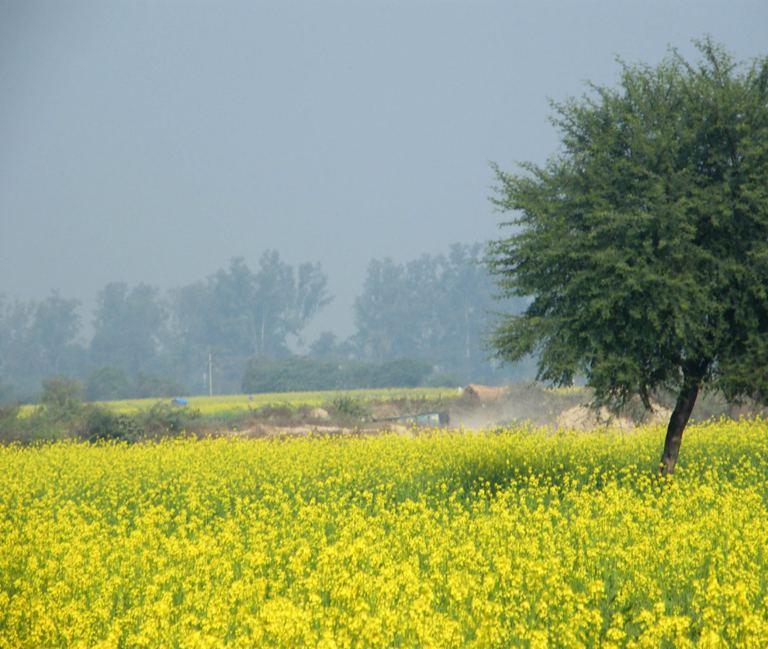
A pleasant period for selected outdoor sightseeing, especially in the mornings and evenings, before summer temperatures rise.
Winter (Nov–Feb)
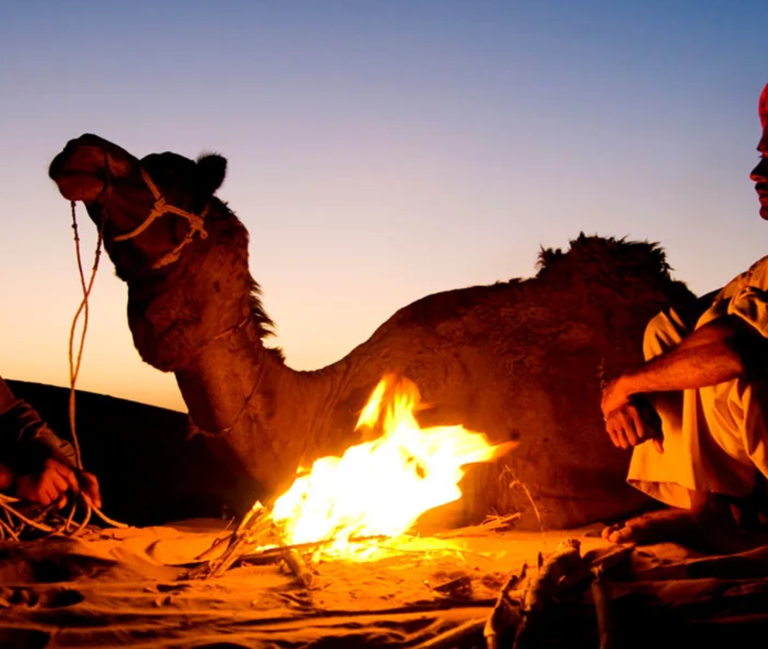
Generally one of the most comfortable seasons for exploring forts, palaces, desert landscapes and cultural events.
Monsoon (July–Sep)
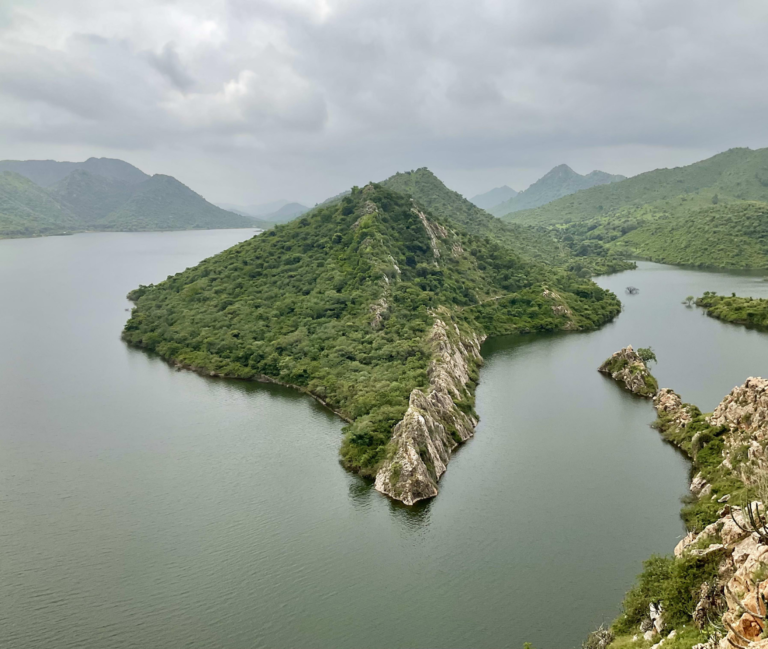
Rain can bring greener scenery to some areas, although weather and road conditions vary.
Summer (April–June)
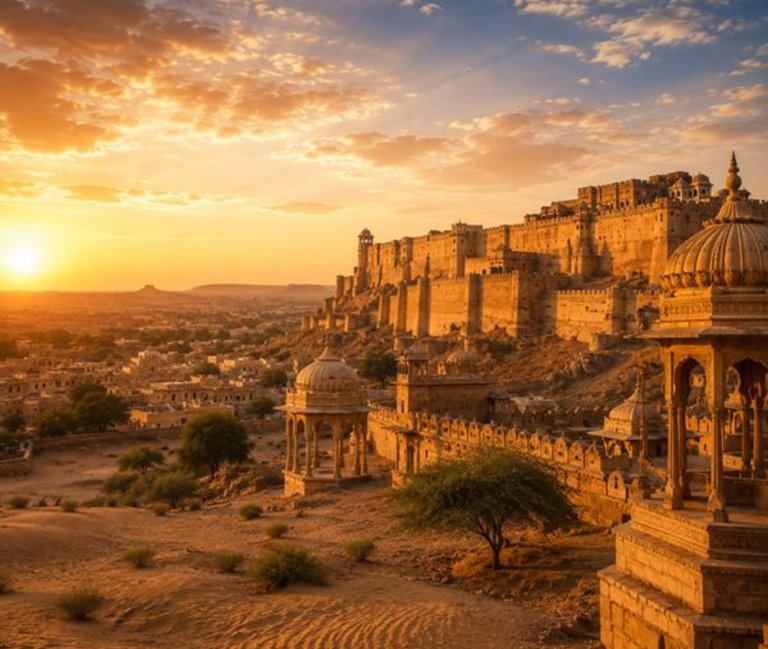
Temperatures can become extremely high. Plan sightseeing early or late in the day and carry plenty of water.
BEST TIME TO EXPERIENCE RAJASTHAN
- Respect local customs and ask permission before photographing people.
- Support local artisans by buying authentic handicrafts.
- Protect historic monuments and avoid littering.
- Conserve water, particularly in desert areas.
- Choose responsible wildlife experiences and maintain a safe distance from animals.
- Explore local markets, traditional eateries and rural communities to understand everyday life.
- Rajasthan has considerable regional variation in weather. Check forecasts, local conditions and festival dates before finalising your itinerary.
BEST TIME TO EXPERIENCE RAJASTHAN
- Rajasthan is much more than royal palaces and golden deserts. It is a place where ancient stepwells reveal remarkable engineering, traditional recipes reflect desert living, colourful textiles express regional identities and folk performances preserve generations of storytelling.
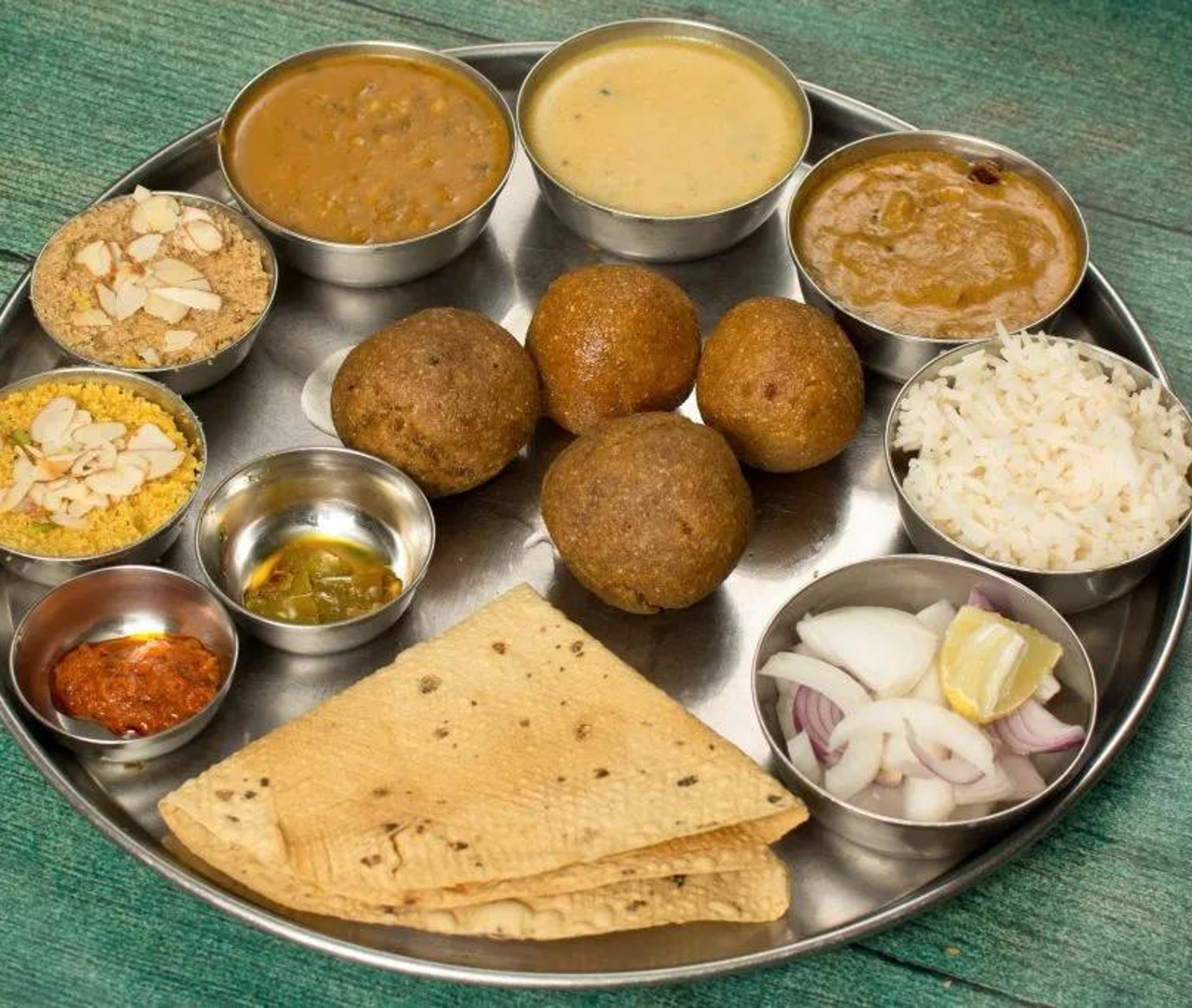
- From the historic charm of Bundi and the architectural brilliance of Chand Baori to the landscapes of Jawai and the flavours of Dal Baati Churma, every experience reveals another side of this remarkable state.
- For travellers who want more than the usual tourist attractions,exploring Rajasthan’s hidden places, local cuisine, traditional clothing and cultural heritage can make a journey truly memorable.