

Kashmir Beyond the Postcards: Hidden Places, Traditional Clothes and Timeless Culture
Discover the Soul of Kashmir
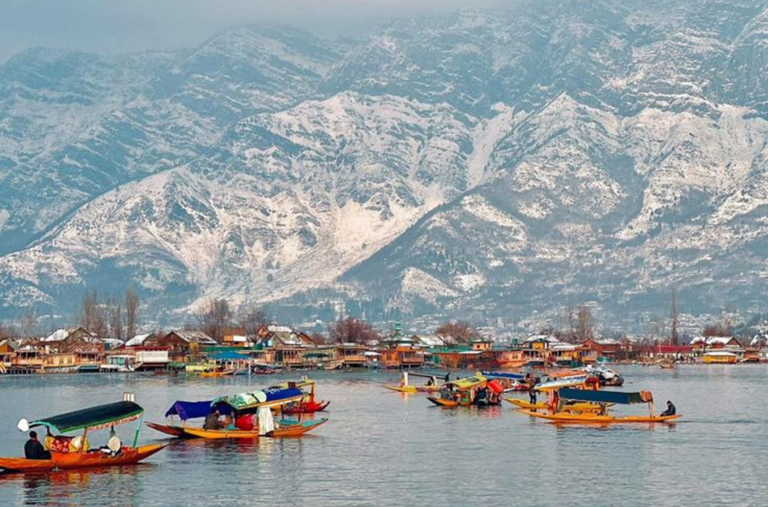
Kashmir is more than its snow-covered mountains, famous lakes and beautiful gardens. It is a land of quiet mountain villages, fragrant saffron fields, centuries-old handicrafts, traditional clothing and meals that bring families together.While destinations such as Srinagar, Gulmarg and Pahalgam attract travellers from across the world, another side of Kashmir awaits those willing to explore beyond the usual tourist trail. Imagine walking through peaceful meadows, discovering wooden villages beside rivers, enjoying freshly baked Kashmiri bread with noon chai, and learning about traditions passed down through generations.This guide explores Kashmir through its lesser-known destinations, signature dishes, traditional clothing and rich cultural heritage, helping you experience the region beyond the typical sightseeing itinerary.
Explore Kashmir
Tabel of Contents
Discover Kashmir beyond the postcards, from hidden valleys and authentic Kashmiri cuisine to traditional clothing, rich culture, and timeless travel experiences. Use this table of contents to explore the key sections of the article and find the information you need.
Hidden Places in Kashmir
That Deserve a Place on Your Itinerary
CHATPAL VALLEY
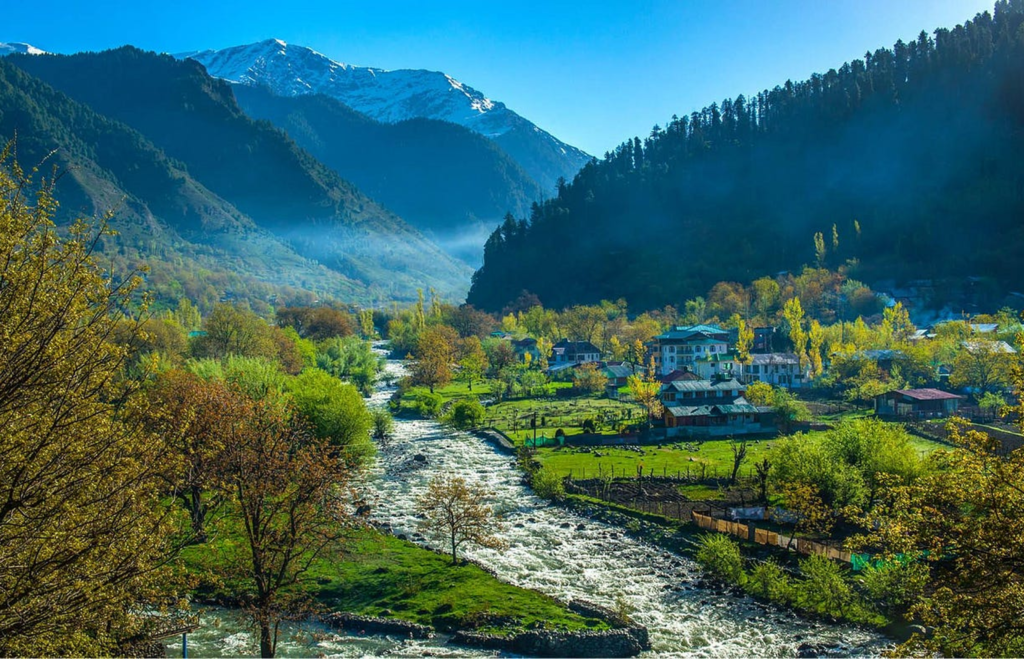
For travellers who prefer peaceful surroundings over busy tourist areas, Chatpal offers forested slopes, streams, meadows and a slower pace of life. It is a lovely destination for nature walks and quiet moments in the mountains.
Best for: Nature lovers, couples, photographers and peaceful countryside escapes.
Travel note: Accommodation and services can be limited, so plan transport and overnight stays in advance.
GUREJ VAlley
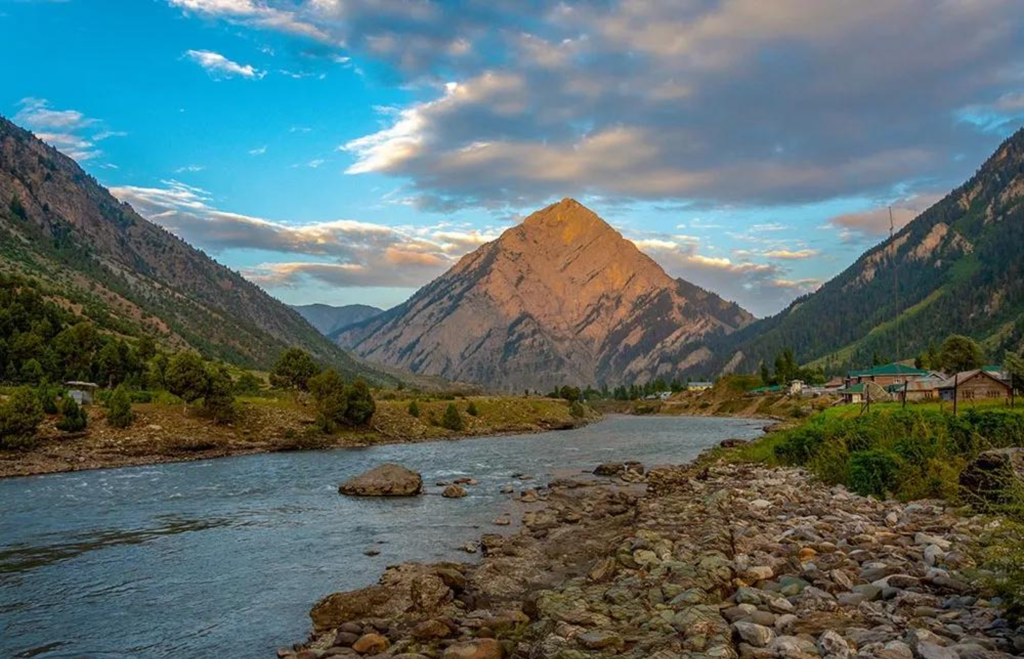
Gurez is a remote mountain valley known for its dramatic peaks, the Kishanganga River and traditional wooden homes. Its cultural identity is especially interesting because the region is home to Dard-Shina communities with distinct linguistic and cultural traditions.
Best for: Scenic road trips, village experiences, mountain photography and slow travel.
Travel note: Road access is seasonal and can be affected by snow. Check local conditions before travelling.
lolab valley
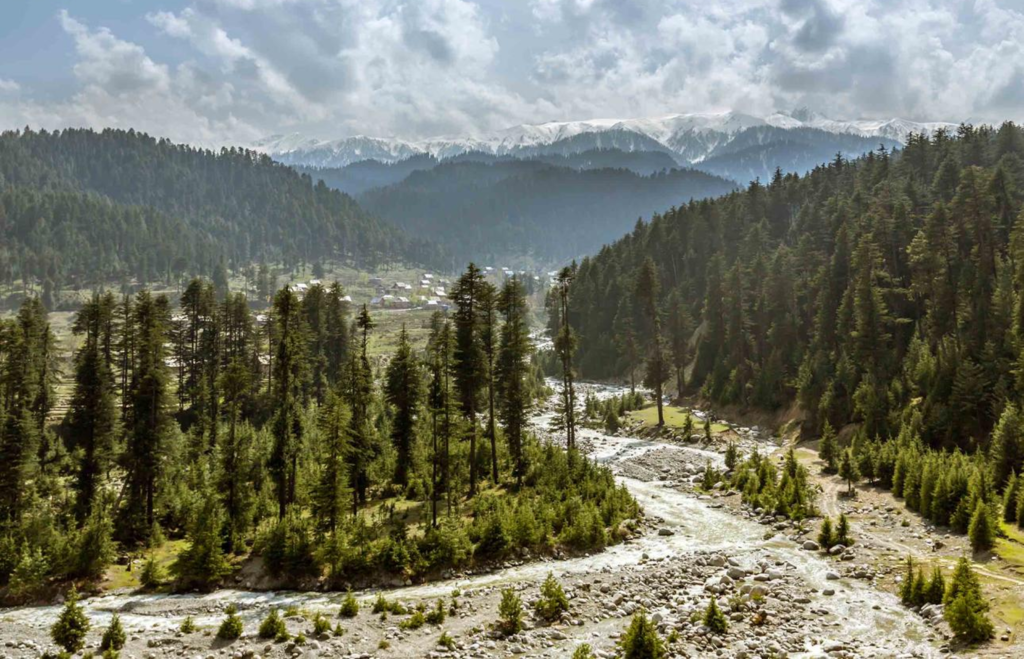
Often associated with orchards, wooded hills and peaceful rural scenery, Lolab is an appealing alternative for visitors looking to explore northern Kashmir beyond its best-known attractions.
Best for: Orchard landscapes, village walks, photography and relaxed stays.
Travel note: Spring brings blossoms, while autumn is a wonderful time to experience the surrounding harvest landscapes.
Bangus valley
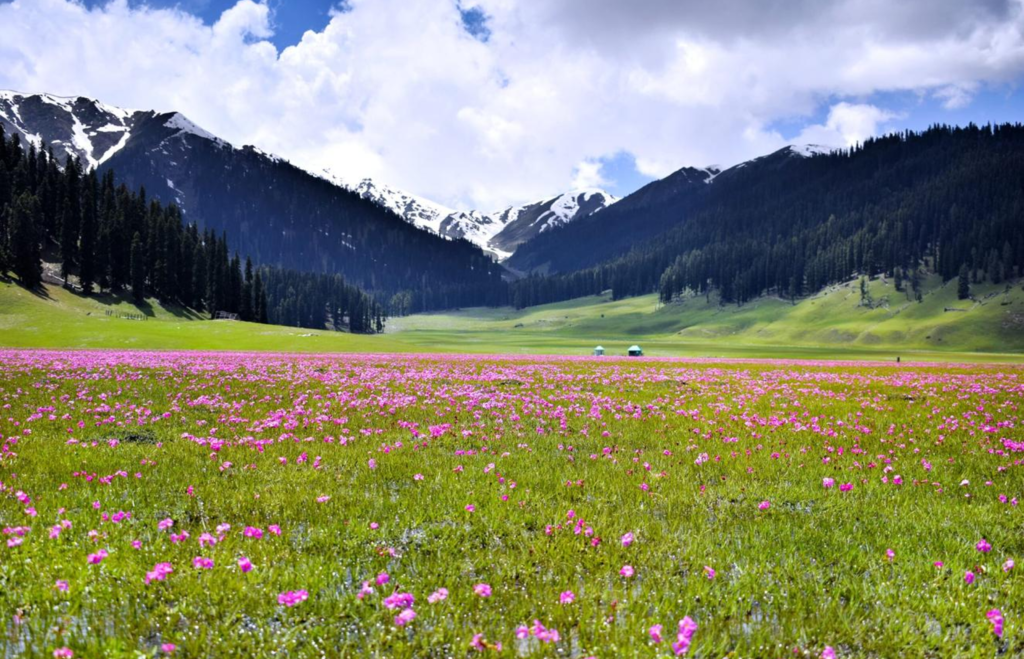
Bangus is known for its expansive highland meadows, mountain views and relatively remote setting. It is particularly attractive to visitors who want open landscapes and opportunities for outdoor exploration.
Best for: Meadow walks, nature photography and adventure travel.
Travel note: Access may depend on local permissions, road conditions and security restrictions. Confirm before setting out.
aharbal waterfall
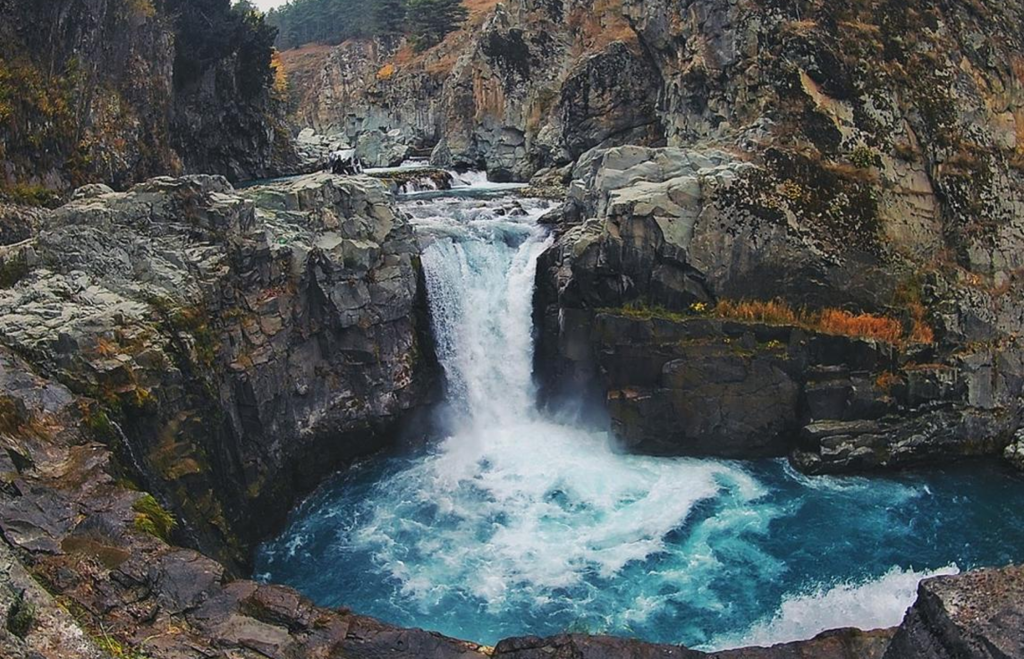
Aharbal is a striking waterfall surrounded by forested scenery, where the Vishow River plunges over rocky ledges. It offers a refreshing change from lake and meadow sightseeing.
Best for: Nature photography, day trips and scenic walks.
Travel note: Keep a safe distance from slippery rocks and fast-flowing water.
DAKSUM
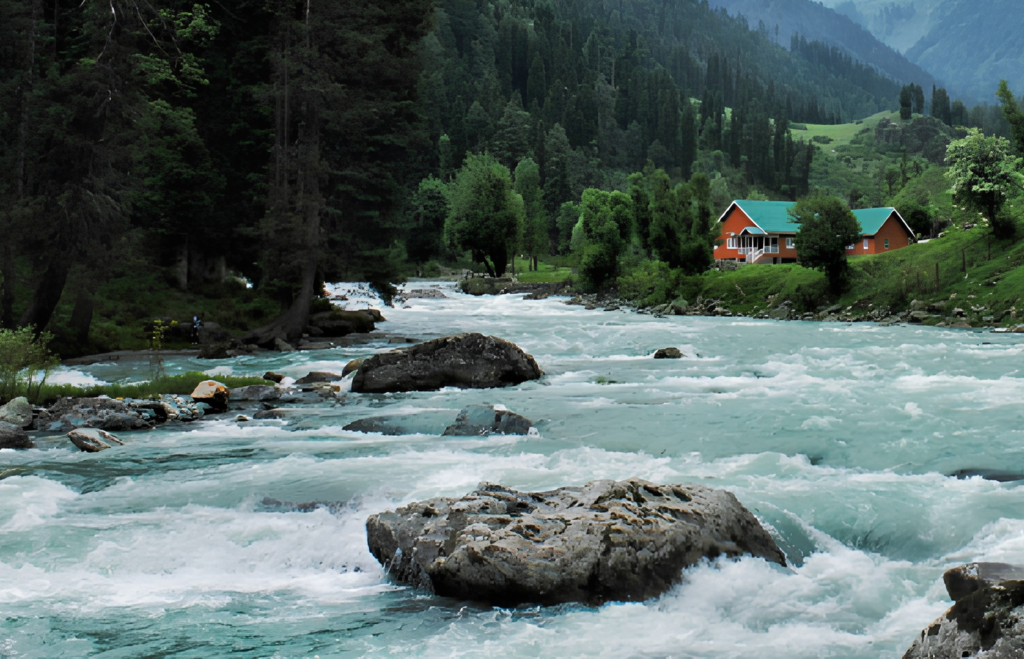
Surrounded by dense coniferous forests and mountain scenery, Daksum is a beautiful option for travellers who want to experience Kashmir’s quieter natural side. The journey itself can be as rewarding as the destination.
Best for: Forest scenery, peaceful drives, picnics and nature escapes.
Travel note: Check road conditions and seasonal access, especially when travelling towards higher mountain passes.
Best Time to Experience Kashmir's
SPRING | MARCH–APRIL
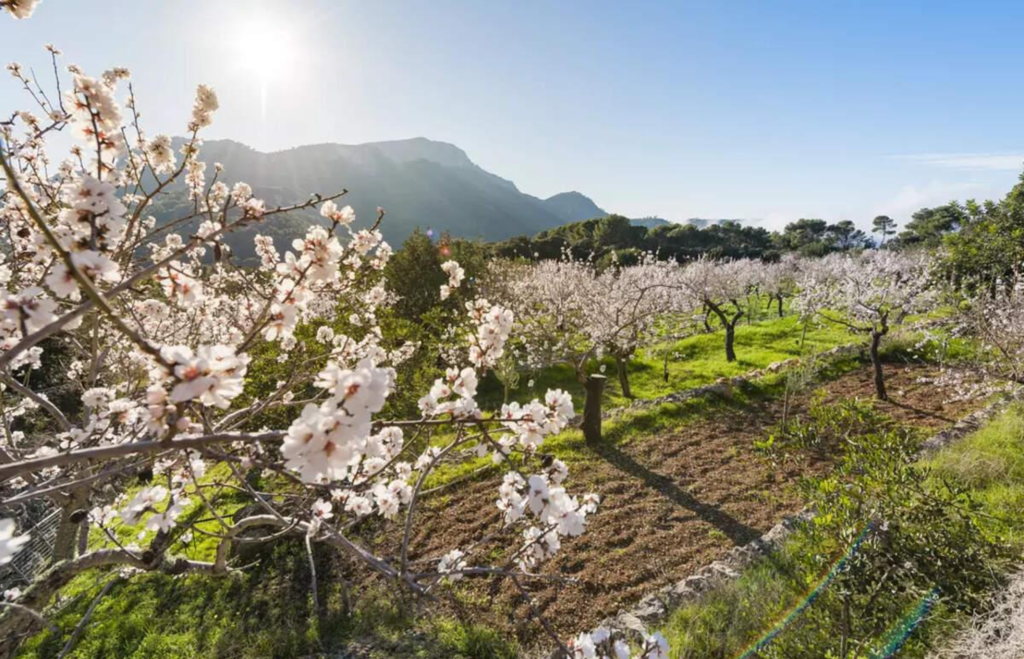
Blossoming trees, gardens and fresh green landscapes. A lovely time for cultural sightseeing and photography.
summer | may-august
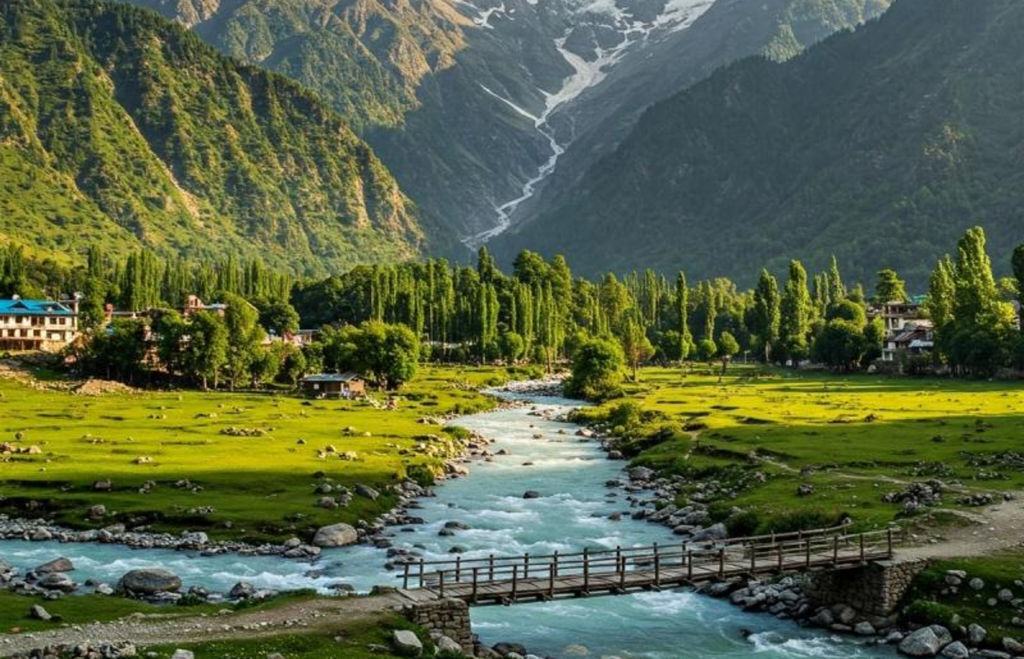
Green meadows and mountain excursions. Many higher-altitude destinations are more accessible, depending on conditions.
AUTUMN | SEPTEMBER–NOVEMBER
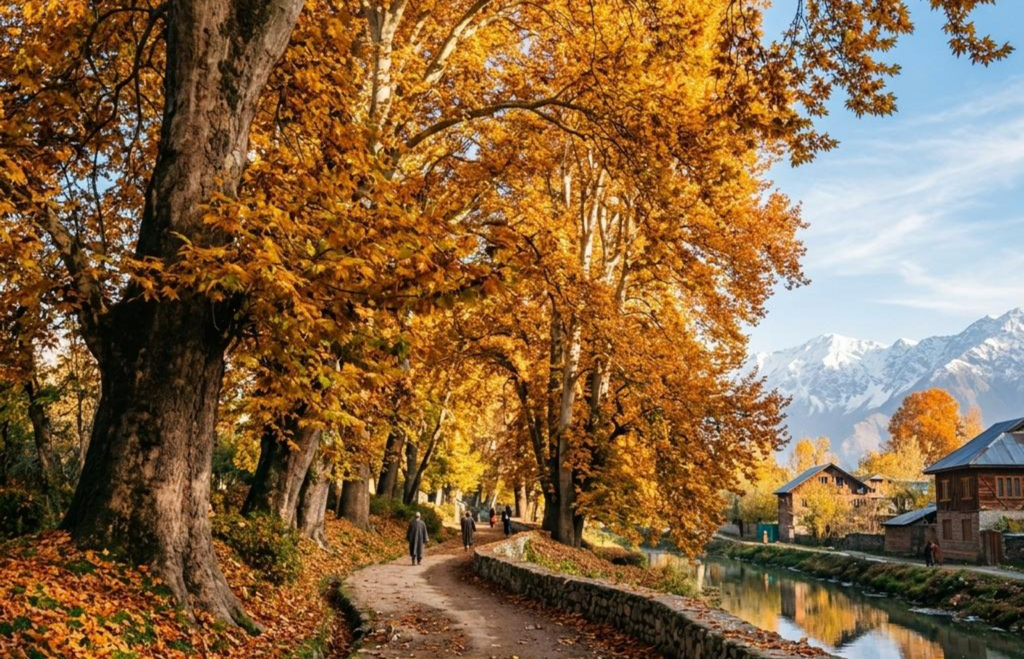
Golden chinar foliage, harvest landscapes and the seasonal saffron bloom. Weather and flowering dates vary.
WINTER | DECEMBER–FEBRUARY
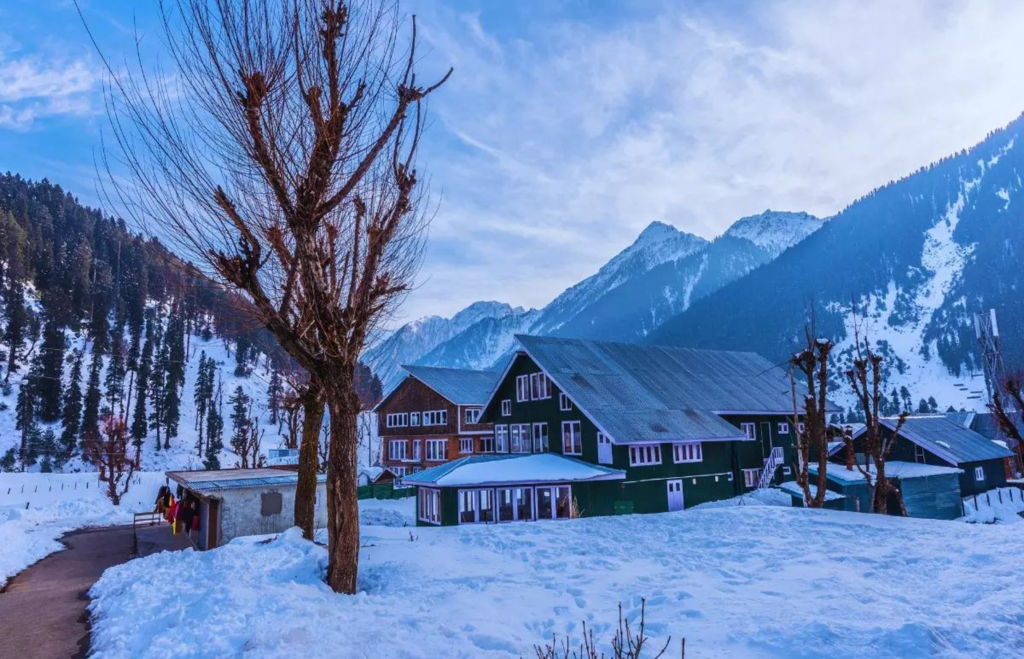
Snowy scenery in suitable areas, cosy pherans, warm kahwa and seasonal winter foods such as harissa. Remote roads may be inaccessible.
Traditional Kashmiri Clothing
What Makes It Special?
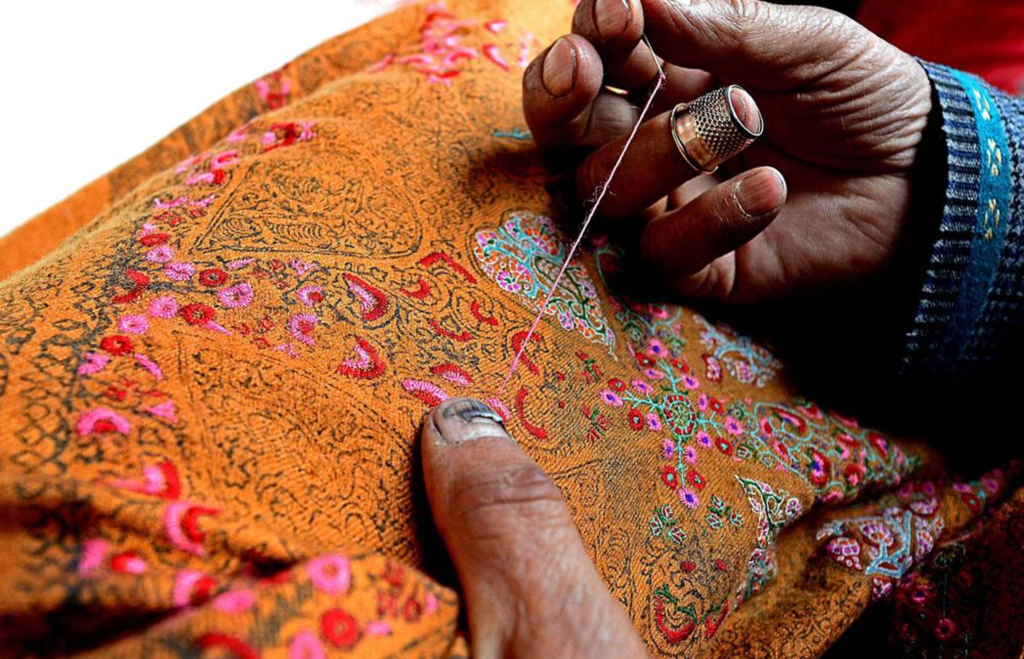
Traditional Kashmiri clothing is shaped by the region’s cold winters, skilled textile artisans and distinctive embroidery traditions. The most recognisable garment is the pheran, while fine shawls and embroidered fabrics are among Kashmir’s best-known crafts.
THE PHERAN
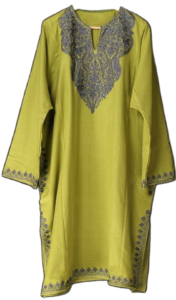
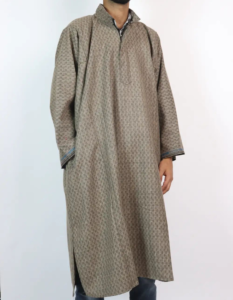
The pheran is a loose, long tunic worn by Kashmiri men and women. Depending on the garment, it may be made from wool or other fabrics, with embroidery or decorative detailing. It is particularly associated with winter clothing and comfort.
PASHMINA SHAWLS
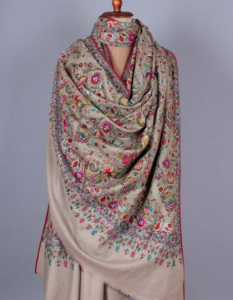
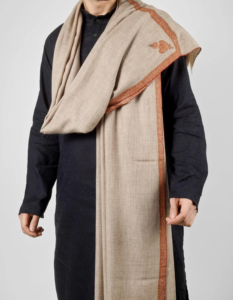
Celebrated for their softness and fine craftsmanship, Pashmina shawls are an important part of Kashmir’s textile heritage. Authenticity and workmanship matter, so buy from reputable sellers and ask about the material and origin.
kani shawls
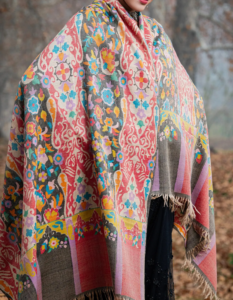
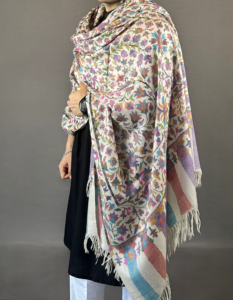
Kani weaving uses small wooden bobbins to create detailed patterns. The technique produces elaborate designs that can take considerable time and skill to complete.
SOZNI EMBROIDERY
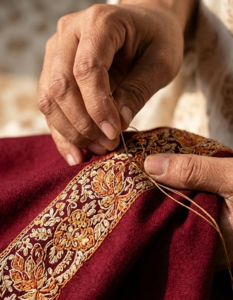
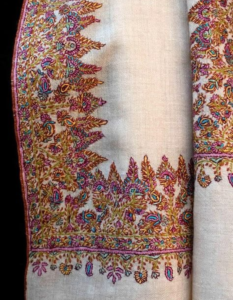
Sozni is a delicate needle-embroidery technique used to decorate shawls and garments. Its fine stitches and intricate floral patterns demonstrate the patience and precision of Kashmiri artisans.
What should you wear when visiting Kashmir?
• SPRING : Light layers, comfortable walking shoes and a jacket for cooler evenings.
• SUMMER : Breathable clothes, with a light sweater for the mountains.
• AUTUMN : Warm layers for chilly mornings and evenings.
• WINTER : Thermal clothing, a warm coat, gloves, suitable footwear and woollen accessories.
When visiting religious sites or rural communities, choose respectful clothing that suits the setting. You can also buy a pheran or a locally crafted shawl as a practical souvenir.
What to Buy in Kashmir:Souvenirs Worth Bringing Home
KASHMIRI SAFFRON
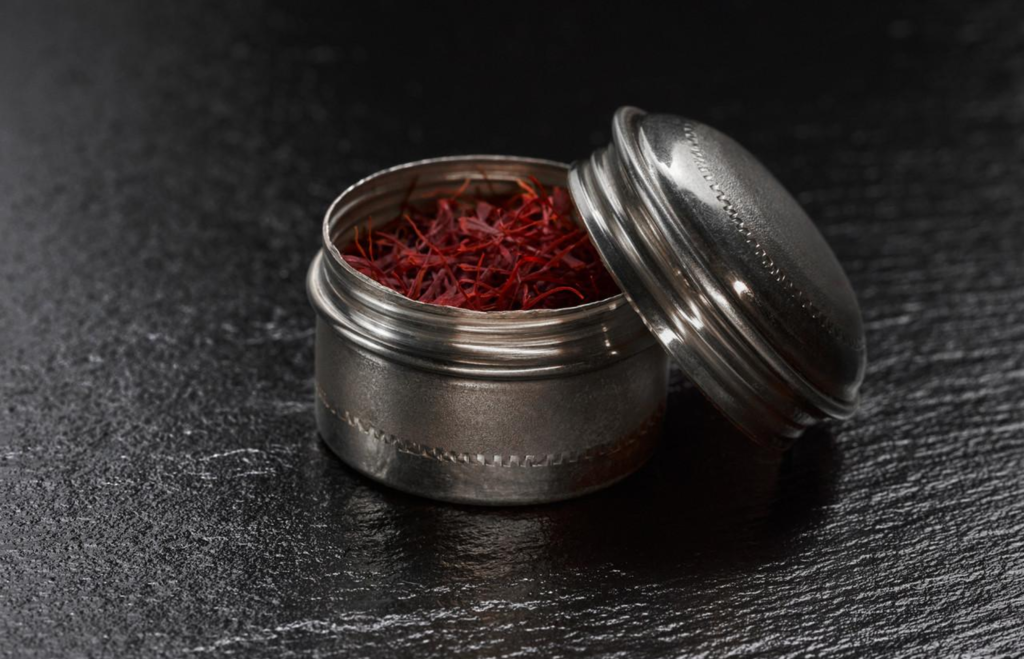
A fragrant local specialty, particularly associated with Pampore. Check its origin and buy from a trusted seller.
PAPIER-MACHE KEEPSAKES
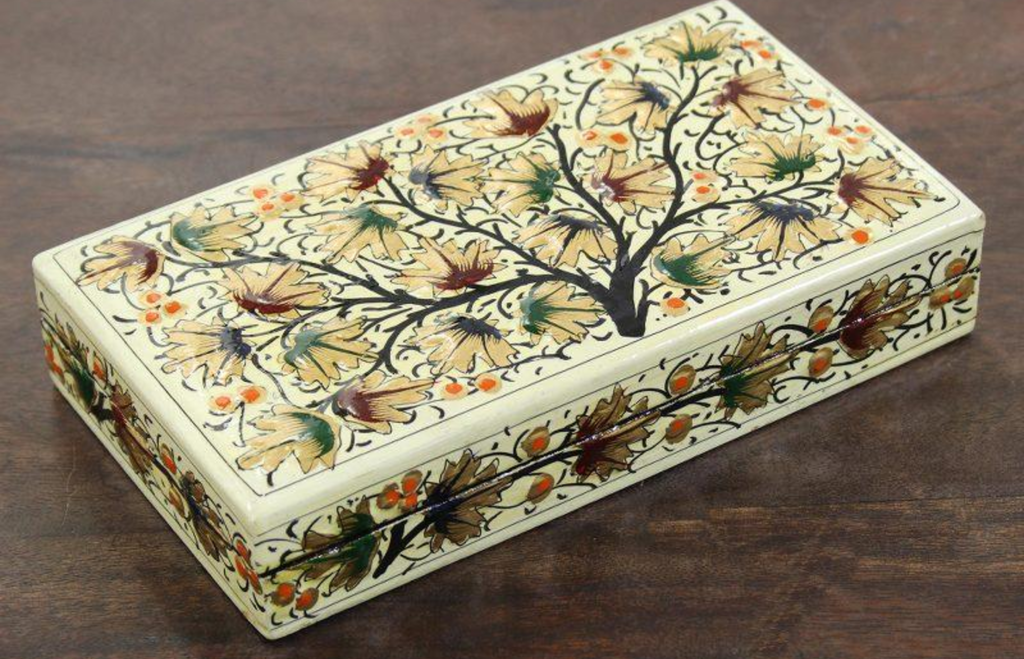
Hand-painted boxes and decorative pieces that showcase local artistic traditions.
WALNUT WOOD CRAFTS
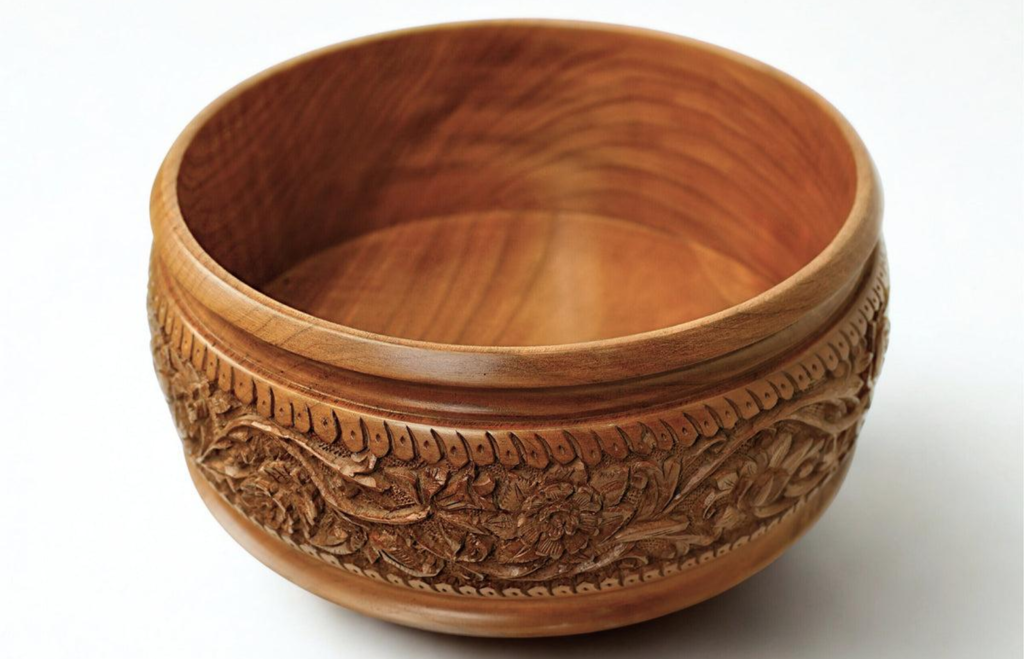
Carved bowls, small decorative objects and other handmade pieces.
WALNUTS AND DRIED FRUITS

A practical edible souvenir that reflects the region’s orchard produce.
Responsible Travel Tips for Kashmir
• RESPECT LOCAL CUSTOMS: Ask before photographing people, homes or private property.
• SUPPORT LOCAL BUSINESSES: Try local bakeries, choose reputable homestays and purchase crafts from genuine artisans.
• PLAN REMOTE EXCURSIONS CAREFULLY: Confirm road access, accommodation, permits and any local security restrictions.
• TRAVEL THOUGHTFULLY: Avoid littering, respect wildlife and carry reusable essentials where practical.
• EXPLORE BEYOND SIGHTSEEING: A conversation with a craftsperson, a traditional breakfast or a locally guided village walk can make a trip more meaningful.
Final Thoughts:
Experience Kashmir Beyond the Ordinary :
• Kashmir is not just a destination to see; it is a place to experience through its landscapes, flavours, clothing andntraditions. The quiet beauty of Chatpal, the cultural richness of Gurez, the warmth of kahwa, the artistry of a Pashmina shawl and the communal spirit of Wazwan all reveal different parts of the region’s identity.
• For travellers who want more than a checklist of famous attractions, exploring these lesser-known places and cultural experiences can make a Kashmir trip feel more personal, memorable and connected to local life.
• There is no single perfect season for every destination. Check forecasts, road conditions and current local travel advisories before visiting remote valleys.