
Kolkata Beyond the Postcards: Famous Landmarks, Traditional Clothes and Living Culture
Introduction: Discover the Soul of Kolkata
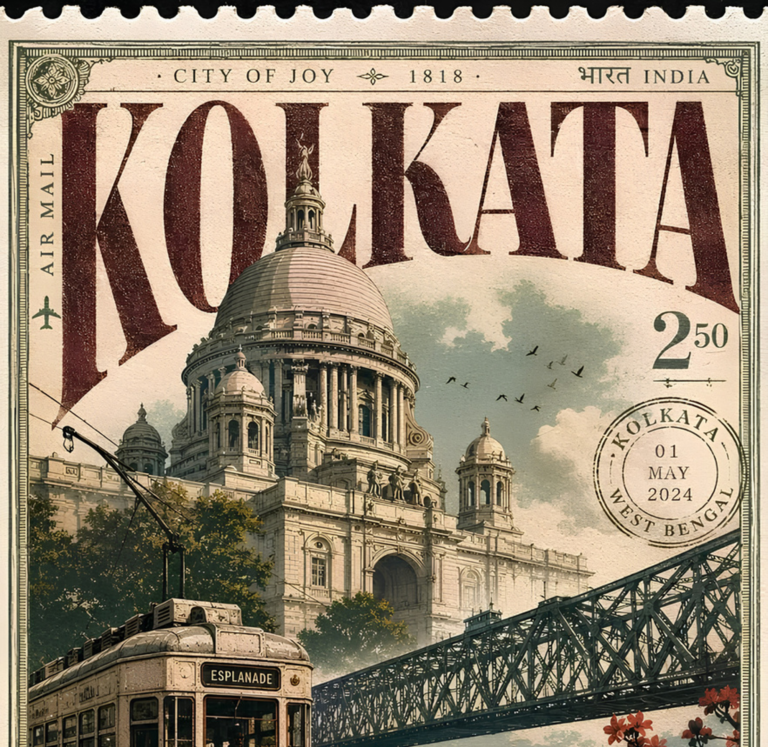
Kolkata, formerly known as Calcutta, is the capital of West Bengal and one of the largest cities in eastern India. Located on the Hooghly River, it is popularly known as the “City of Joy.” The city is famous for its colonial architecture, rich culture, literature, art, festivals, and delicious street food.
For travellers, Kolkata offers a mix of history and modern life. From the iconic Howrah Bridge and Victoria Memorial to local tea stalls, famous sweets, and lively markets, the city has something for everyone. This guide covers the best places to visit, famous foods, festivals, shopping spots, and essential travel tips to help you explore Kolkata.
FAMOUS & UNIQUE PLACES
Victorial memorial
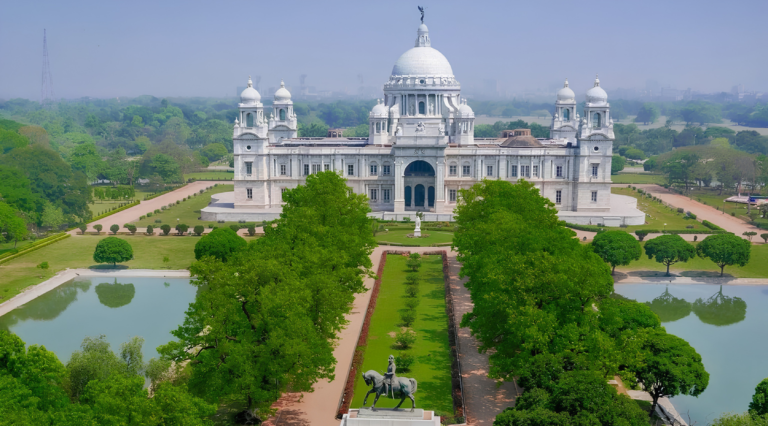
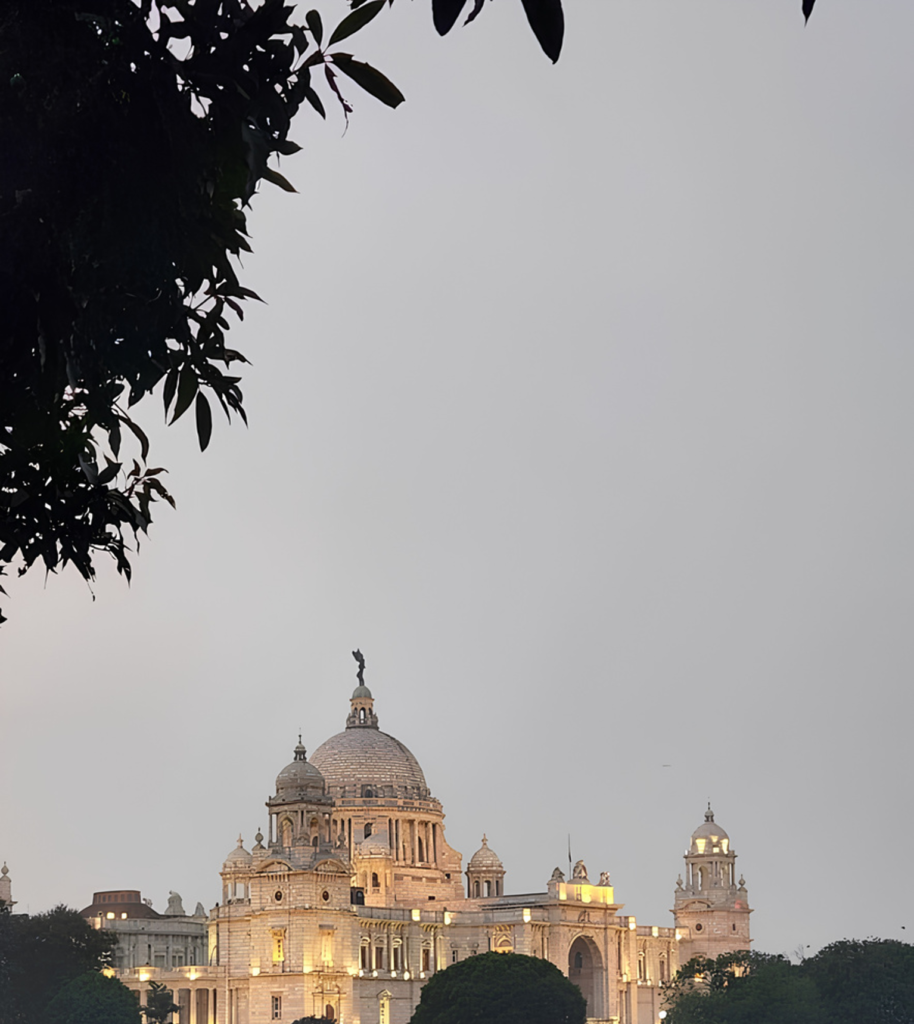
A white-marble palace set in wide green gardens, Victoria Memorial is the best-known building in Kolkata. Inside is a museum of paintings, maps and old objects, but visitors also love the lawns, pond and domes just as much.
Best for: Photography, families, slow afternoon walks and the evening glow on the marble.
Travel note: Opening days, ticket prices and any evening show timings change. Check the official website before you go.
howrah bridge and mullick ghat
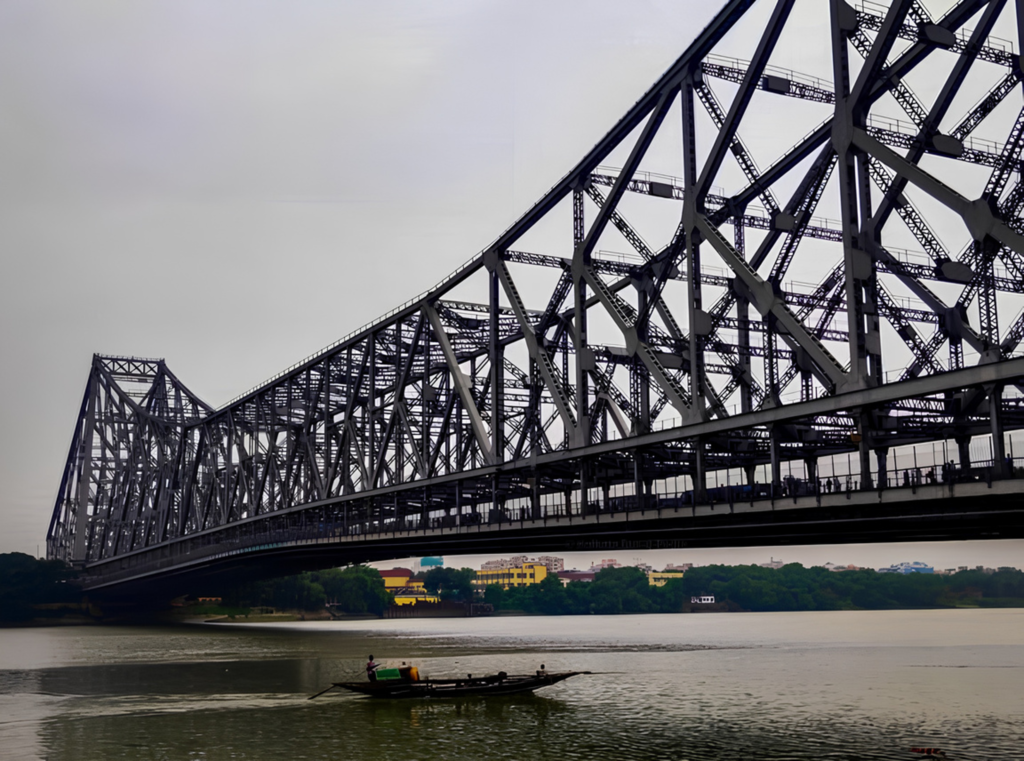
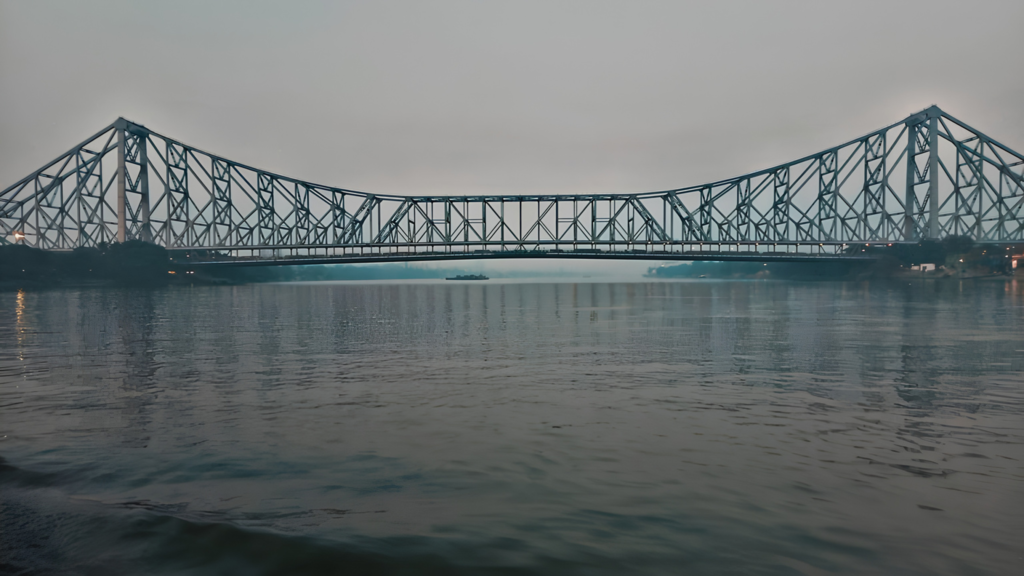
Howrah Bridge is Kolkata’s steel giant, crossing the Hooghly River with a constant flow of taxis, buses, hand-carts and walkers. Beside it, Mullick Ghat flower market turns into a sea of marigolds and roses at dawn.
Best for: Sunrise photos, people-watching and a river-side morning walk.
Travel note: The bridge area is crowded and photography near some structures may be restricted. Follow signs and keep your phone secure.
College Street: the book lane
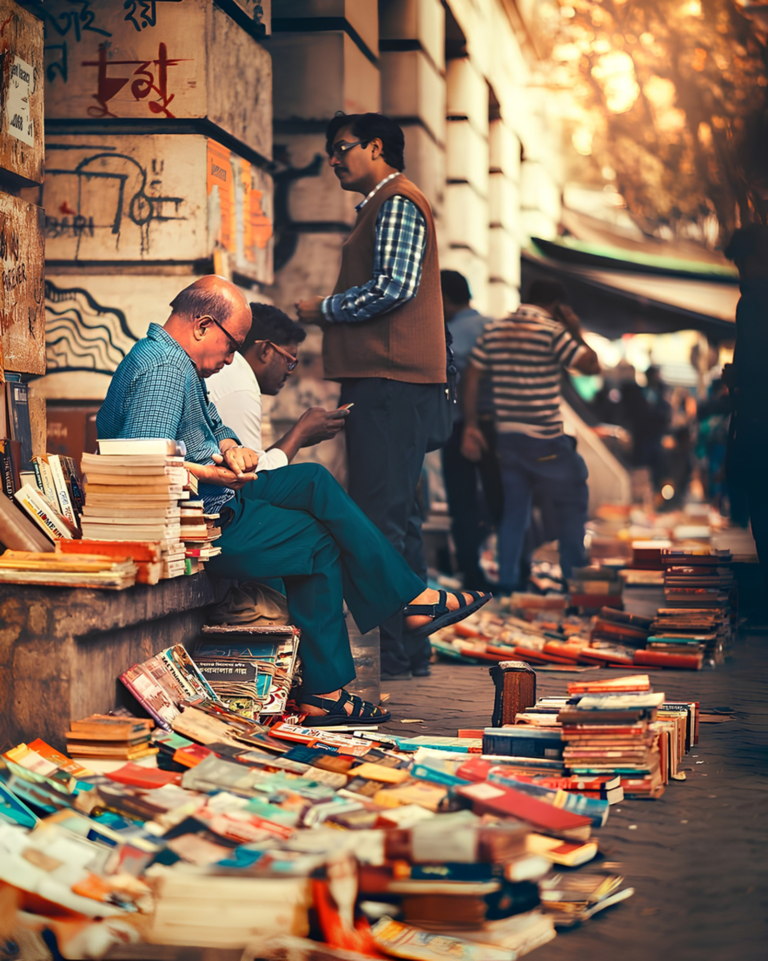
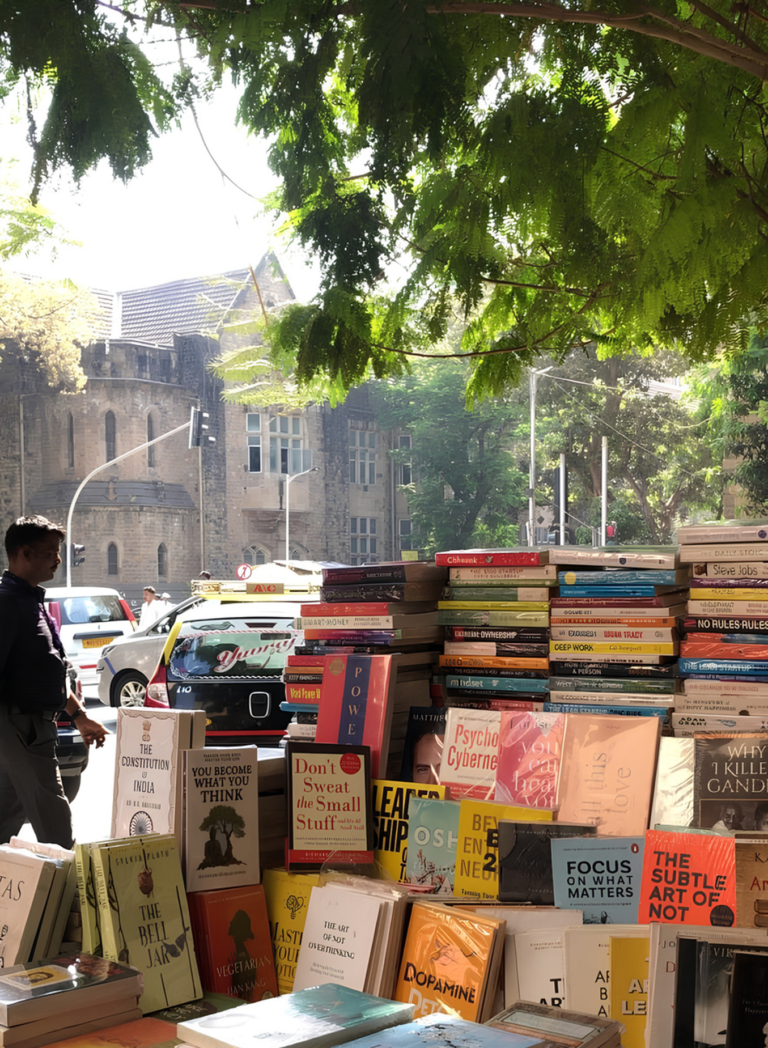
College Street, known as Boi Para, is a long stretch of bookstalls and old shops selling everything from school textbooks to rare second-hand novels. Nearby, the Indian Coffee House is famous for its high-ceilinged hall and long conversations called adda.
Best for: Book lovers, students, bargain hunters and coffee-house lovers.
Travel note: Many shops are quieter or closed on Sundays, so visit on a weekday. Walk slowly and keep your bag in front of you.
kumartuli: the idol maker's lanes
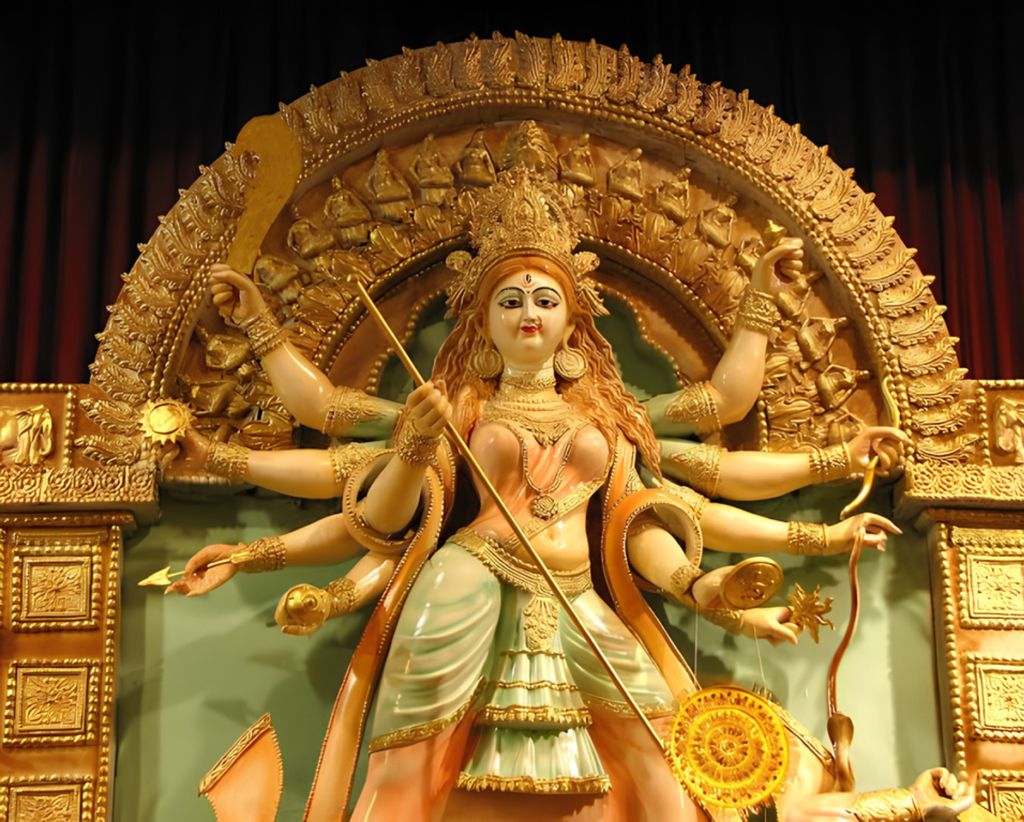
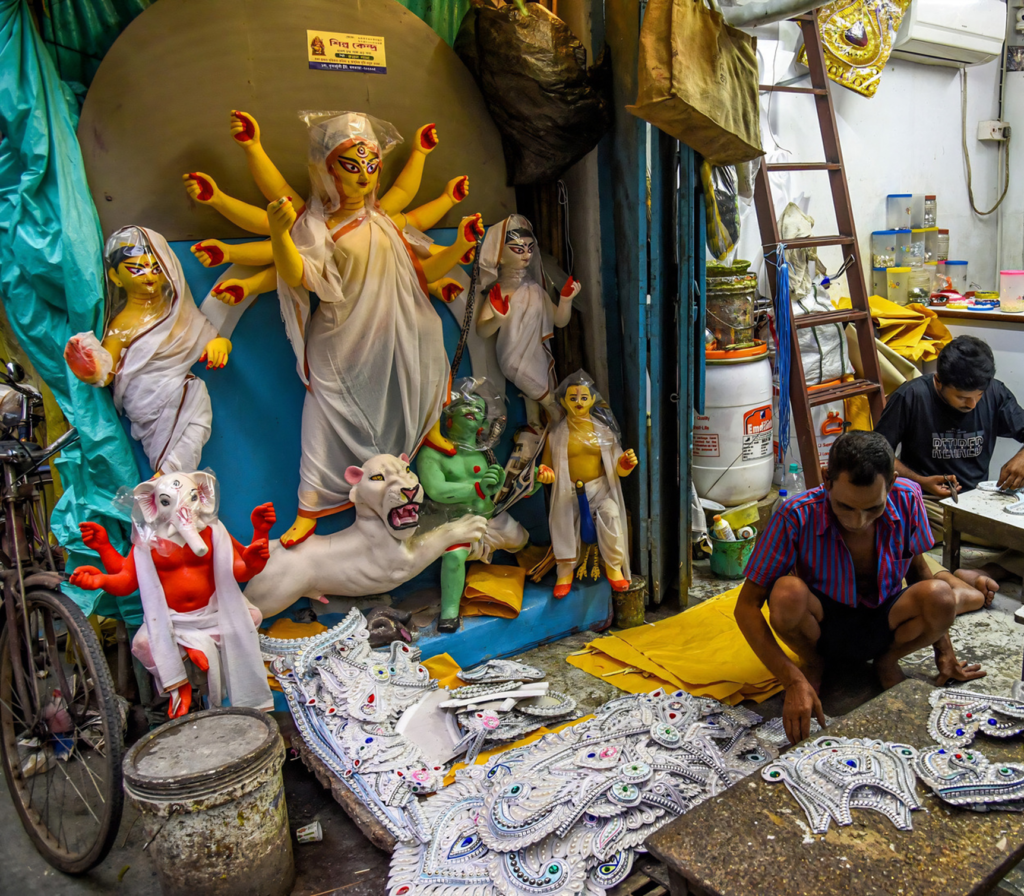
In the narrow lanes of Kumartuli, families of artists build clay idols from bamboo, straw and river clay. You can watch gods and goddesses take shape, from bare frames to painted faces, especially before Durga Puja.
Best for: Photographers, art lovers and anyone curious about living craft.
Travel note: Ask before photographing artists or studios, and never touch unfinished idols. The lanes are narrow and very busy in festival weeks.
riding the kolkata tram
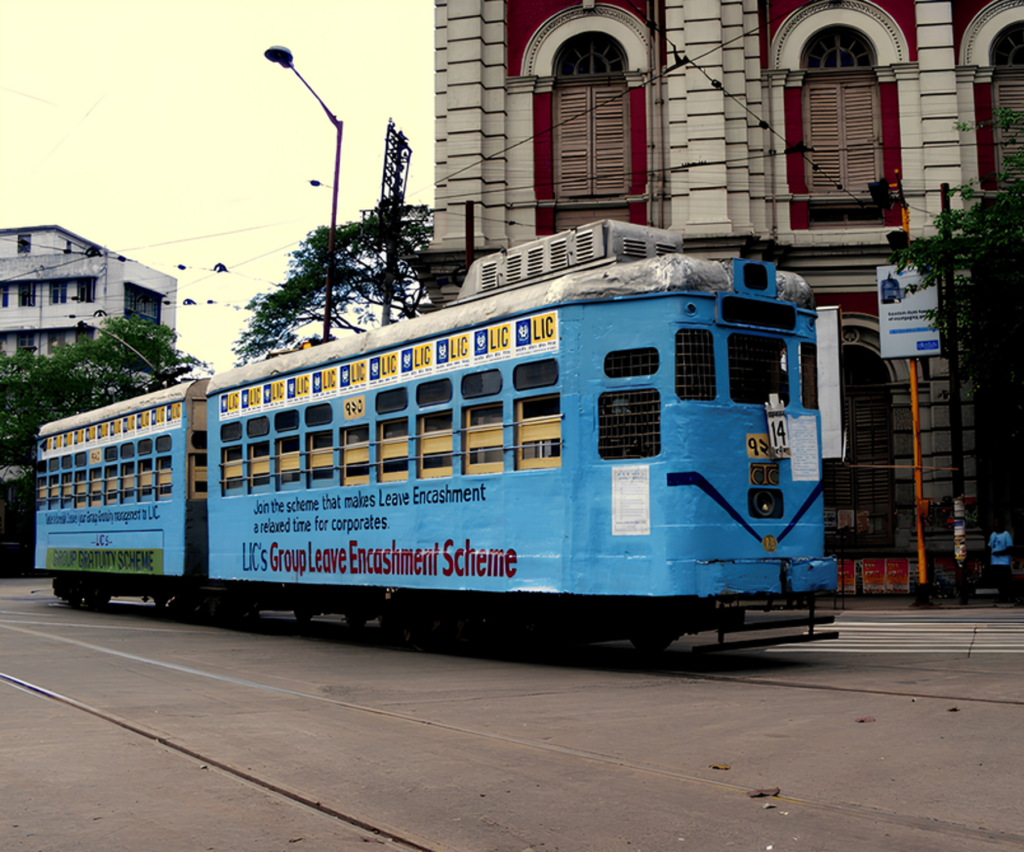
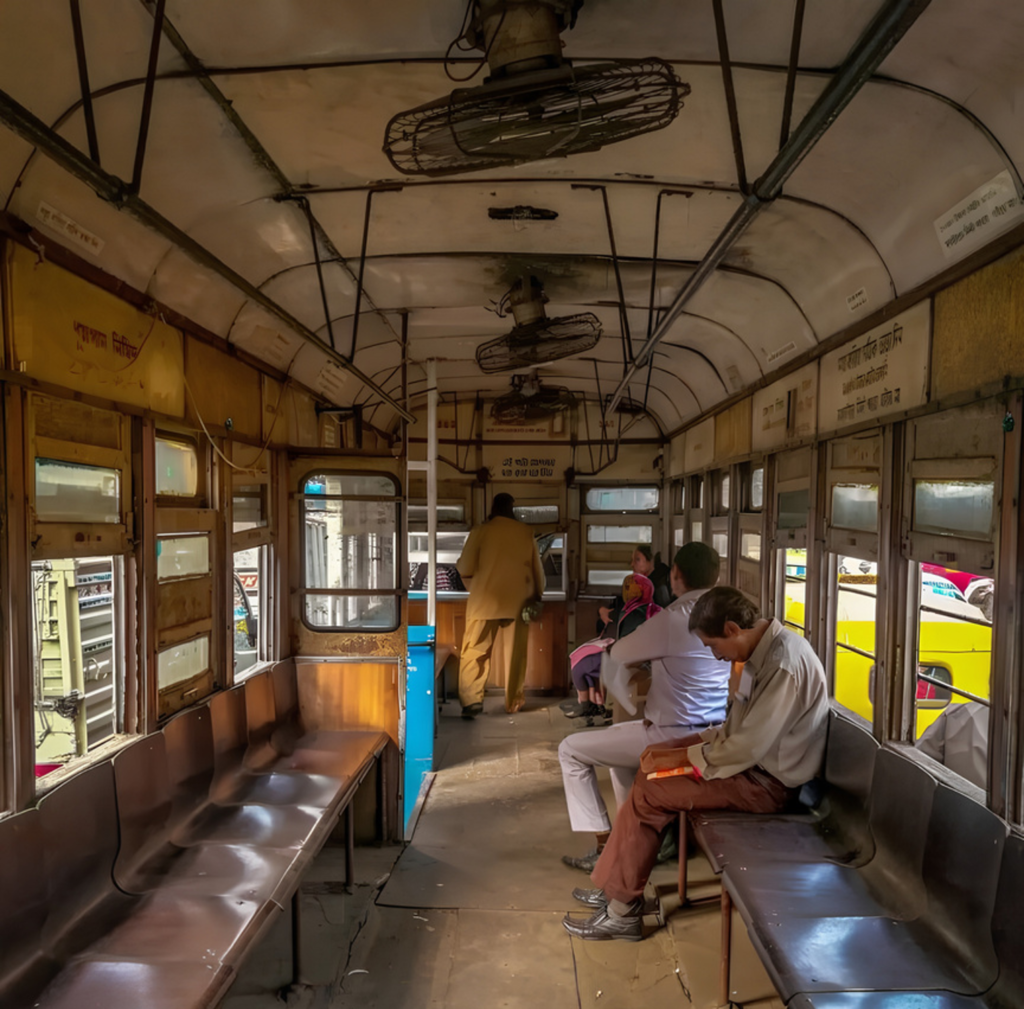
Kolkata is the only Indian city that still runs trams. A slow, rattling ride past old buildings is one of the most nostalgic things you can do here, and it costs very little.
Best for: Slow travel, photography and a relaxed city view.
Travel note: Only a limited number of tram routes operate now. Check which lines are running and avoid rush hour.
Ferry Rides, Temples and the Hooghly
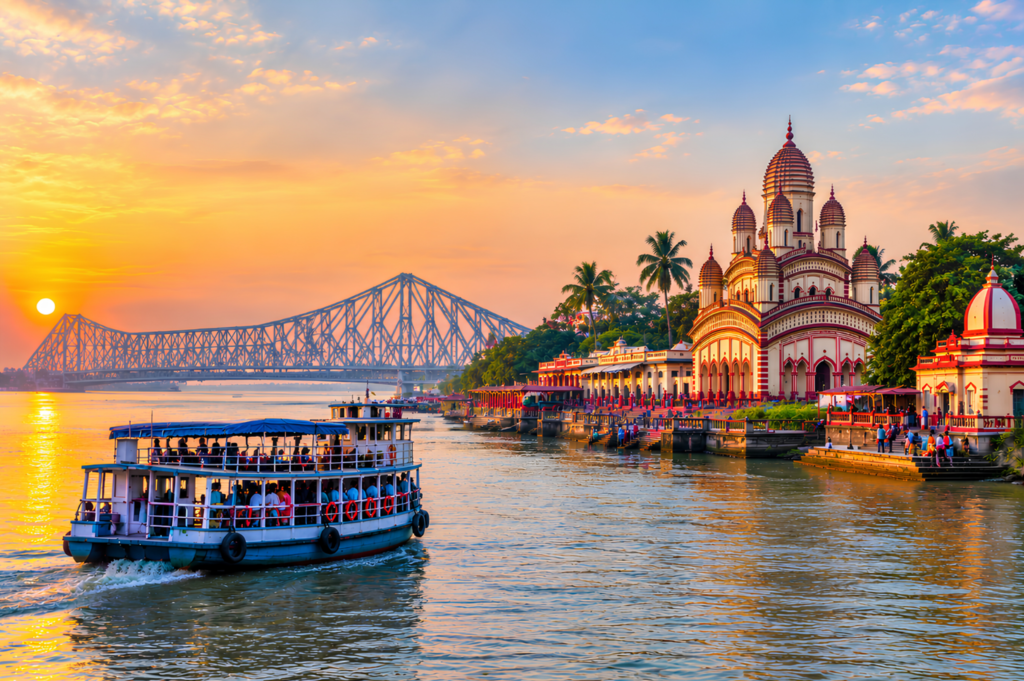
Hop on a ferry across the Hooghly River to see the city from the water. The riverside is home to Dakshineswar Kali Temple with its nine spires, and Belur Math across the river. Prinsep Ghat is a lovely place for an evening walk.
Best for: Sunset views, temple visits and calm river time.
Travel note: Dress modestly at temples, and check ferry timings and rules before you travel.
TRADITIONAL BENGALI CLOTHING
Tant saree and the red-and-white look
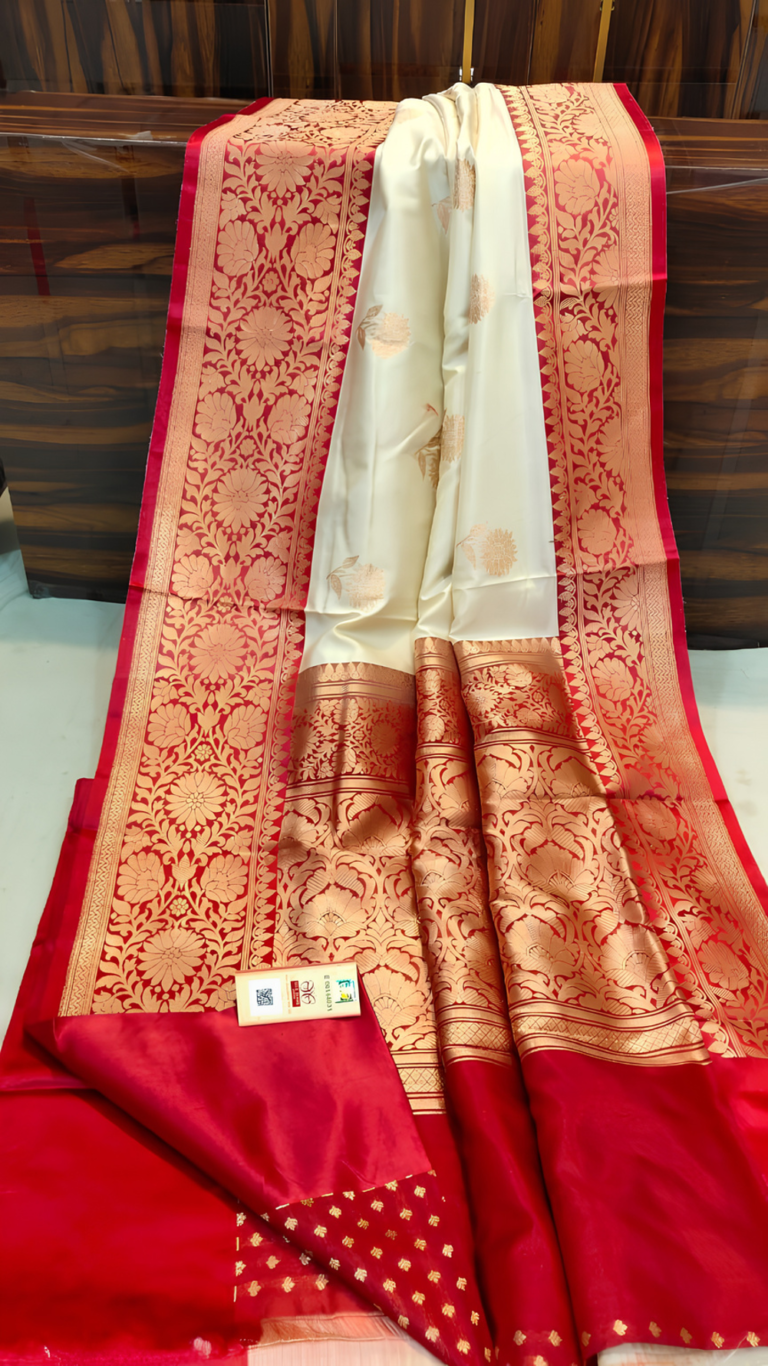
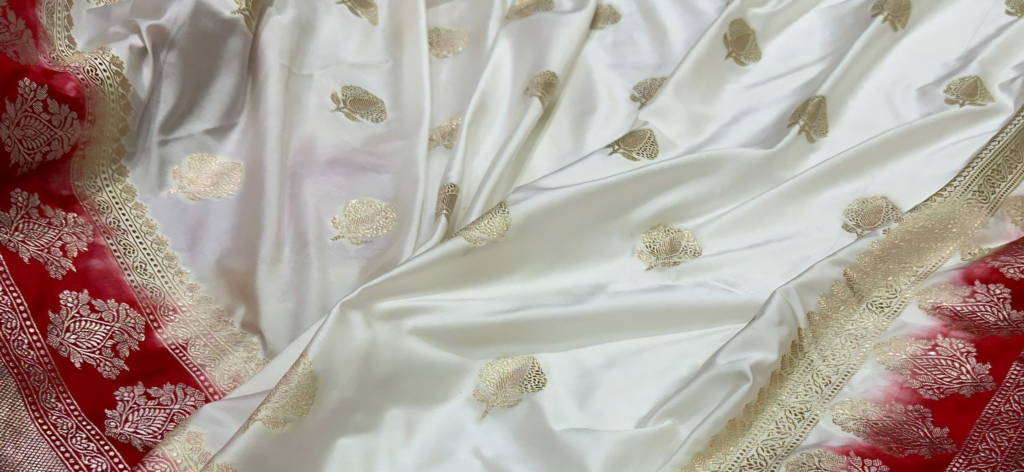
Tant sarees are light handloom cotton sarees, perfect for humid weather. The white saree with a red border (laal paar) is especially linked to Durga Puja. Baluchari and Dhakai are other famous Bengal weaves, usually worn on special occasions.
Best for: Festivals, weddings and a classic Bengali souvenir.
Travel note: Real handloom can cost more than machine copies. Ask the shop about the weaver or region.
Kantha Embroidery
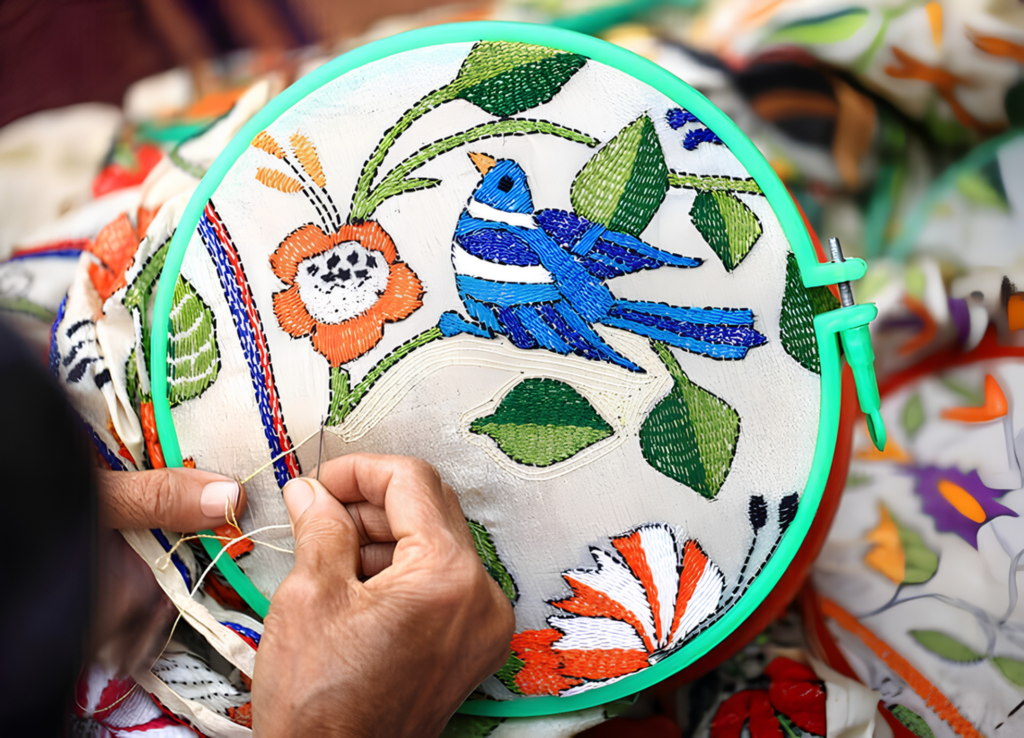
Kantha is a hand-stitched running-stitch craft, traditionally made by layering old cloth. Today it is used on sarees, scarves, jackets and bedcovers, with flowers, birds and patterns stitched by hand.
Best for: Scarves, stoles, bedspreads and gifts.
Travel note: Hand-stitched pieces take time to make, so very low prices can be a warning sign.
terracotta and dokra crafts
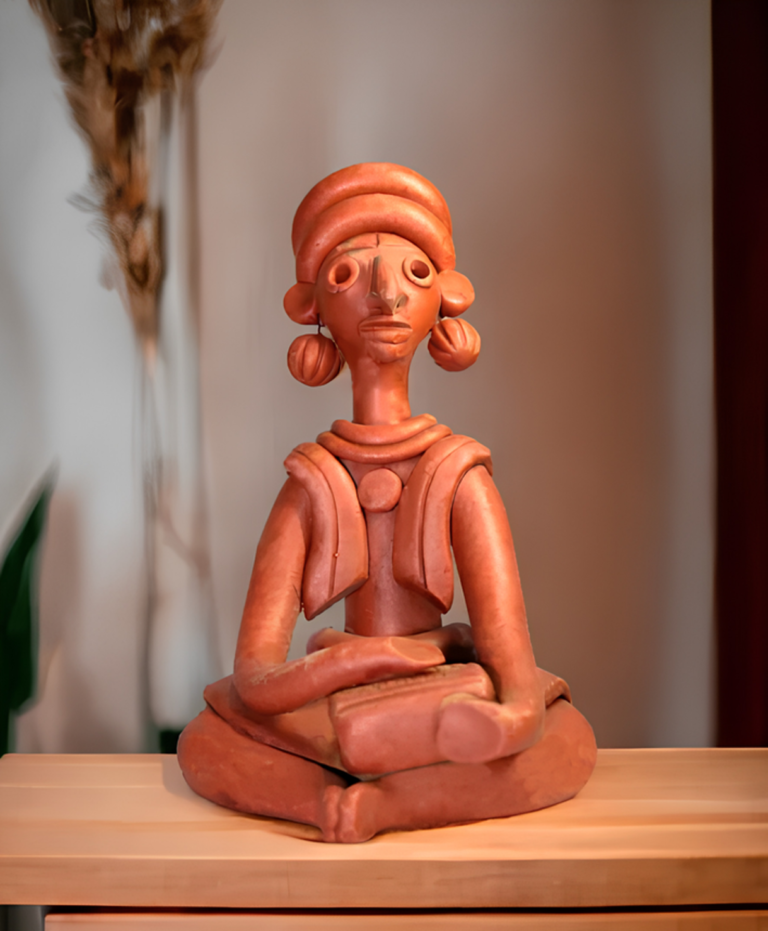
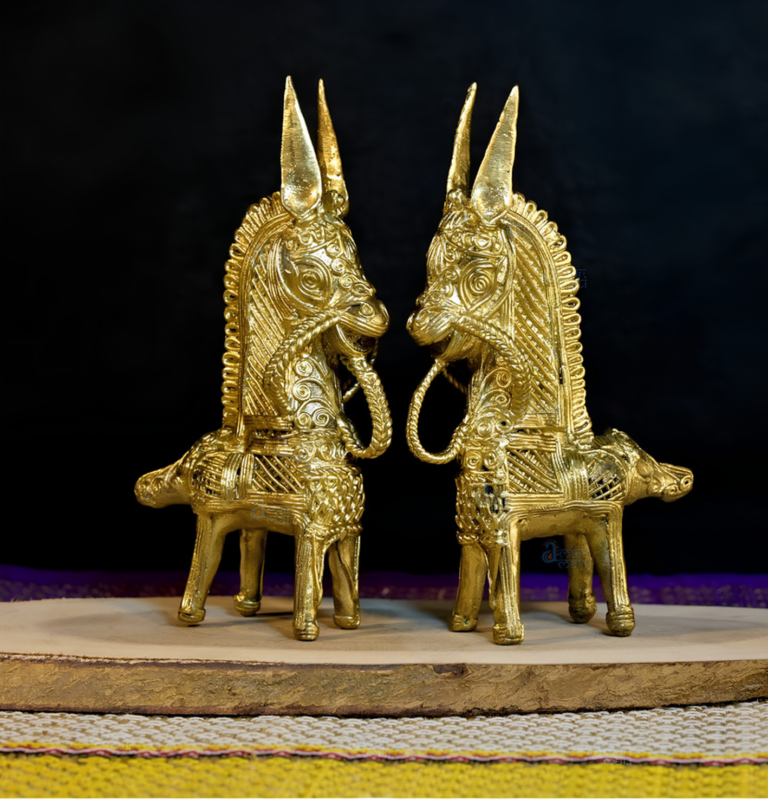
Bengal is famous for handmade terracotta figures and dokra, a metal craft made using the lost-wax method. Look for small horses, animals and decorative pieces that are easy to pack.
Best for: Home décor and unique gifts.
Travel note: Buy from government emporiums or trusted craft shops, and ask about the artisan or region.
best time to visit
winter | November to february
Bengal is famous for handmade terracotta figures and dokra, a metal craft made using the lost-wax method. Look for small horses, animals and decorative pieces that are easy to pack.
Best for: Home decor and unique gifts.
Travel note: Buy from government emporiums or trusted craft shops, and ask about the artisan or region.
summer | march to may
Hot and humid, with sudden evening thunderstorms. Crowds are smaller and prices are lower. Poila Boishakh, the Bengali New Year in mid-April, is a lively cultural moment.
Best for: Budget travellers and culture lovers.
Travel note: Sightseeing early morning or late afternoon and drink plenty of water.
summer | march to may
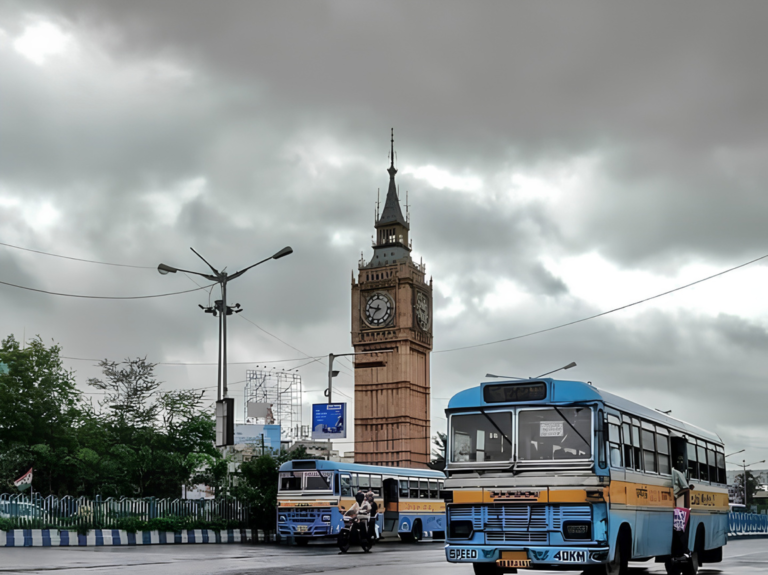
The city turns green and fresh, and rainy-day snacks like telebhaja and khichuri taste even better. Rain can be heavy, so plan flexible days.
Best for: Quiet travel and cosy food stops.
Travel note: Roads can flood for a few hours. Prefer the Metro and carry an umbrella.
durga puja season | usually september-october
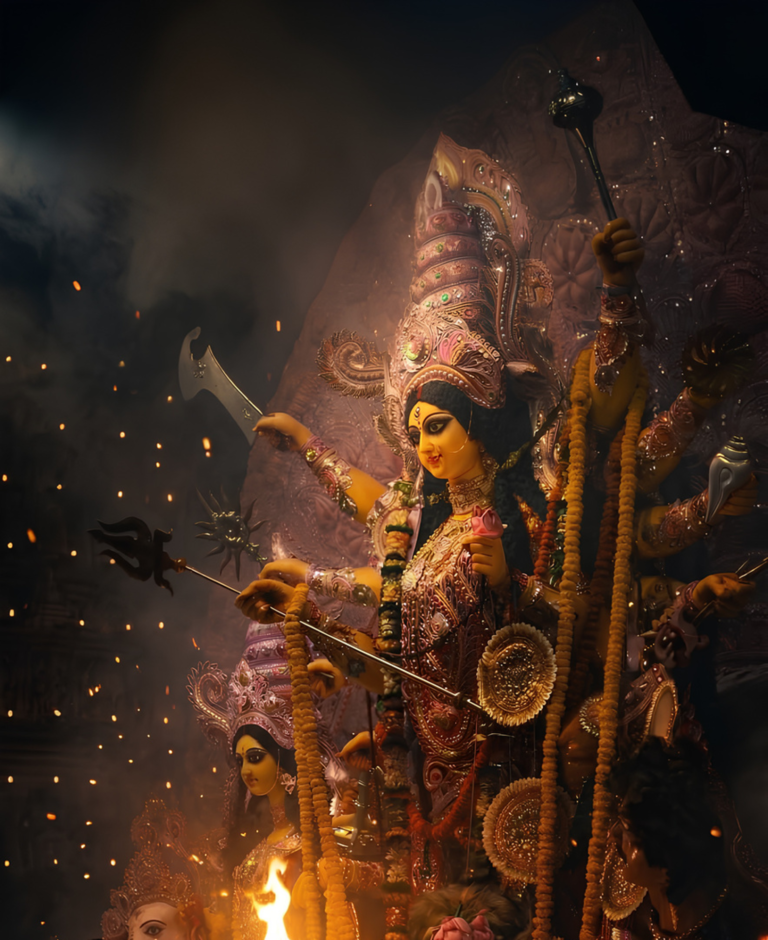
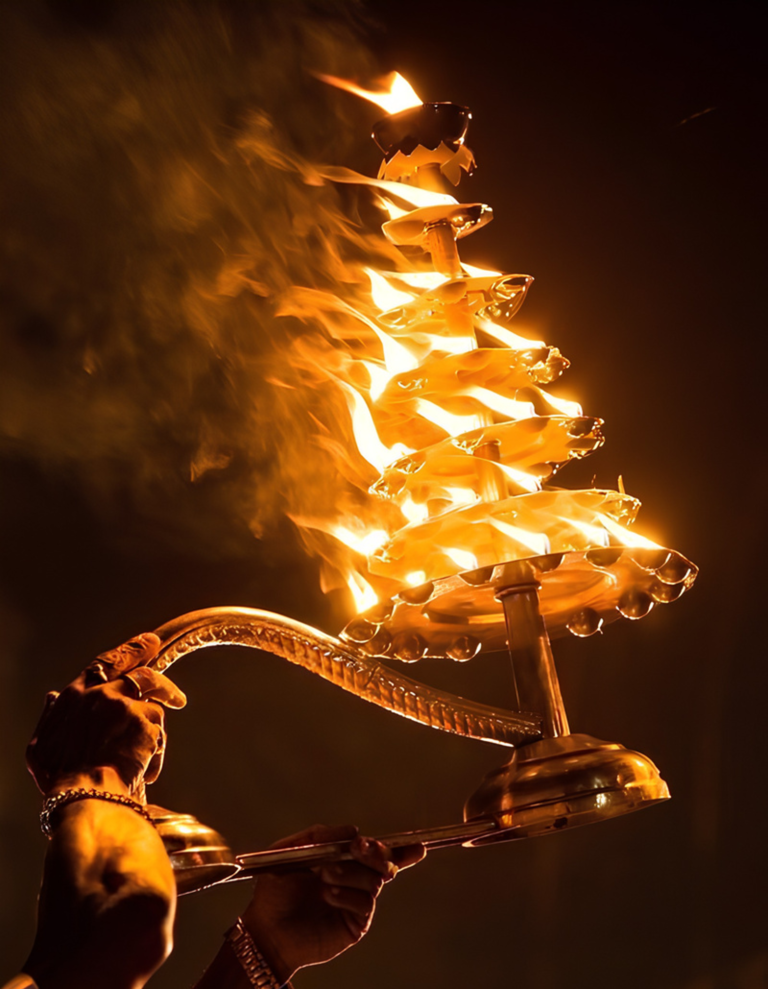
Kolkata at its brightest: giant themed pandals, glowing lights, drums, new clothes and food on every street. UNESCO has recognised Durga Puja in Kolkata as intangible cultural heritage.
Best for: Culture lovers, photographers and festival fans.
Travel note: Dates change every year. Book hotels and trains well in advance, expect big crowds and dress respectfully.
responsible travel tips for kolkata
Respect local customs: Ask before photographing people, artists and religious ceremonies.
Support local businesses: Eat at local stalls, buy from artisans and use trusted guides.
Be careful in crowds: Keep your bag in front and your phone safe in markets and temples.
Travel thoughtfully: Avoid littering, carry a reusable bottle and use the Metro when you can.
Explore beyond sightseeing: A tram ride, a cup of bhar chai or a chat with a bookseller can make the trip special.
Final Thoughts: Experience Kolkata Beyond the Ordinary
Kolkata is a city that leaves a lasting impression through its rich history, artistic spirit, delicious food, and warm hospitality. From the iconic Howrah Bridge and peaceful Hooghly River to the lively streets, traditional markets, and grand Durga Puja celebrations, every corner offers something memorable. Whether you are exploring historic landmarks, tasting authentic Bengali cuisine, shopping for a beautiful Tant saree, or enjoying a cup of chai at a local tea stall, Kolkata invites you to experience its unique charm at your own pace.
The best way to discover the City of Joy is to look beyond its famous attractions and connect with its everyday life. Travel responsibly, respect local traditions, support local businesses, and leave every place as beautiful as you found it. Kolkata is more than a destination—it is an experience filled with culture, creativity, and unforgettable moments.