

Get Inspired

My Books


Travel Guides

About Me
India
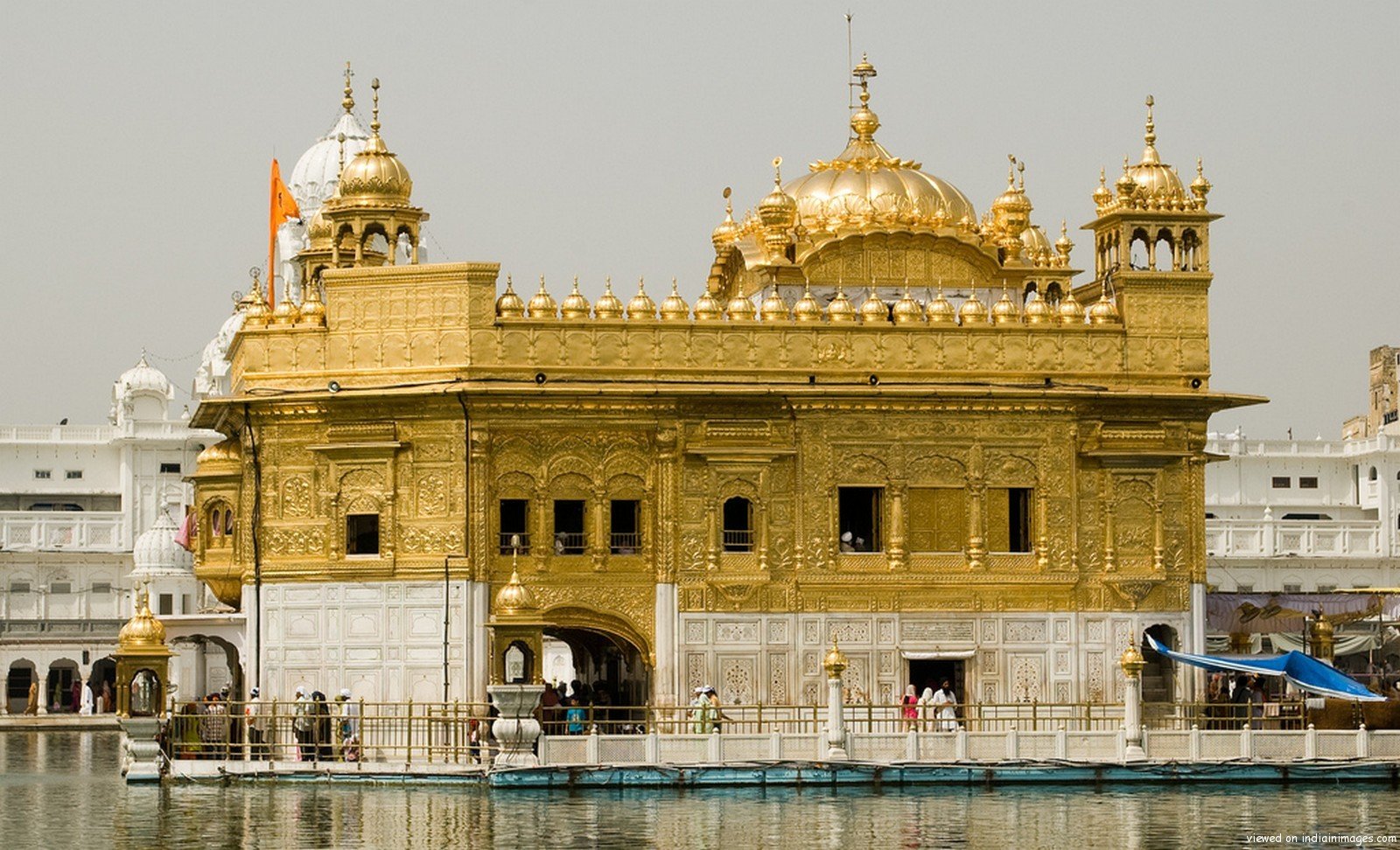
India isn’t a country you simply visit, it’s one you experience in layers. Few destinations pack in this much contrast: Mughal-era forts standing a few streets from glass office towers, Himalayan peaks in the north giving way to palm-lined beaches in the south, and a cuisine, language, and culture that shifts noticeably every few hundred kilometres. It’s a country that rewards travelers who come with some flexibility and curiosity, whether you’re backpacking on a tight budget, planning a two-week highlights trip, or building a slower route through one region at a time.
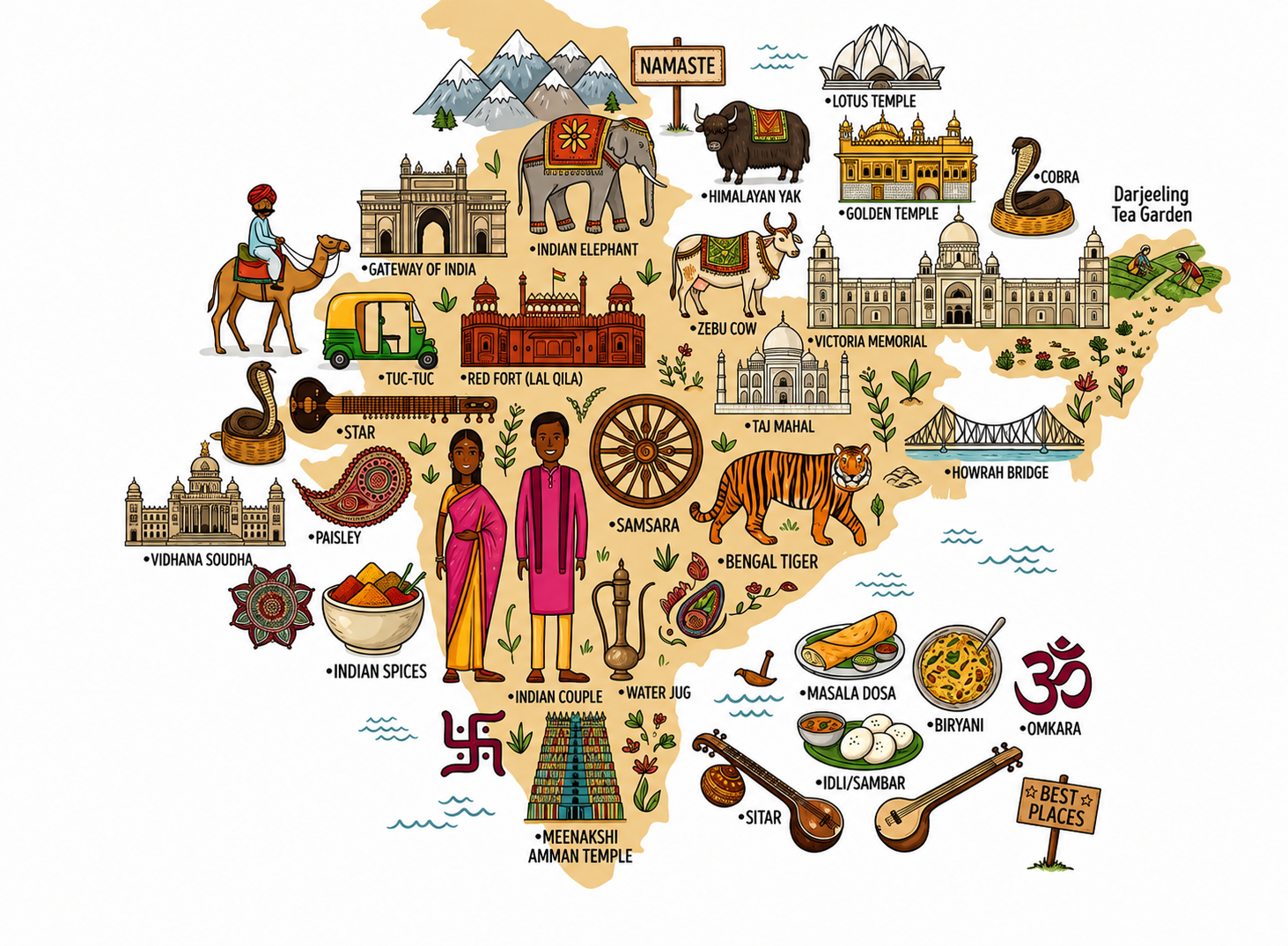
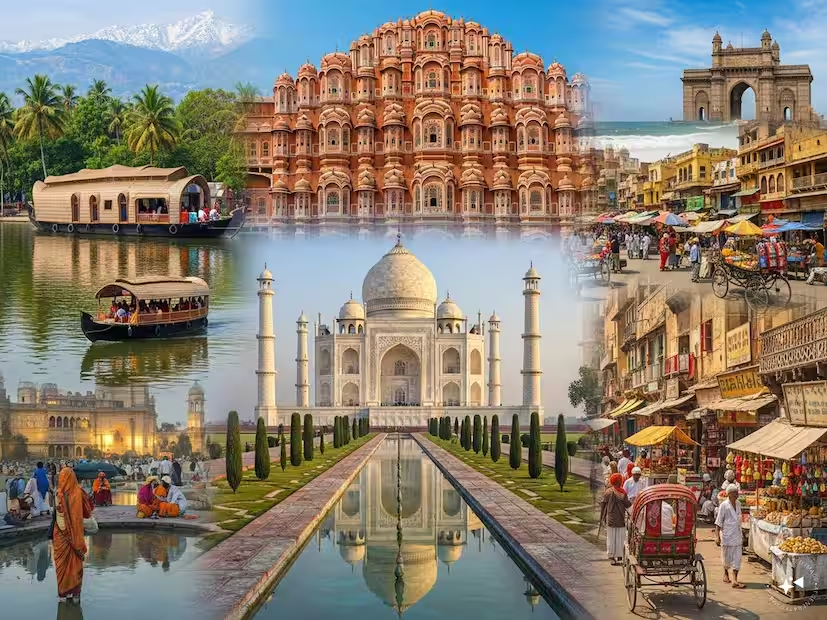
Expect India to challenge your senses in the best way. Cities like Delhi, Jaipur, and Varanasi are full of centuries-old architecture, from Mughal tombs and forts to temple complexes and colonial-era buildings, often standing right alongside busy markets and everyday street life. Food is a highlight wherever you go: regional cooking varies enormously, from the wheat-based dishes of the north to the rice, coconut, and seafood-driven cuisine of the south. Beyond the cities, the landscape shifts just as dramatically, from Himalayan foothills and high-altitude desert in the north to tea-covered hills in the northeast and tropical coastline in Goa and Kerala. Wildlife lovers can look for tigers, elephants, and rhinos in national parks around the country, and the festival calendar is packed year-round, with celebrations like Diwali and Holi transforming entire cities (see our piece on India’s heritage and tourism day). Because India is so regionally distinct, the culture, food, and pace of travel can feel completely different depending on which part of the country you’re in.
THINGS TO SEE AND DO IN INDIA
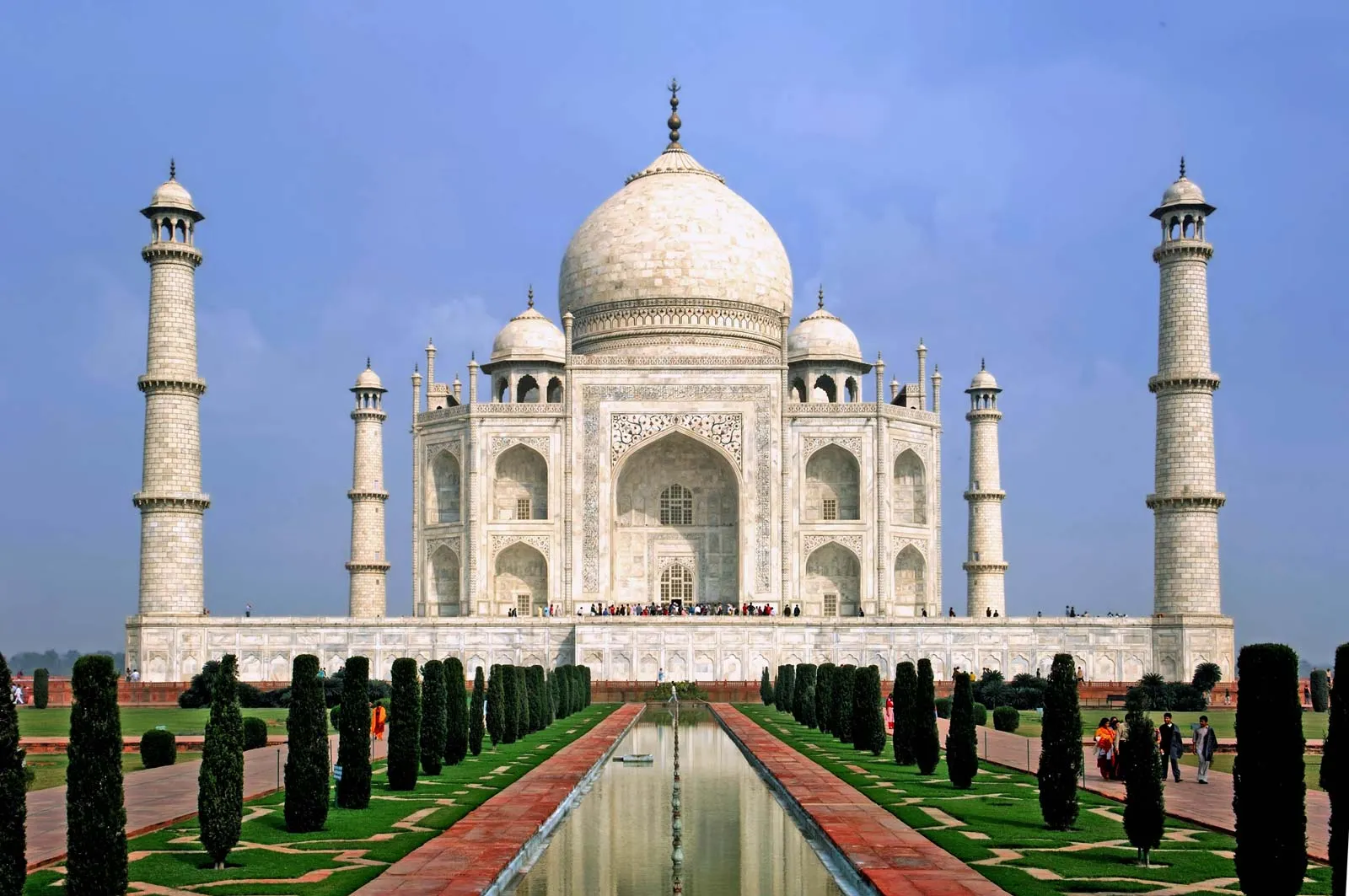
Watch the sunrise at the Taj Mahal in Agra
Take a sunset boat ride on the Ganges in Varanasi
Explore the forts and palaces of Rajasthan
Wander the spice markets and old lanes of Old Delhi
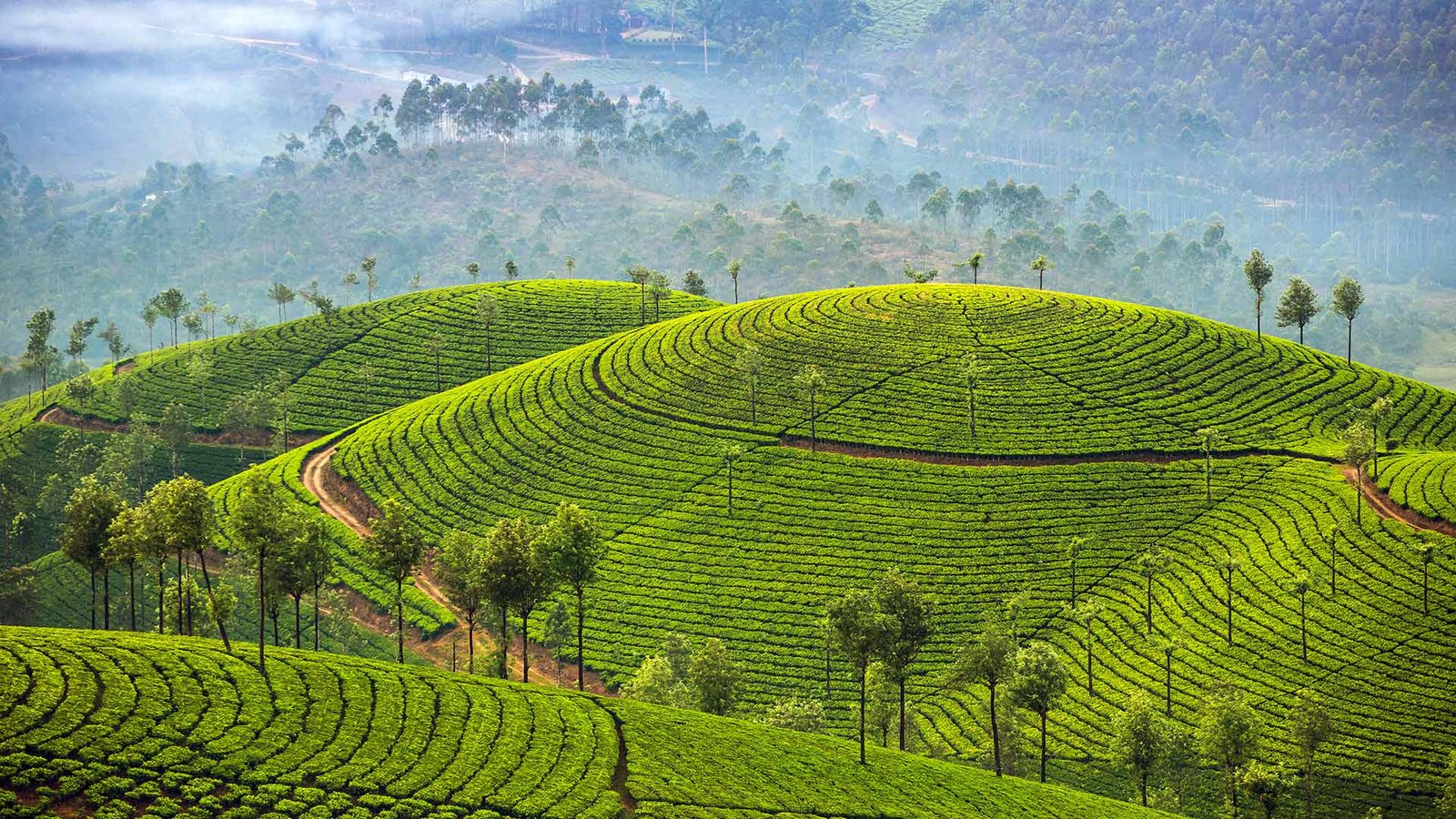
Cruise the Kerala backwaters on a houseboat
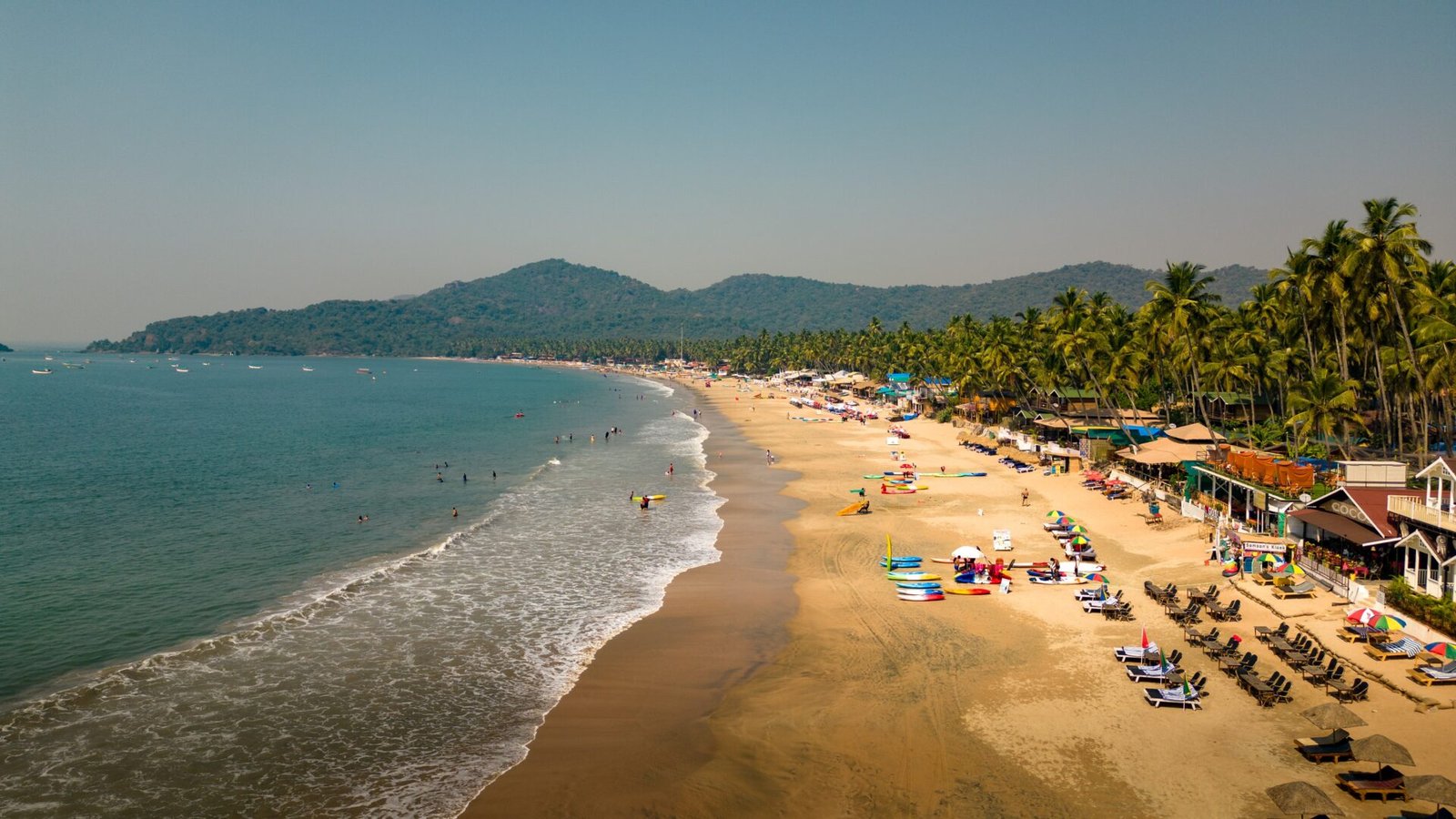
Relax on the beaches of Goa
Go on a wildlife safari in a national park
Trek in the Himalayan foothills of Himachal Pradesh or Uttarakhand
TYPICAL COSTS WHEN TRAVELLING
Accommodation – Budget hostel dorms and basic guesthouses typically run in the range of a few hundred to around 600 rupees a night (roughly $5-8 USD), while comfortable mid-range hotels with breakfast tend to land somewhere between 2,000 and 3,500 rupees (around $25-45 USD). At the higher end, heritage properties and 5-star hotels can run well over $150-200 USD a night. Prices vary a lot by city, Mumbai, Delhi, and Goa in peak season are noticeably pricier than smaller towns, so treat these as a general starting point rather than fixed numbers.
Food – Eating at local dhabas and street stalls is extremely affordable, often just a couple of dollars for a filling meal, and it’s some of the best food you’ll have in the country. Sit-down restaurants aimed at travelers cost more, and hotel or fine-dining meals in bigger cities can add up quickly. As a rough guide, budget travelers eating mostly local food might spend somewhere around $3-6 USD a day, while a mix of restaurants and street food in the mid-range tends to run closer to $10-15 USD a day.
Transportation – Local transport (buses, metro, auto-rickshaws) is cheap almost everywhere, usually just a dollar or two for short trips within a city. Longer intercity journeys vary widely depending on the option: sleeper trains and buses are budget-friendly, while flights and private cars cost significantly more. Booking a few days ahead for trains, especially on popular routes, is worth it, seats can sell out.
Suggested daily budget – As a rough approximation, backpackers who stay in hostels, eat mostly local food, and use public transport can often get by on somewhere in the range of $20-35 USD a day, while a more comfortable mid-range trip (private rooms, a mix of restaurants, and the occasional taxi) tends to land closer to $50-90 USD a day. These are only general starting points: actual costs shift a lot depending on which cities you visit, the season, and your travel style, and using the money-saving tips below can bring your daily spend down further.
MONEY SAVING TIPS
1
Get the menu of the day
Many restaurants, especially in tourist areas, offer a fixed thali or menu of the day that's cheaper than ordering a la carte and usually gives you a good sample of local dishes.
2
Ride with Uber
In larger cities, ride-hailing apps like Uber or Ola are widely available and tend to be more transparent on price than flagging down a rickshaw, especially if you're not used to negotiating fares.
2
Book sleeper trains in advance
Indian Railways sleeper and AC classes are a comfortable, budget-friendly way to cover long distances overnight, but popular routes fill up, booking a few days ahead (or as early as you can) helps you avoid paying more for last-minute options.
3
Get city passes
If you're planning to visit several paid sights in one city, look into combined entry tickets, several major sites in places like Delhi and Agra offer bundled pricing that works out cheaper than paying individually.
4
Couchsurf
For longer trips, platforms like Couchsurfing can cut accommodation costs to zero while connecting you with locals who often have great recommendations, just use the same safety precautions you would anywhere else, like checking reviews and meeting in public first.
4
Eat where the locals eat
Busy stalls and dhabas frequented by locals are usually a sign of fresh, quickly-turned-over food, and they're almost always cheaper than restaurants set up for tourists.
MY MUST HAVE GUIDES FOR TRAVELING
Everything you need to know before traveling to India, from practical planning advice to first-hand guides on specific destinations.
BEST PLACES TO VISIT IN INDIA
Delhi is where most trips begin, a sprawling capital where Mughal-era monuments like the Red Fort and Humayun’s Tomb sit close to colonial New Delhi and some of the country’s best street food. If you want to go deeper, try an authentic Indian cooking class in New Delhi. See our Delhi guide for more.
Agra, a short trip from Delhi, is home to the Taj Mahal along with Agra Fort and the abandoned Mughal city of Fatehpur Sikri.
Jaipur, the Pink City, anchors Rajasthan with its hilltop forts, City Palace, and busy bazaars selling textiles and jewelry. Read more about Jaipur.
Varanasi is one of the world’s oldest continuously inhabited cities, best known for its ghats along the Ganges River, where daily rituals and evening aarti ceremonies draw travelers and pilgrims alike.
Goa offers a different pace entirely: beaches, laid-back guesthouses, and a mix of Portuguese-influenced old towns and lively coastal nightlife. Explore Goa.
Kerala, in the south, is known for its backwaters (best explored by houseboat), tea plantations in the hills, and Ayurvedic wellness traditions. Plan a Kerala trip.
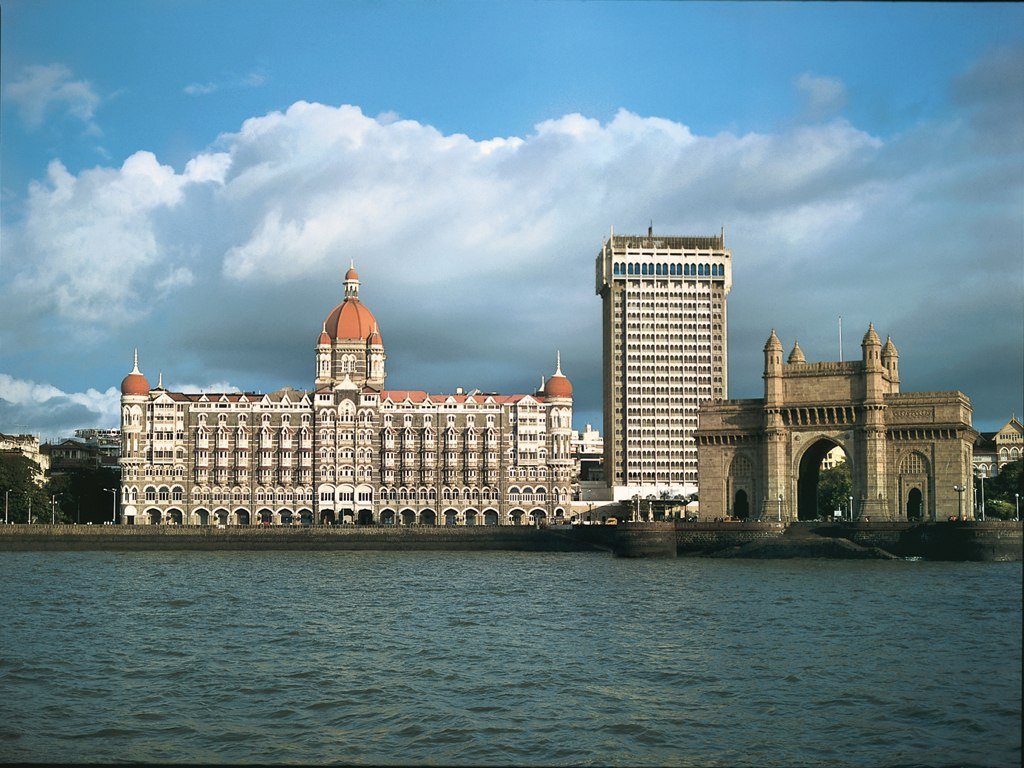
Mumbai is India’s largest city and financial hub, with colonial architecture around the Gateway of India, Bollywood culture, and some of the country’s best restaurant scenes.
Rajasthan beyond Jaipur has plenty more to offer, including the lake city of Udaipur, the desert town of Jaisalmer, and the blue-painted streets of Jodhpur.
Himachal Pradesh and Uttarakhand, in the Himalayan foothills, are popular for hill stations, trekking routes, and yoga towns like Rishikesh.
Ladakh, high in the northern mountains, is a starkly beautiful, high-altitude region popular with travelers looking for monasteries, mountain passes, and a slower, more remote pace.
Northeast India remains one of the country’s least-visited regions, with tribal cultures, living root bridges in Meghalaya, and tea estates in Assam.
Tamil Nadu and Karnataka in the south are known for Dravidian temple architecture, hill stations, and cities like Chennai, Mysuru, and Hampi’s ancient ruins.
West Bengal, centered on Kolkata, offers colonial-era architecture, a strong literary and artistic culture, and access to the Sundarbans mangrove forest.
For more destinations across the country, browse our full India destination guide.

Discover Authentic Indian Cooking: A Private Culinary Workshop in New Delhi
Experience Authentic Indian Cuisine in a Warm Local Setting Discover the joy of authentic Indian cooking in a warm, welcoming home

National Tourism Day 2025: Know About the Heritage of India
Every year on January 25, India observes National Tourism Day to highlight the importance of tourism and promote the country’s

The Magic of Pushkar Fair: A Colorful Celebration of Culture and Tradition
The origins of the Pushkar Fair trace back several centuries, rooted deeply in Indian

WHEN TO VISIT INDIA
India is a big country, and best time to visit really depends on which region you’re headed to, there’s no single month that works well everywhere at once. Northern India, including Delhi, Agra, and Rajasthan, is most comfortable from around October to March, when temperatures are cooler; summers (April-June) get extremely hot, and much of the north also experiences a monsoon season roughly from June to September with heavy rain in many areas.
The Himalayan regions (Himachal Pradesh, Uttarakhand, Ladakh) are best visited in the warmer months, roughly May to September, since mountain passes and many trekking routes are snowed in or inaccessible outside that window. South India and coastal areas like Kerala and Goa have a more tropical climate year-round, with a cooler, drier season from around November to February being the most popular time to visit, while the monsoon (roughly June to September) brings heavy rain to the coast. Given how much this varies by region, it’s worth checking the specific climate for wherever you’re headed rather than assuming one season fits the whole country.
TRAVEL TIPS FOR INDIA
- Getting around: Trains are the classic way to cover long distances and a good way to see the country; domestic flights save time on longer routes, and rickshaws or ride-hailing apps work well for getting around within a city.
- Weather and packing: Pack for the season and region you’re visiting, layers for cooler winter nights in the north, breathable clothing for the heat and humidity elsewhere, and something warm if you’re heading into the mountains.
- Dress and etiquette: Modest clothing (covering shoulders and knees) is appreciated at religious sites and generally in more conservative areas, and it’s worth removing your shoes before entering temples and some homes.
- Food and water: Stick to bottled or filtered water, and be cautious with raw salads or unpeeled fruit from street vendors if your stomach isn’t used to it, busy stalls with quick turnover are usually a safer bet than food that’s been sitting out.
- Staying connected: Local SIM cards or eSIMs are inexpensive and widely available, and having reliable data makes navigation, ride-hailing, and translation apps much easier to use.
- Money and payments: UPI-based digital payment apps are extremely common, but it’s still worth carrying some cash, especially in smaller towns or for rickshaws and street food.
- Booking accommodation: Booking your first night or two in advance takes the pressure off when you land, even if you plan to book more spontaneously as you go.
- Documents and insurance: Keep photocopies (digital and paper) of your passport and visa separate from the originals, and travel insurance that covers medical care is worth having given the distances between major hospitals in some regions.
INDIA FAQ
Is India a good destination for first-time travelers? Yes, though it helps to go in with an open mind and some flexibility. India can feel intense at first, busy, loud, and full of contrasts, but that’s also what makes it rewarding. Starting with a well-trodden route like Delhi, Agra, and Jaipur is a good way to ease in.
How long should I spend in India? It depends on what you want to see, but two to three weeks is enough to comfortably cover one region in depth (say, Rajasthan, or Kerala and Goa) without feeling rushed. Shorter trips of 7-10 days work fine if you focus on one or two areas rather than trying to cover the whole country.
What is India best known for? Its diversity, historic architecture like the Taj Mahal, deeply regional food, the Himalayas in the north, tropical beaches in the south, and a festival calendar that includes Diwali and Holi.
Which regions are best for a first trip? The Golden Triangle of Delhi, Agra, and Jaipur is the classic first-timer route, since it’s well connected and covers major highlights. Kerala and Goa are a good alternative or add-on if you want a slower, beach-and-backwaters pace.
What should I pack for India? Lightweight, modest clothing for most of the year, layers if you’re traveling between seasons or regions, comfortable walking shoes, and a scarf or shawl that can double as sun protection or a head covering at religious sites.
Is it better to plan a fixed itinerary or travel more spontaneously? A mix works well, book your first few nights and any long-distance trains in advance, especially in peak season, but leave room to slow down or change plans once you’re on the ground, since distances and travel times can be longer than they look on a map.
How do I get between cities? Trains are the most popular option for covering ground and seeing the country along the way; domestic flights make sense for longer distances if you’re short on time. Book train tickets as early as you can, particularly for overnight or popular routes.
Do I need to plan around the weather? Yes, see the When to Visit India section above, since the best time to visit varies significantly by region.
0