

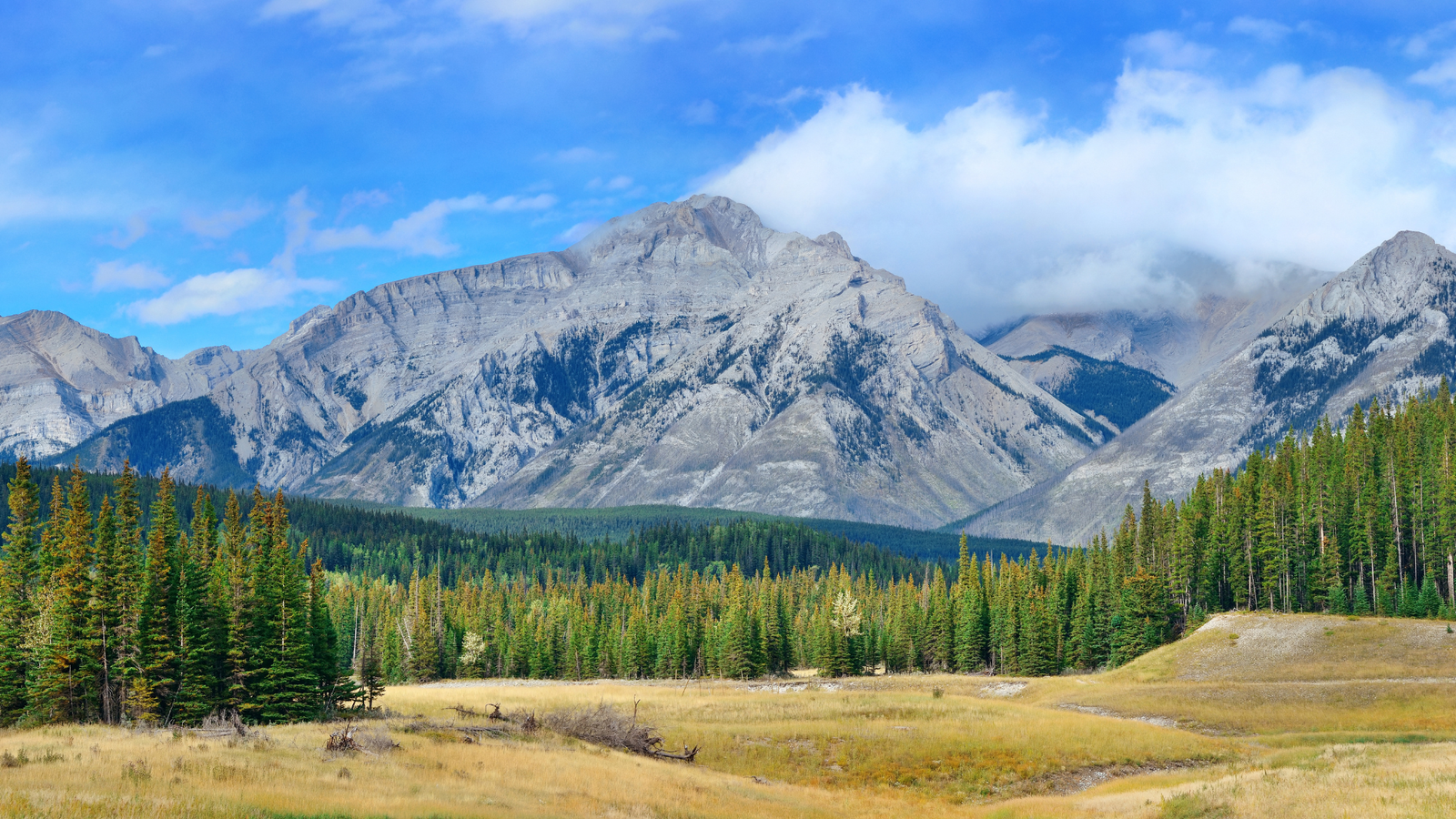
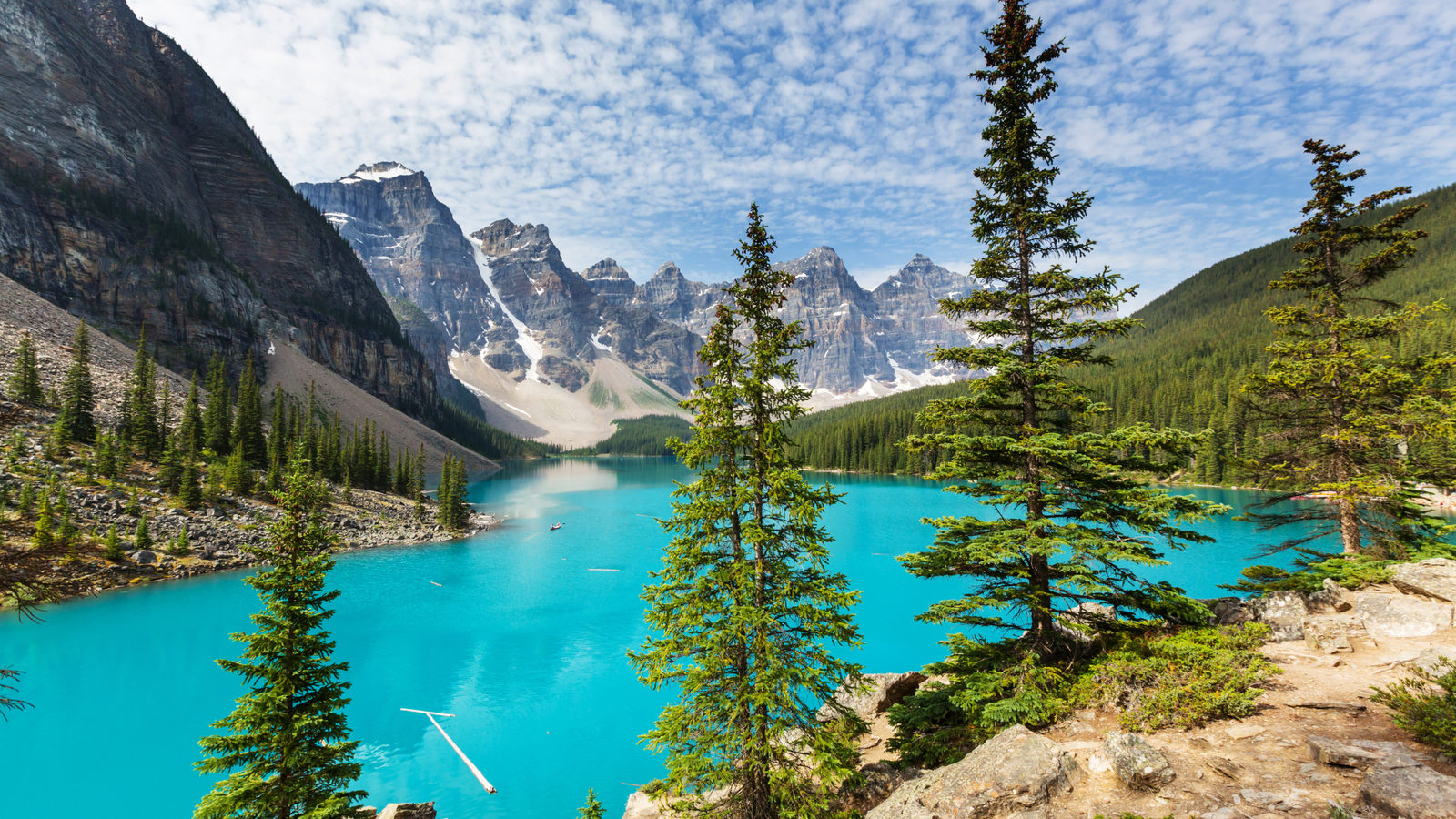
Banff National Park, located in Alberta, is Canada’s oldest national park and a UNESCO World Heritage Site. Apart from Moraine Lake, visitors can explore other majestic locations such as Lake Louise and the Bow Valley Parkway.
There are also numeroushotels at Banff Canada that offer comfortable stays amidst the stunning landscape. Whether you’re skiing in winter or hiking in summer, Banff is an outdoor enthusiast’s paradise.
Why Visit Banff National Park
Established in 1885, Banff is Canada’s very first national park and forms the heart of the Canadian Rocky Mountain Parks UNESCO World Heritage Site. What sets it apart from other mountain destinations is the sheer concentration of glacier-fed lakes, towering 3,000-metre peaks, and accessible wilderness packed into one relatively compact area — most of the park’s biggest draws sit within a 30-45 minute drive of the town of Banff itself, making it possible to see turquoise lakes, alpine meadows, and wildlife in the same day.
Things to Do and Key Attractions
Beyond Moraine Lake, Lake Louise, and the Bow Valley Parkway already mentioned above, Banff offers a wide range of activities for every season.
Hike the Iconic Trails
Trails like the Lake Louise Lakeshore walk, the Plain of Six Glaciers, and the Marsh Loop suit everyone from casual walkers to serious hikers. Peak hiking season runs from July to mid-September, when most higher-elevation trails are free of snow.
Get on the Water
Canoeing on the Bow River or taking a guided boat tour on Lake Louise lets visitors see the mountains reflected in the water — a classic Banff photo opportunity.
Spot the Wildlife
Elk, bighorn sheep, mountain goats, and occasionally black or grizzly bears can be seen throughout the park. Rangers recommend viewing all wildlife from a safe distance and never approaching or feeding animals.
Explore Banff Town
The town of Banff itself has a walkable main street lined with shops, restaurants, and the historic Banff Centre for Arts and Creativity, plus the Banff Upper Hot Springs for a relaxing soak after a day outdoors.
Best Time to Visit
Banff is genuinely a year-round destination, and the right season depends on what you want to do:
Summer (June-August) brings warm days around 15-25°C, the longest daylight hours, and full access to alpine hiking trails — this is peak season and the busiest time to visit.
Fall (September-October) offers golden larch trees, thinner crowds, and crisp temperatures dropping from around 18°C in early September to 5-10°C by October.
Winter (November-March) transforms the park into a ski destination, with three resorts, ice skating on Lake Louise, and the Banff SnowDays Festival, though temperatures regularly sit below freezing.
Spring (April-May) is a quieter transitional season with mild 5-15°C days, spring skiing at higher elevations, and lower-elevation trails opening up as snow melts.
How to Get There and Getting Around
The closest major airport is Calgary International Airport, roughly 130 km (80 miles) east of the park. From Calgary, it’s about a two-hour drive west along the Trans-Canada Highway. Travelers without a car can also book bus or shuttle services running directly from Calgary to Banff, or take the scenic Rocky Mountaineer train from Vancouver for a longer, more immersive journey through the Rockies. Once in the park, the free Roam public transit system and seasonal shuttles connect Banff town with Lake Louise and other popular sites, which helps avoid the limited parking at busy trailheads in peak season.
Travel Tips
A Parks Canada park pass is required for entry and can be purchased online or at park gates. Book accommodation and any Lake Louise or Moraine Lake shuttle reservations well in advance for summer visits, since both fill up quickly. Layered clothing is essential even in summer, as mountain weather can shift quickly from sunny to cold and rainy within the same day.
Planning more of your trip? Browse our full Canada travel guide for more destinations across the country, and don’t miss our guide to nearby Moraine Lake, one of Banff’s most iconic sights.
Pingback: Moraine Lake: A Jewel of Banff, Alberta