
Mexico Beyond the Beaches: Hidden Places, Hotels, and Culture
Mexico is a country of colourful colonial towns, ancient Maya ruins, turquoise lagoons, vibrant street markets and some of the world’s most distinctive culinary traditions. From Mexico City’s stylish cafés to Oaxaca’s traditional markets and the Caribbean coast’s crystal-clear waters, every region offers a different travel experience.
But exploring Mexico is about more than sightseeing. It’s about knowing where to stay, discovering local cafés, trying authentic
dishes, visiting lesser-known destinations and experiencing the country’s rich cultural heritage.
Hidden Places in Mexico That Deserve a Place on Your Itinerary
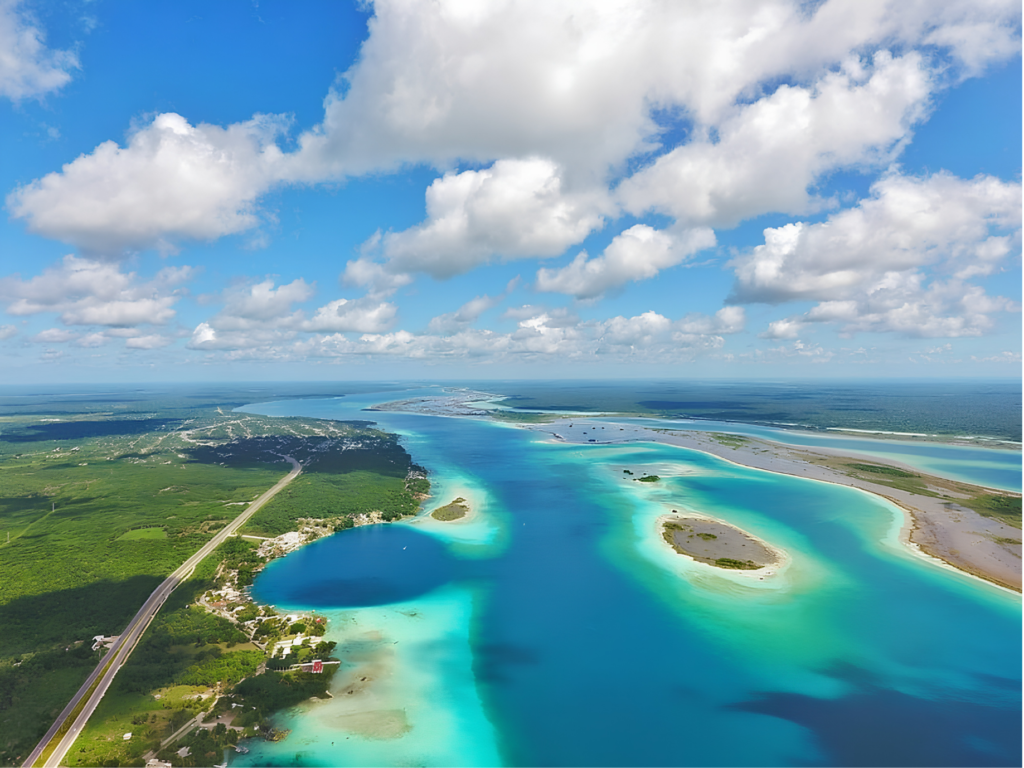
Bacalar
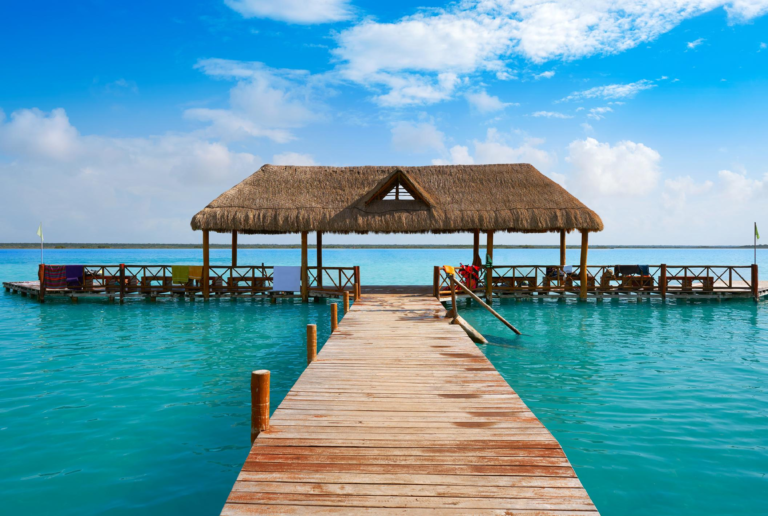
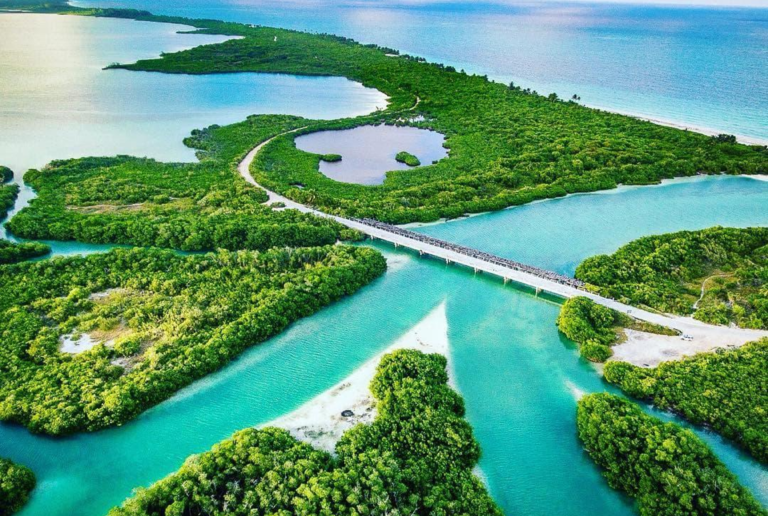
Known for its beautiful Lagoon of Seven Colors, Bacalar offers turquoise water, peaceful waterfront stays and a slower pace than Mexico’s busier beach resorts.
Don’t miss: A responsible lagoon boat tour, kayaking and sunset by the water.
Best for: Nature lovers, couples and slow travel.
Cuetzalan
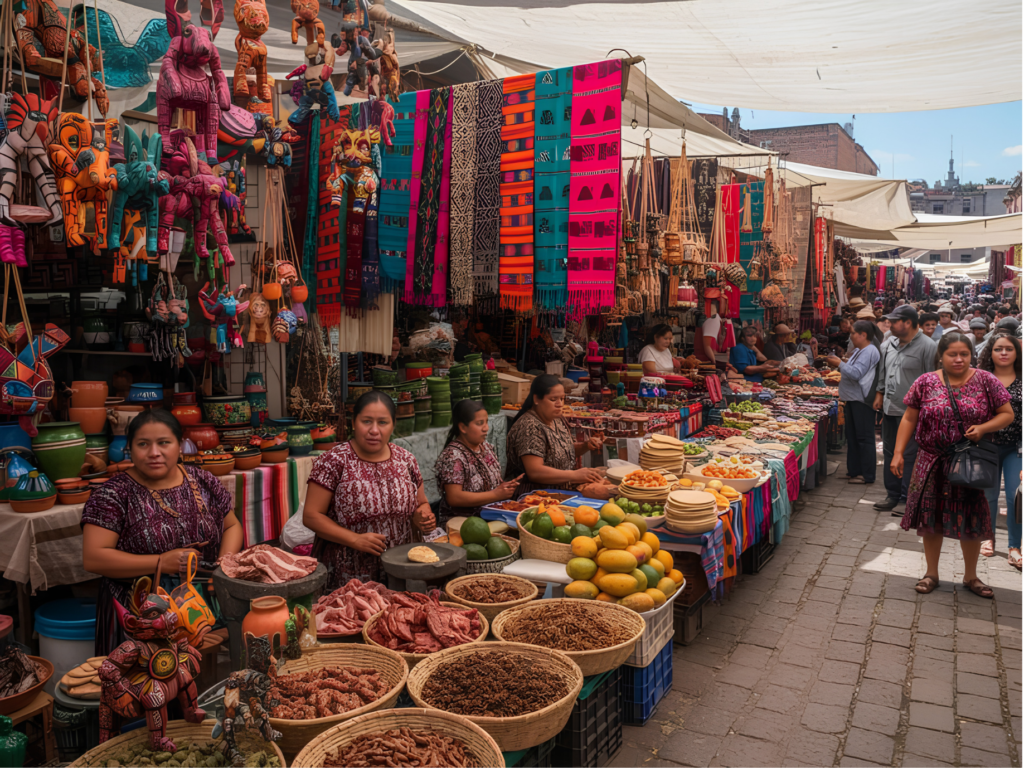
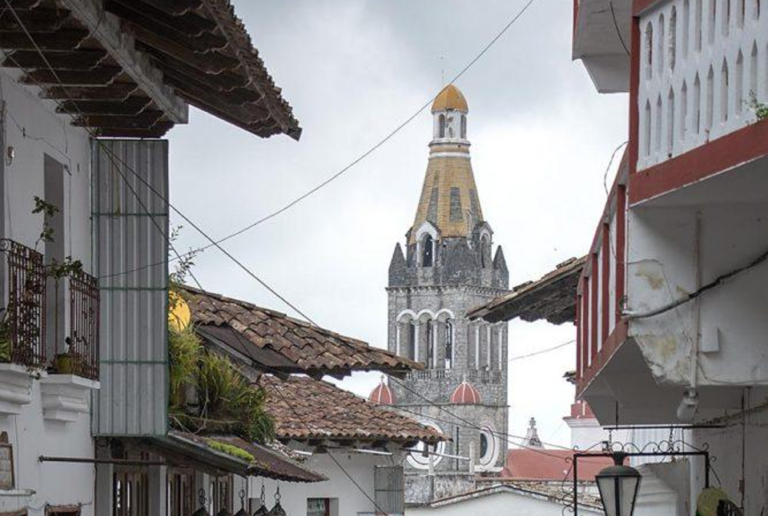
This mountain town is known for misty landscapes, traditional markets, coffee-growing communities and strong Indigenous Nahua cultural traditions.
Don’t miss: The Sunday market, nearby waterfalls and traditional cultural performances.
Best for: Culture, mountain scenery and local food.
Izamal
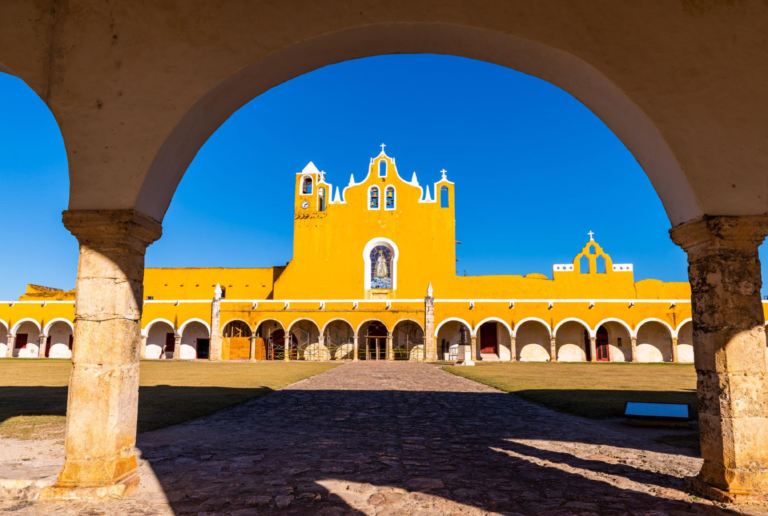
Often called the Yellow City, Izamal is known for its golden-yellow buildings, colonial architecture and Maya heritage. Its streets offer a quieter alternative to Mexico’s larger tourist centres.
Don’t miss: The Convent of San Antonio de Padua and the historic town centre.
Best for: Architecture, history and photography.
Huasteca Potosina
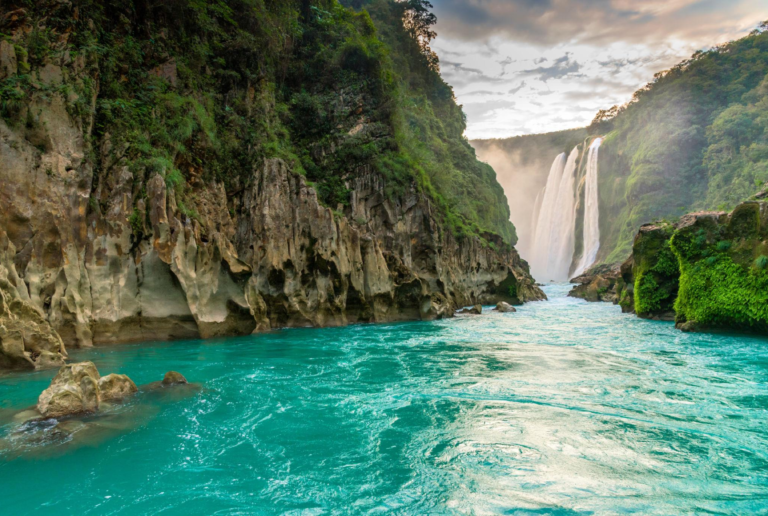
This lush region features turquoise rivers, dramatic waterfalls and tropical vegetation. It is ideal for travellers who want outdoor adventures away from conventional beach holidays.
Don’t miss: Tamul Waterfall and the region’s scenic river landscapes.
Best for: Adventure, nature and photography.
Guanajuato
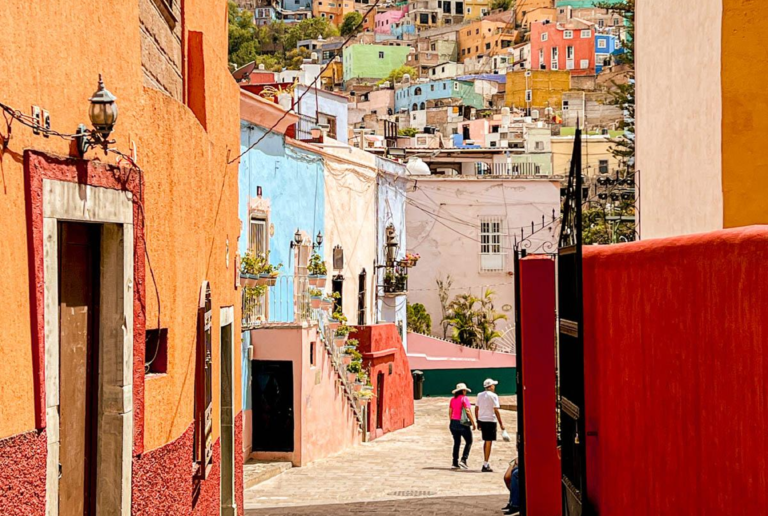
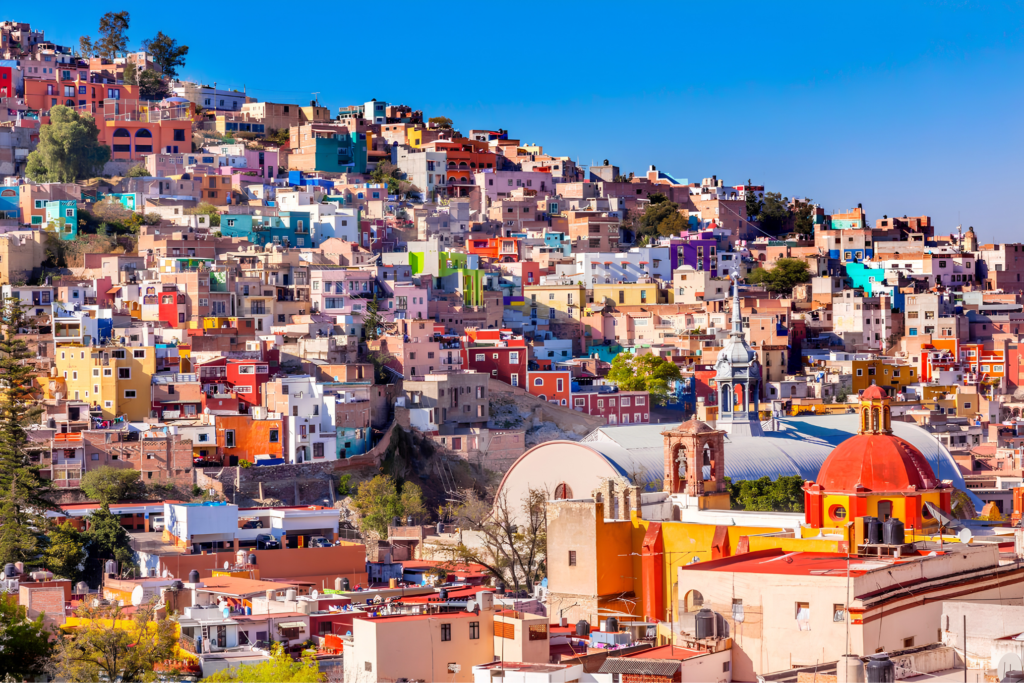
Colourful houses climb the hillsides, underground roads wind beneath the city and narrow alleys connect lively plazas. Guanajuato combines colonial charm with a lively arts and cultural scene.
Don’t miss: The historic centre, scenic viewpoints and Callejón del Beso.
Best for: Architecture, couples and city photography.
Sian Ka'an Biosphere Reserve
This protected natural area includes mangroves, wetlands, lagoons and coastal ecosystems. Guided excursions can introduce visitors to its remarkable biodiversity.
Don’t miss: A locally guided boat trip through permitted areas.
Best for: Wildlife, eco-tourism and nature lovers.
where to stay in mexico: hotels worth considering
Sofitel Mexico City Reforma
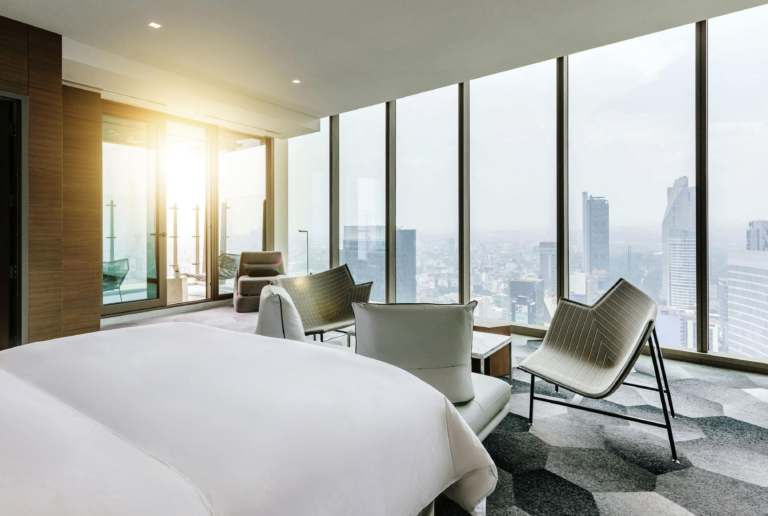
An upscale hotel on Paseo de la Reforma, suitable for travellers who want modern comforts, city views and convenient access to central attractions.
Stay here for: Luxury, city sightseeing and a stylish hotel experience.
Gran Hotel Ciudad de Mexico
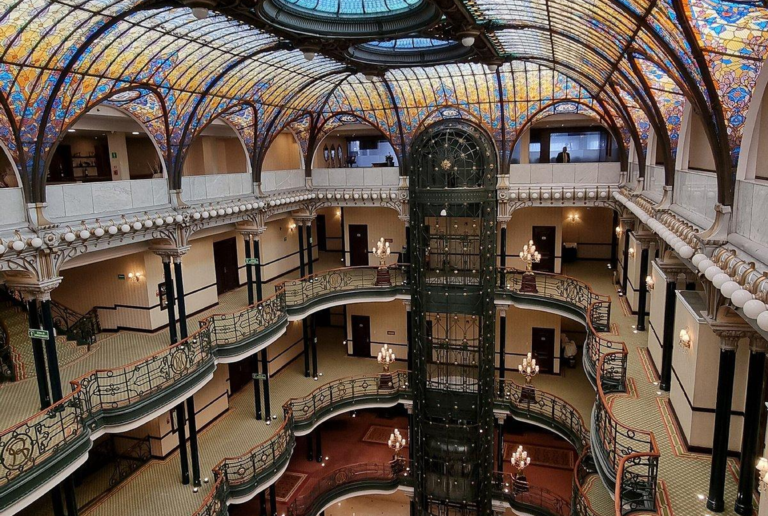
A landmark hotel known for its striking historic architecture and location overlooking the Zocalo, Mexico City’s main central square.
Stay here for: Historic surroundings, architecture and easy access to central landmarks.
Four Seasons Hotel Mexico City
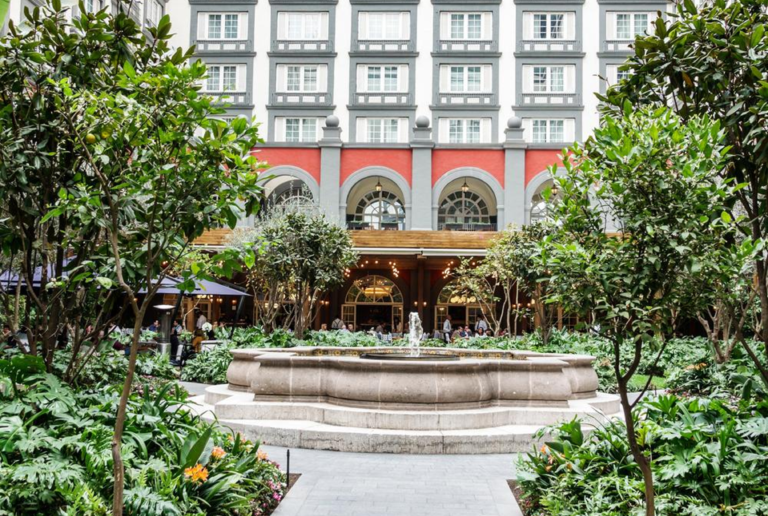
A refined city retreat featuring a hacienda-inspired courtyard, landscaped spaces and upscale hospitality.
Stay here for: HA peaceful luxury base close to major city attractions.
Hyatt Regency Mexico City
Located in Polanco, this hotel is a convenient option for travellers interested in museums, shopping, restaurants and green spaces.
Stay here for: Comfortable accommodation, dining options and an upscale neighbourhood.
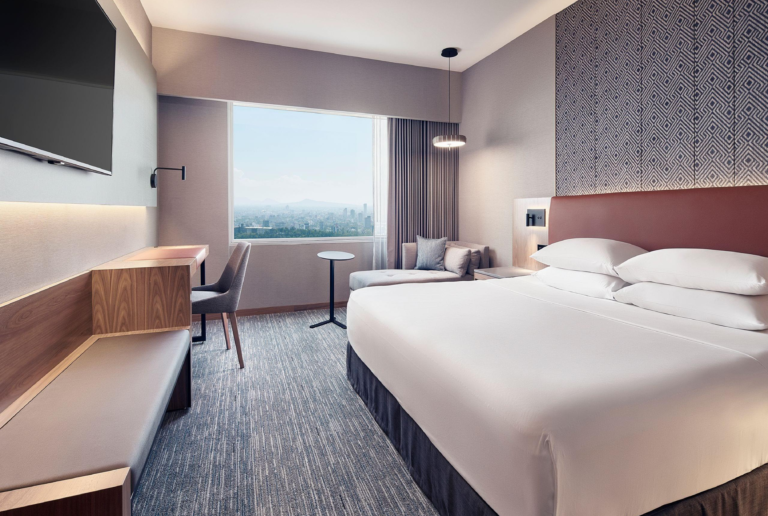
Hotel rates, room types and availability change by season. Compare the dates and cancellation policies before booking. These examples focus on Mexico City; Oaxaca, Mérida and Bacalar are worth considering for other types of trips.
which are should you choose?
Mexico City — Roma Norte or Condesa: Independent cafés, restaurants, galleries and leafy streets.
Mexico City — Centro Histórico: Historic architecture, museums and central landmarks.
Oaxaca City — Historic centre: Traditional food, markets, crafts and colonial architecture.
Merida — Historic centre: Yucatecan food, cultural attractions and access to Maya heritage.
Bacalar — Lagoon area: Relaxed stays, kayaking and nature-focused experiences.
Tulum — Town or beach area: Choose between a more practical town base and a beach-focused stay check transport and property location before booking.
Mexico is a large country, so it’s better to select two or three regions than to attempt every destination in one short trip.
mexican traditional clothing and textiles
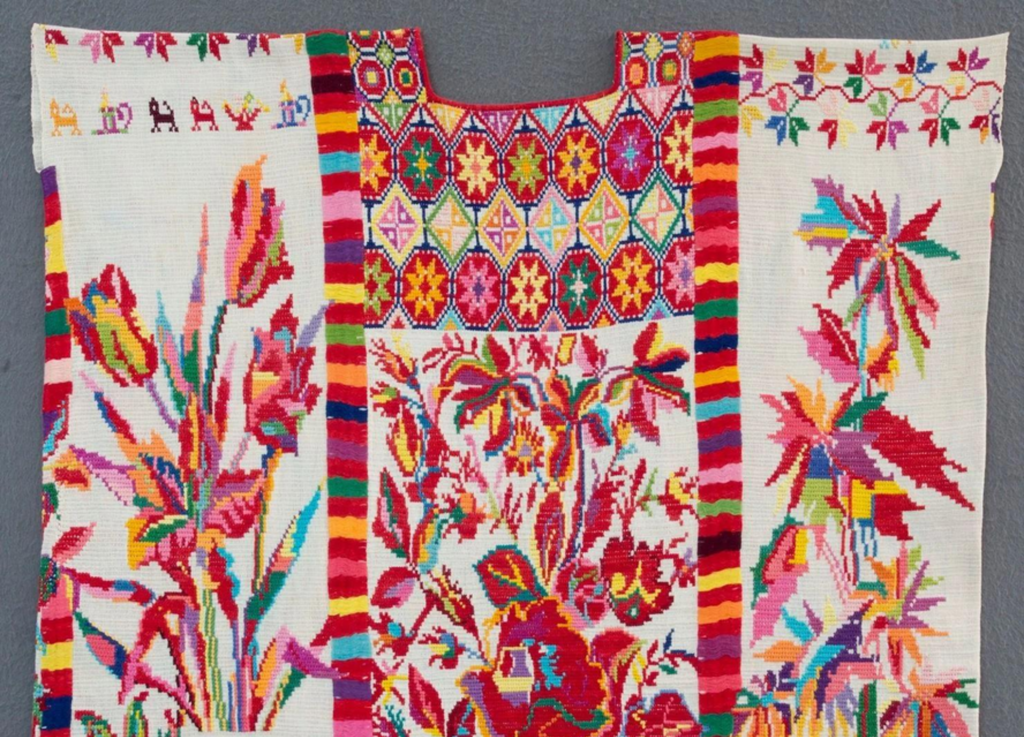
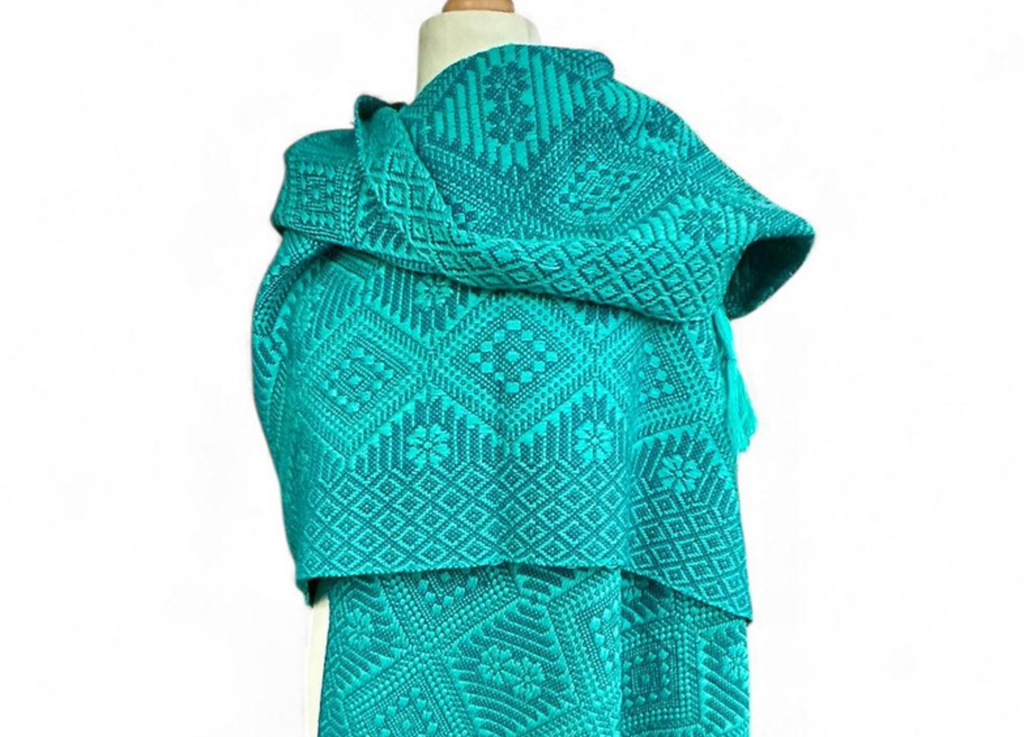

Mexico’s traditional clothing reflects the country’s Indigenous communities, regional identities and centuries of textile craftsmanship. Clothing varies widely by region, and there is no single outfit that represents every Mexican community.
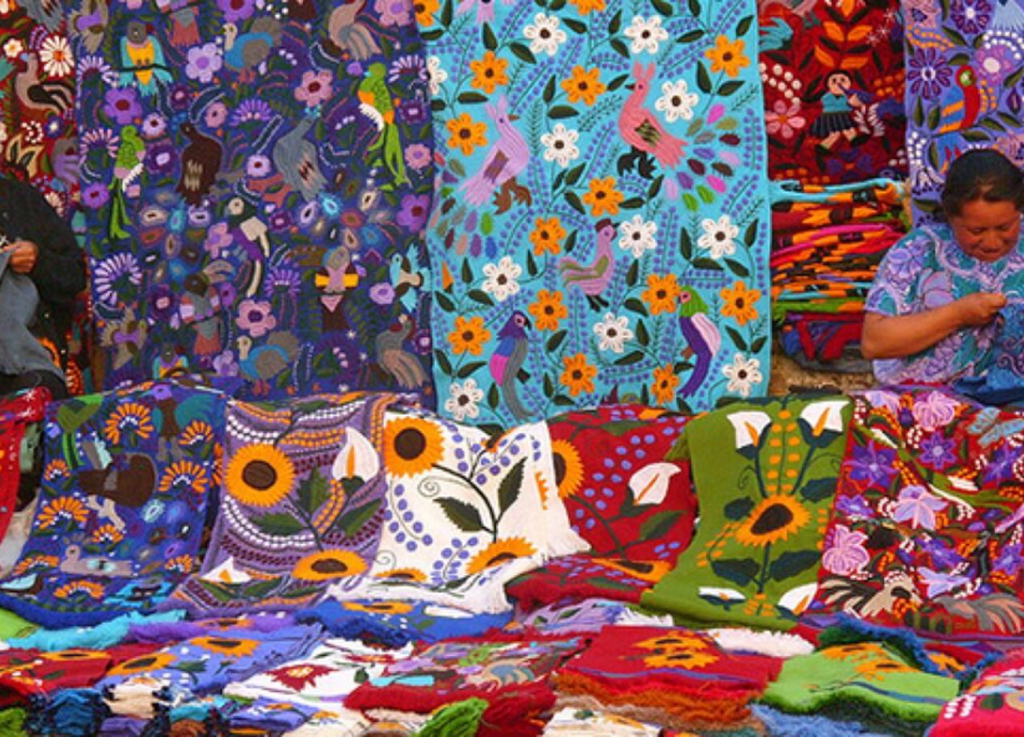
Woven Textiles
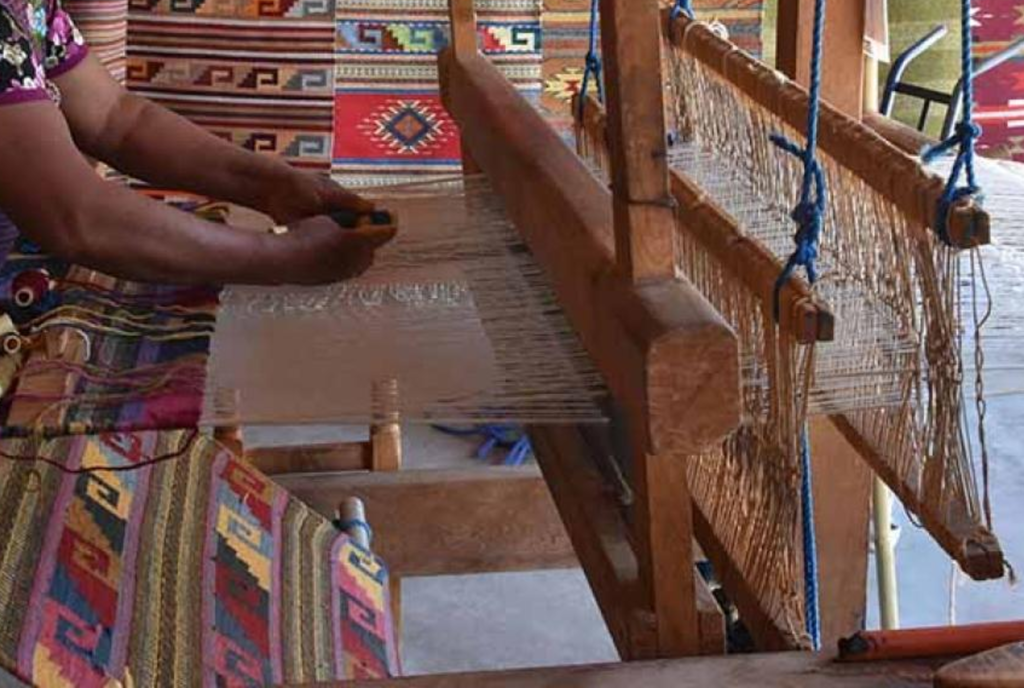
Oaxaca and other regions are known for distinctive weaving, embroidery and natural-dye traditions. Textiles often reflect local motifs and techniques passed down through generations.
Huipil
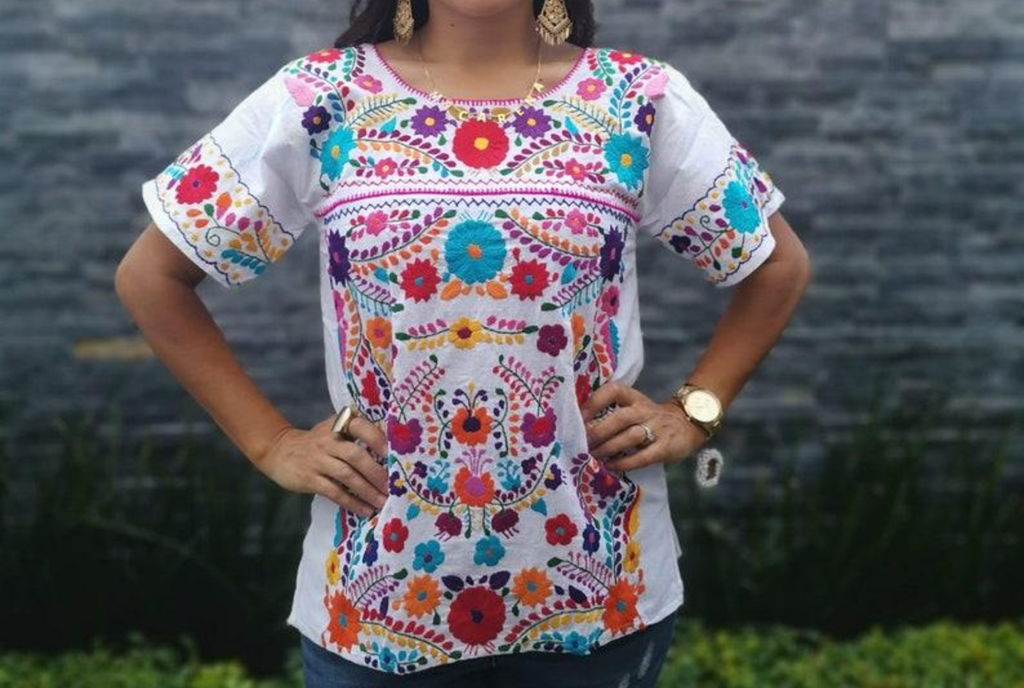
A traditional tunic-like garment worn by women in several Indigenous communities. Designs, embroidery and weaving techniques differ across regions.
Charro Suit
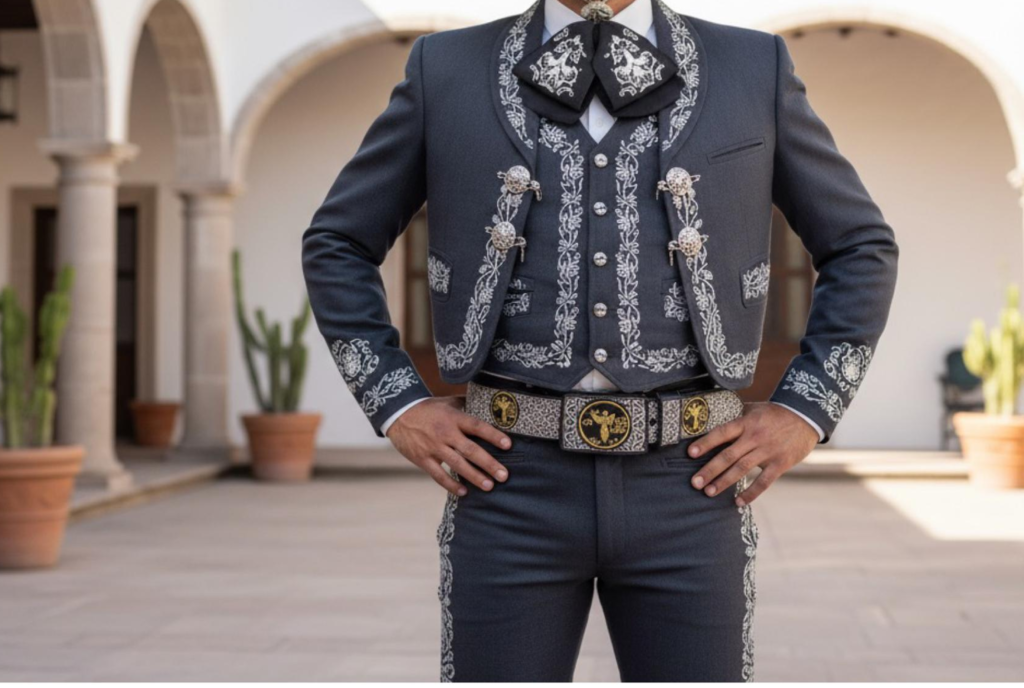
An elaborately decorated outfit associated with Mexican equestrian traditions and the performance culture of mariachi musicians.
Rebozo
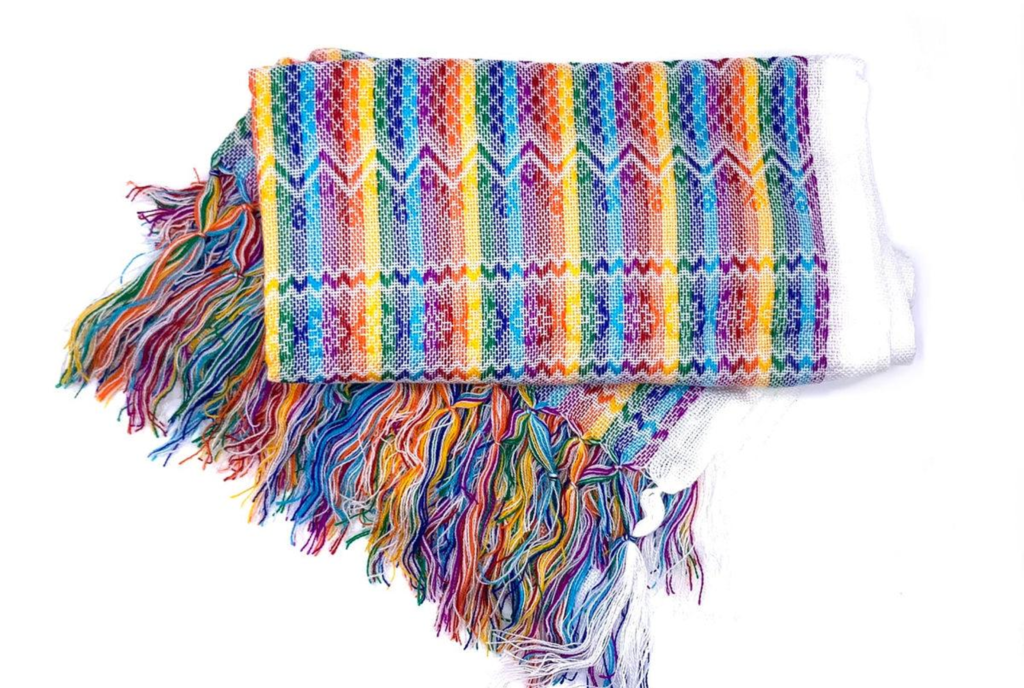
A versatile woven shawl used for warmth, carrying items and styling. Rebozos are associated with different regional weaving traditions.
What should you wear in Mexico?
Hot coastal regions: Breathable clothing, comfortable sandals and sun protection.
Mexico City: Light layers; evenings can be cool because of the city’s elevation.
Mountain towns: A warm jacket and comfortable walking shoes.
Rainy season: A light rain jacket and footwear suitable for wet streets.
When visiting Indigenous communities or religious sites, dress respectfully and ask permission before photographing people or ceremonial clothing.
mexican traditional clothing and culture you should know about
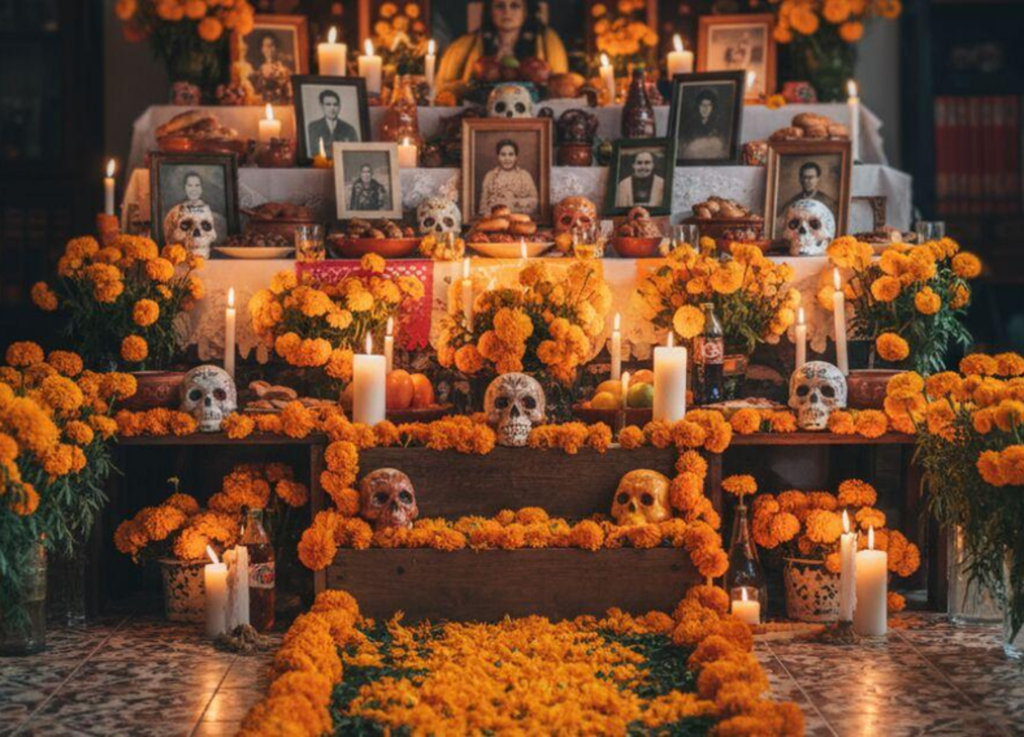
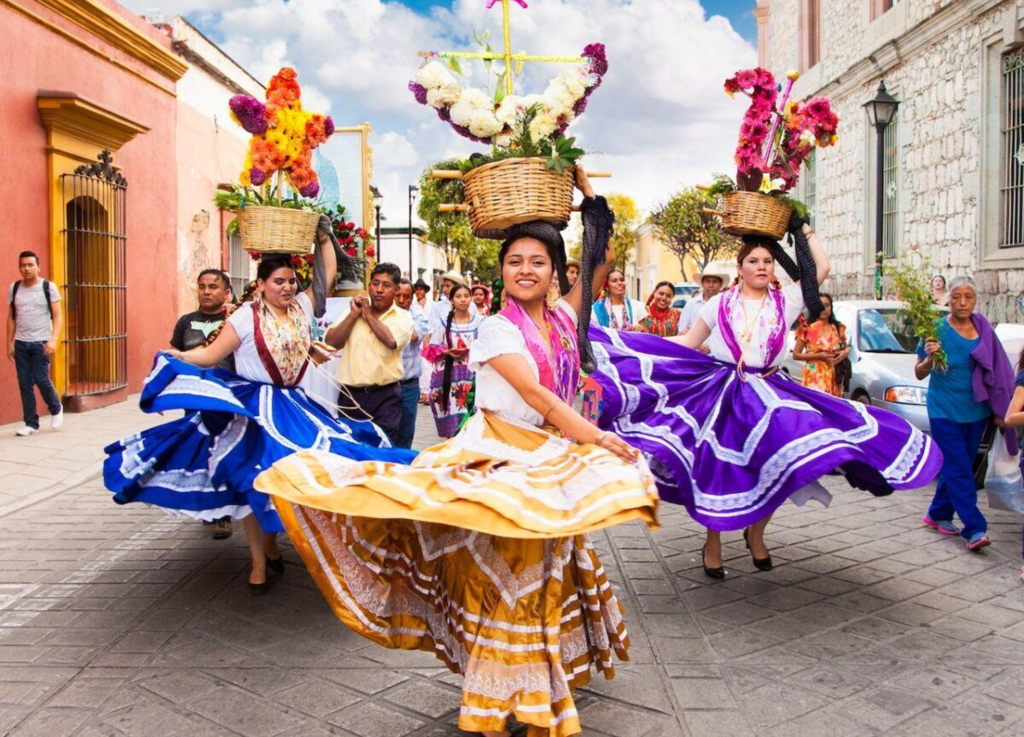
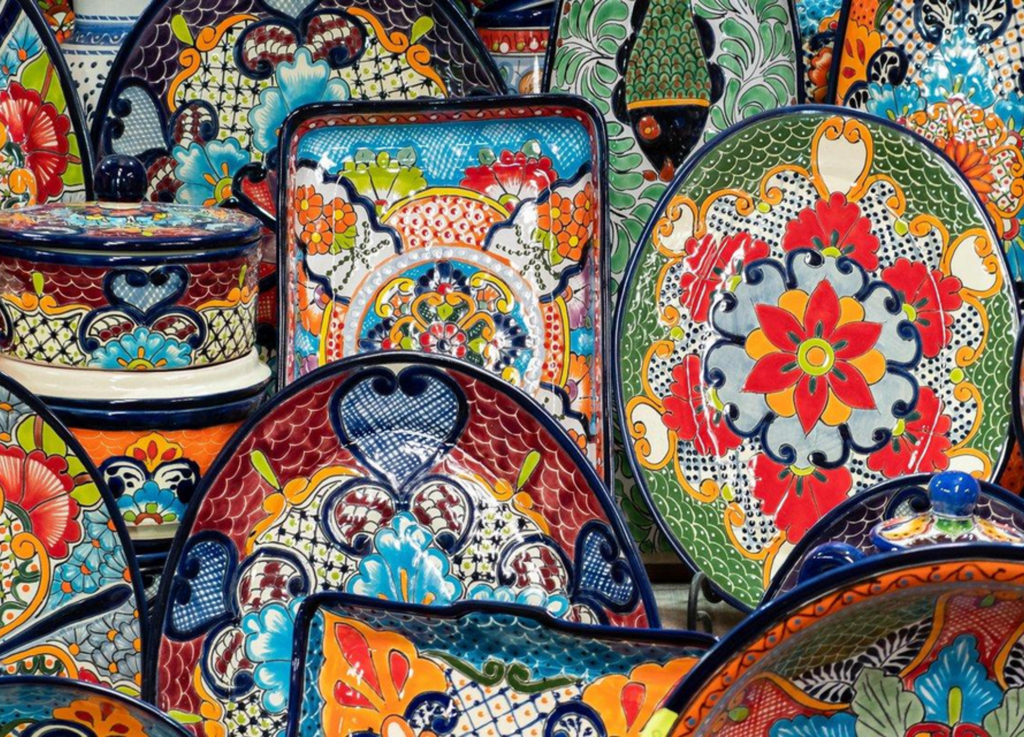
Mexico’s cultural heritage brings together Indigenous traditions, regional customs, music, crafts, food and religious celebrations.
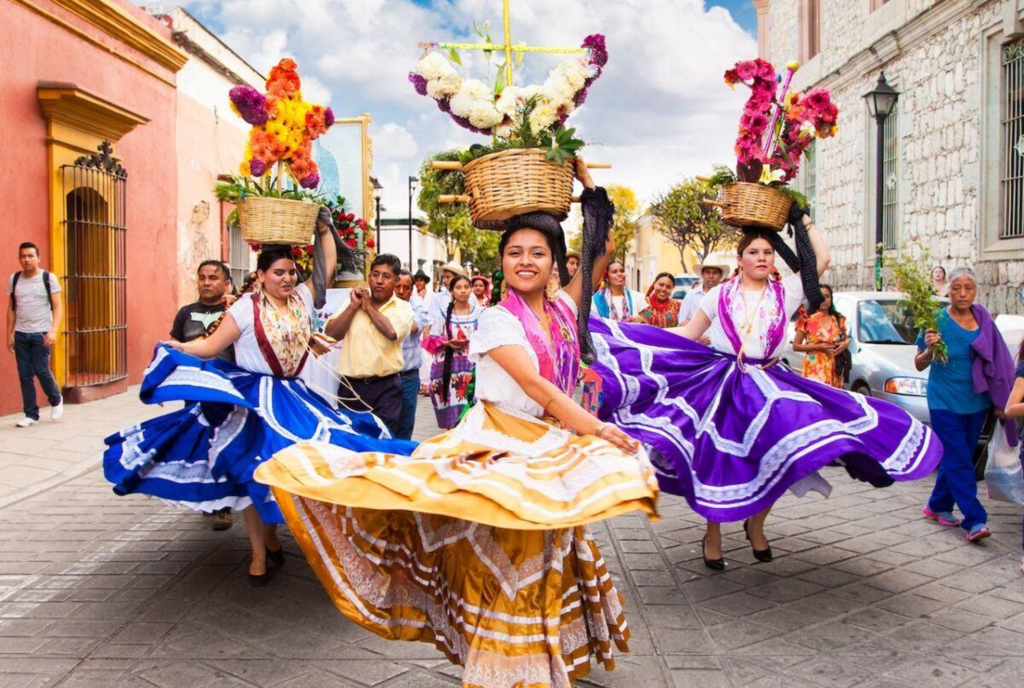
Guelaguetza and Regional Dance
Oaxaca’s Guelaguetza celebration showcases regional dances, music, traditional dress and community identities from across the state.
Mariachi Music
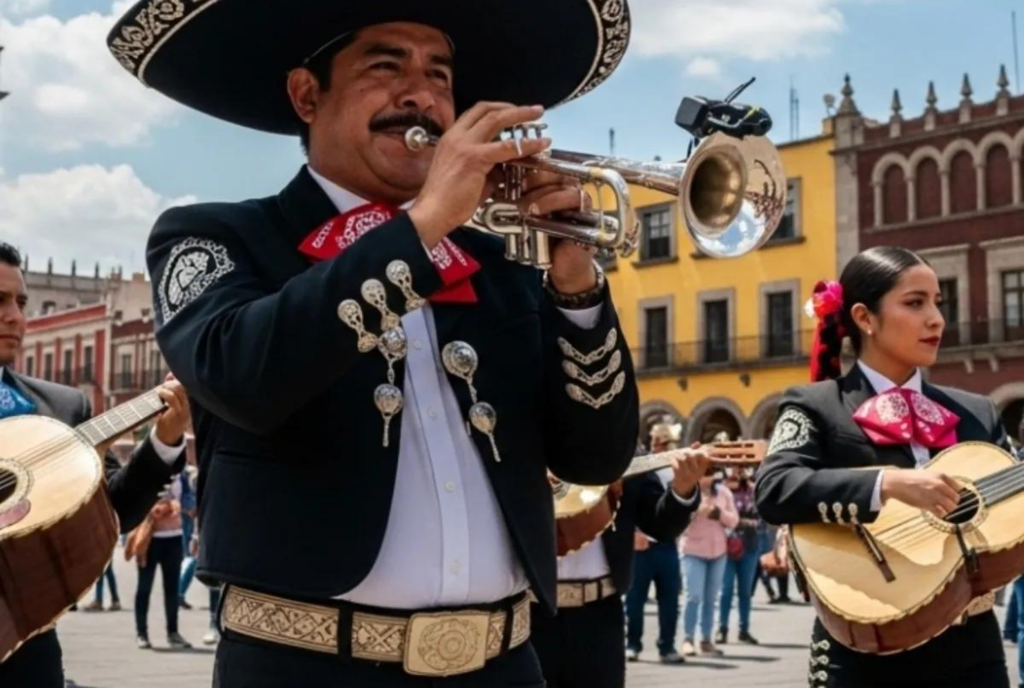
Mariachi is one of Mexico’s most recognisable musical traditions, featuring ensembles with string instruments, trumpets and distinctive performance attire.
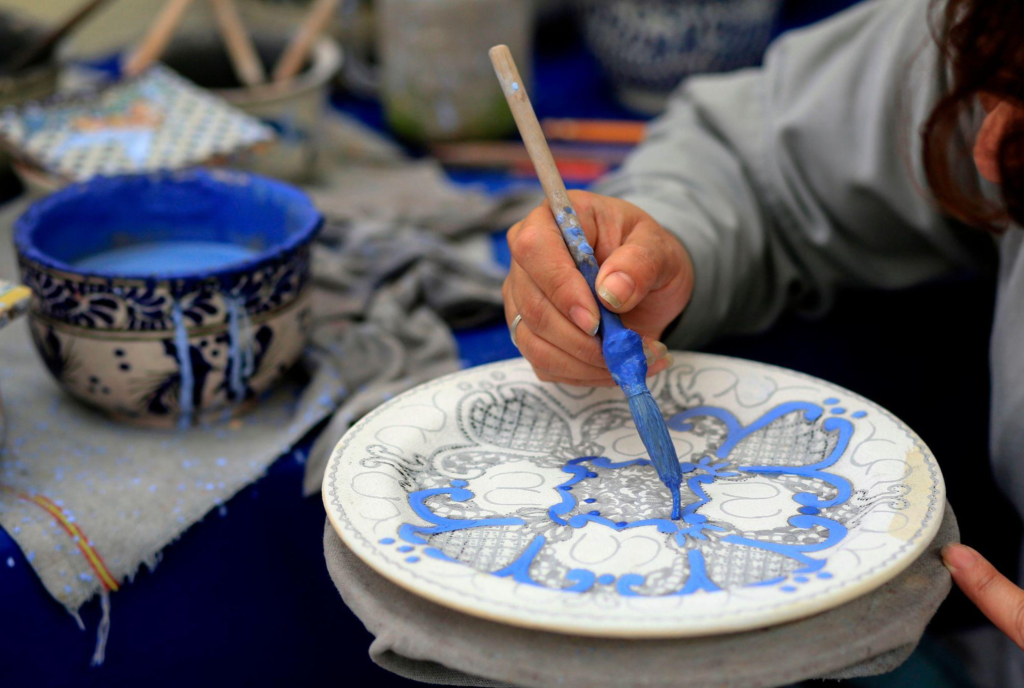
talavera pottery and handicrafts
Puebla is particularly known for Talavera ceramics, while different Mexican regions preserve distinctive pottery, weaving, carving and textile traditions
Festivals worth planning around
Dia de Muertos: Early November, with celebrations varying by location.
Guelaguetza: A major cultural celebration in Oaxaca, usually held in July.
Carnival: Dates and customs vary by city and region.
Independence Day: September 16, marked by patriotic celebrations across the country
Check local calendars before booking because festival dates, events and accommodation demand vary.
what to buy in mexico: Souvenirs worth bringing home
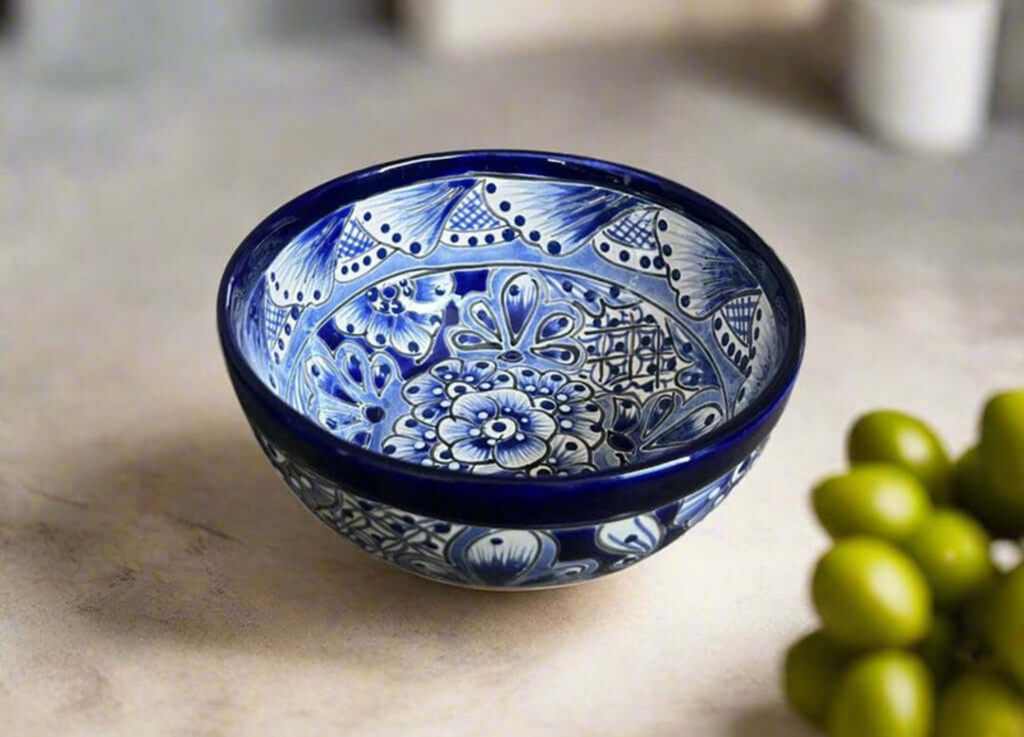

Talavera pottery: Hand-painted ceramics associated with Puebla.
Oaxacan textiles: Woven rugs, embroidered garments and colourful fabrics.
Silver jewellery: Explore the craftsmanship associated with places such as Taxco.
Alebrijes: Colourful, fantastical animal figures particularly associated with Oaxacan folk art.
Mexican chocolate: Traditional chocolate products, especially from Oaxaca.
Local coffee: Beans from Mexican coffee-growing regions such as Chiapas and Veracruz.
best time to visit mexico
Nov–April (Drier Season in Many Regions)
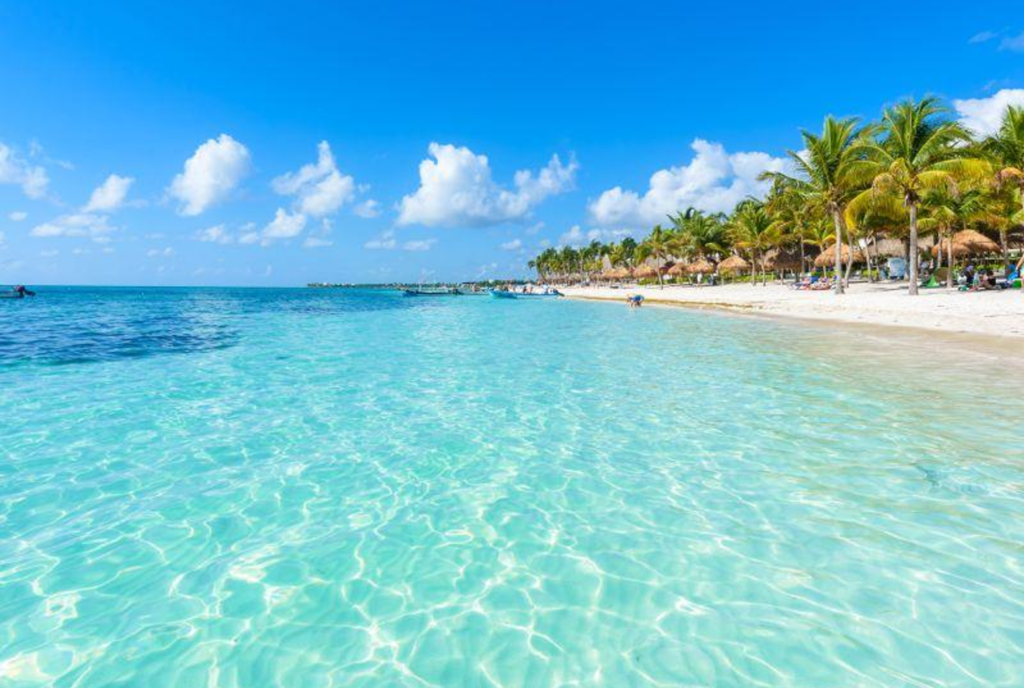
Often a good period for exploring cities, archaeological sites and coastal destinations. Popular areas can be busy and more expensive.
May–Oct (Rainier Season in Many Regions )
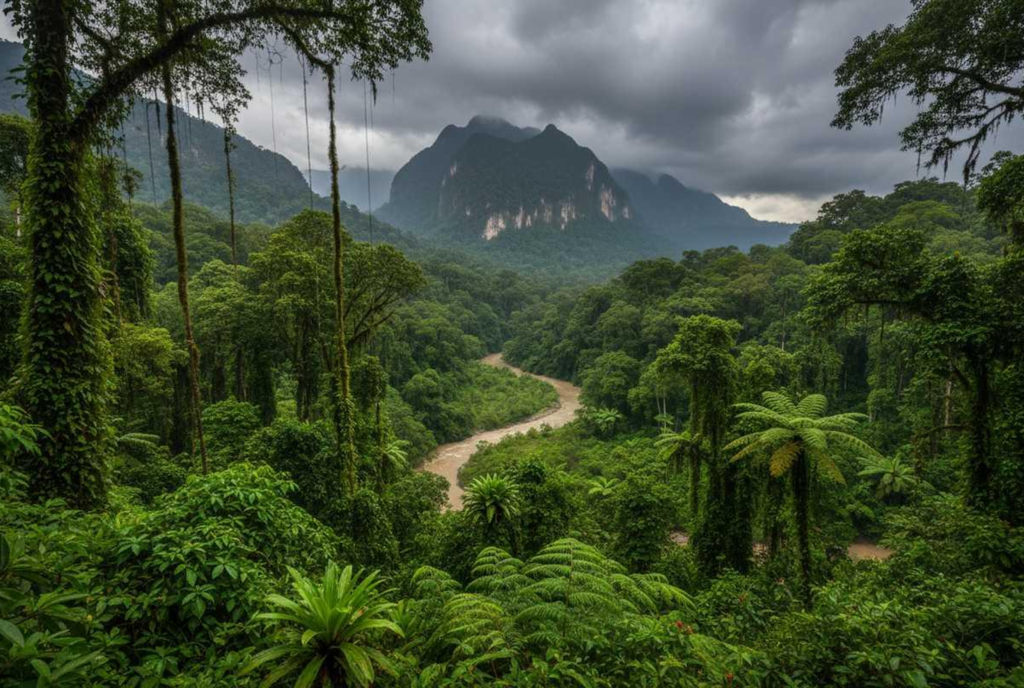
Some landscapes become greener, but rainfall, humidity and storm risks vary considerably by region.
Late Oct–Early Nov (Cultural Experiences)
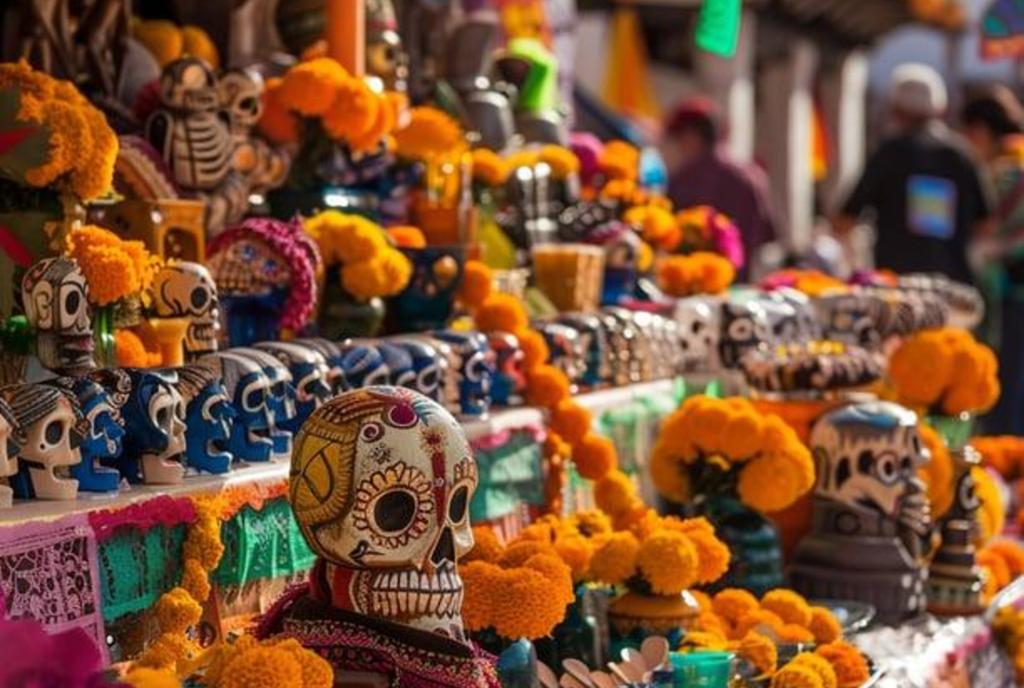
A special time to explore Día de Muertos traditions. Book accommodation early in popular celebration destinations.
Mexico has several climate zones, and hurricane season affects coastal planning. Check regional forecasts and official travel advice before departure.
responsible travel tips for mexico
Respect Indigenous communities, cultural traditions and religious sites.
Choose licensed guides for archaeological sites and nature excursions.
Avoid touching or removing objects from historic ruins.
Use reef-safe practices and follow local rules when visiting cenotes and marine environments.
Check drinking-water guidance and food hygiene recommendations for each destination.
Use reputable transport providers, and research neighbourhoods before booking accommodation.
Support local restaurants, independent cafés and artisans where possible.
Check local calendars before booking because festival dates, events and accommodation demand vary.
Final thoughts: Experience Mexico beyond the ordinary
Mexico is more than a destination for beach holidays. It is a country of ancient civilisations, colourful towns, lively cafés, regional cuisines and living cultural traditions.
From exploring Guanajuato’s winding streets and Bacalar’s turquoise lagoon to tasting mole in Puebla, drinking specialty coffee in Mexico City and discovering Oaxaca’s traditional crafts, every region offers a different reason to stay longer.
The best way to experience Mexico is to slow down, explore beyond the famous attractions and connect with the people, food and traditions that make each destination unique.